Lindsey DeWitt Prat, PhD

← Teaching

Religious Thought & Practice in Early Japan: Hōryūji and Tōdaiji

Kyushu University · Fall 2015
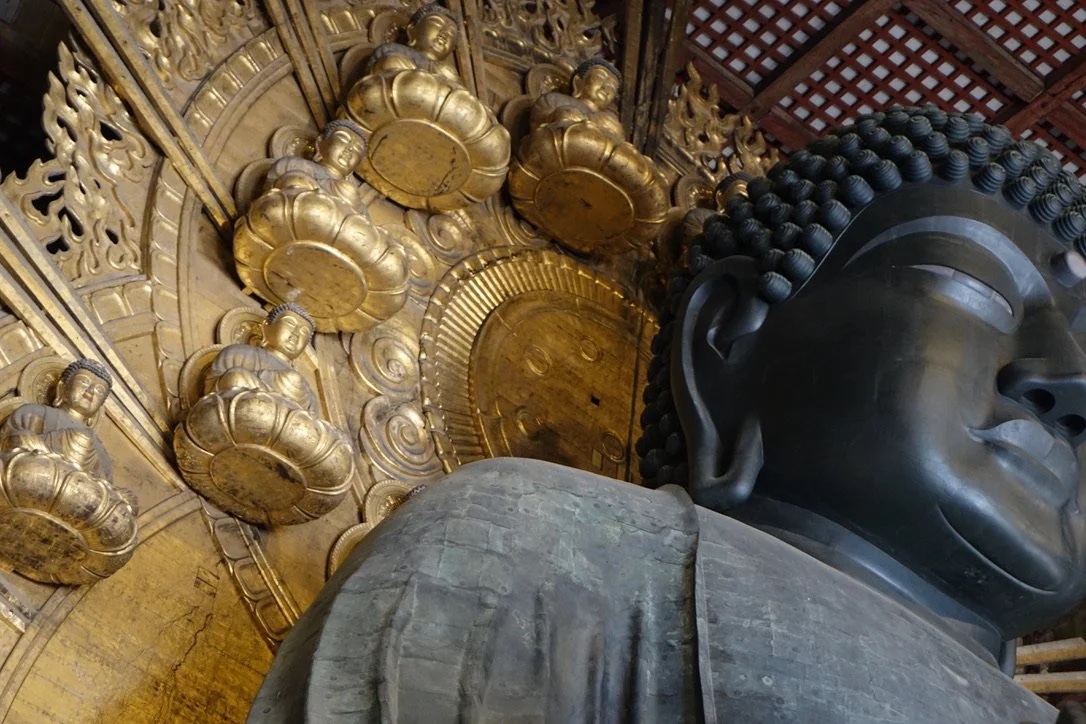
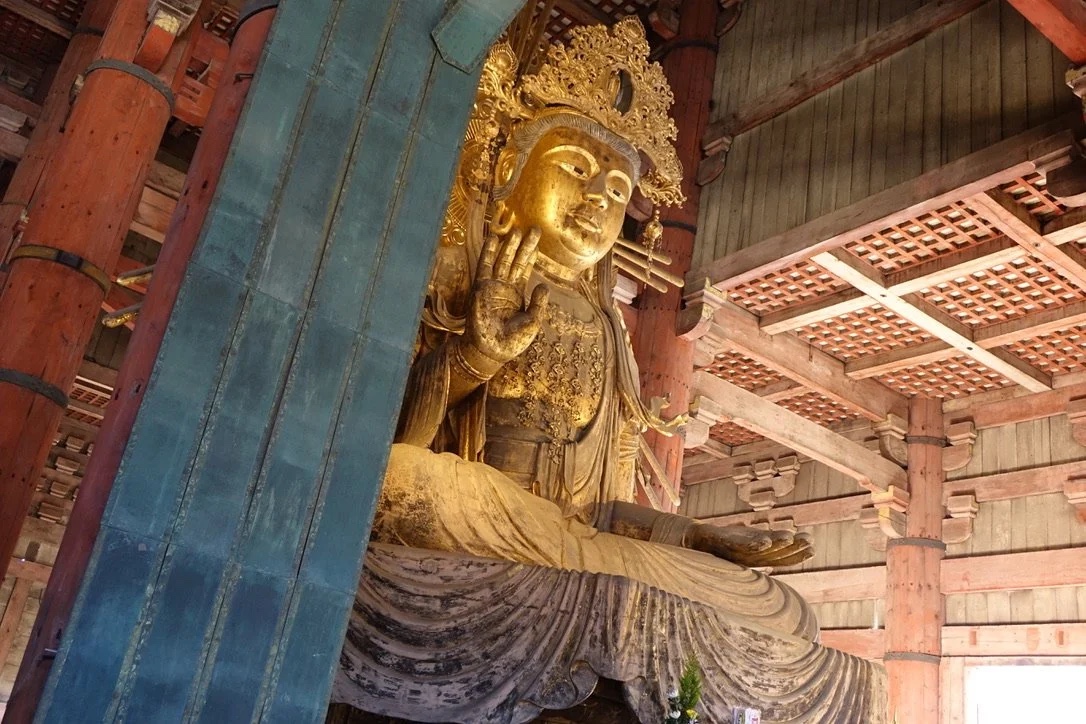
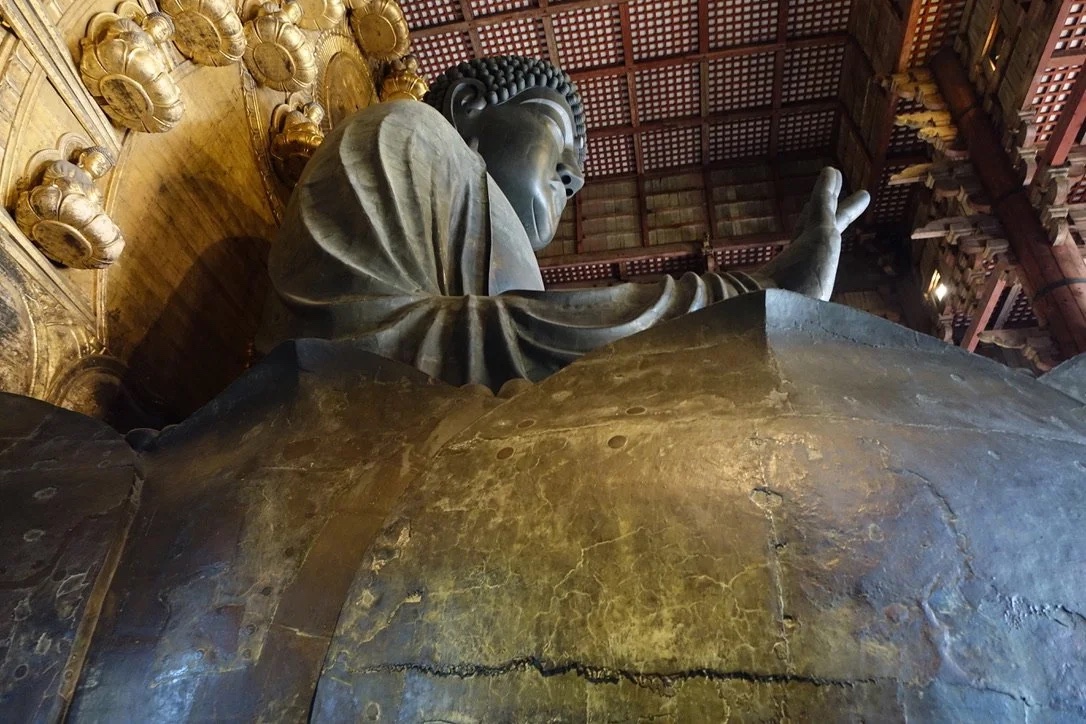
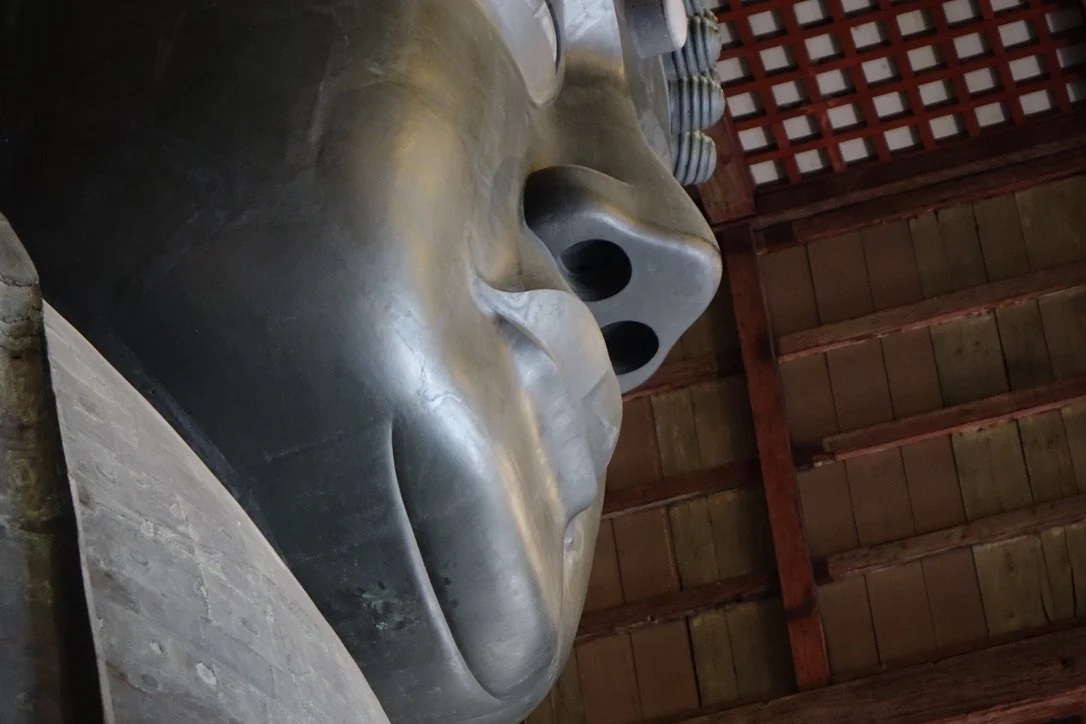
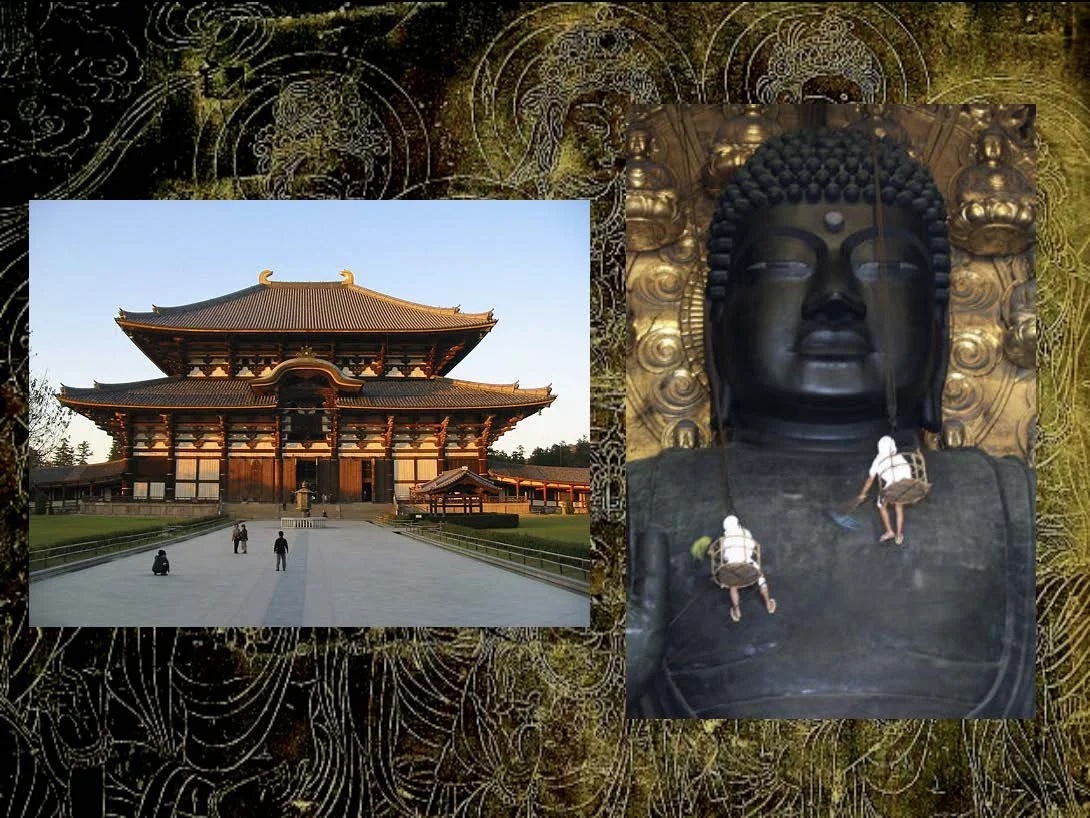
The Great Buddha of Tōdaiji from below, halo figures behind.

This master-level seminar formed one half of a “double feature” with Kyushu University art historian Cynthea Bogel’s “Icons and the Temple Context in Ancient Japan: Hōryūji and Tōdaiji.” The course(s) featured two different areas of specialization on the same general topic: Hōryūji and Tōdaiji monasteries and their cultural contexts.

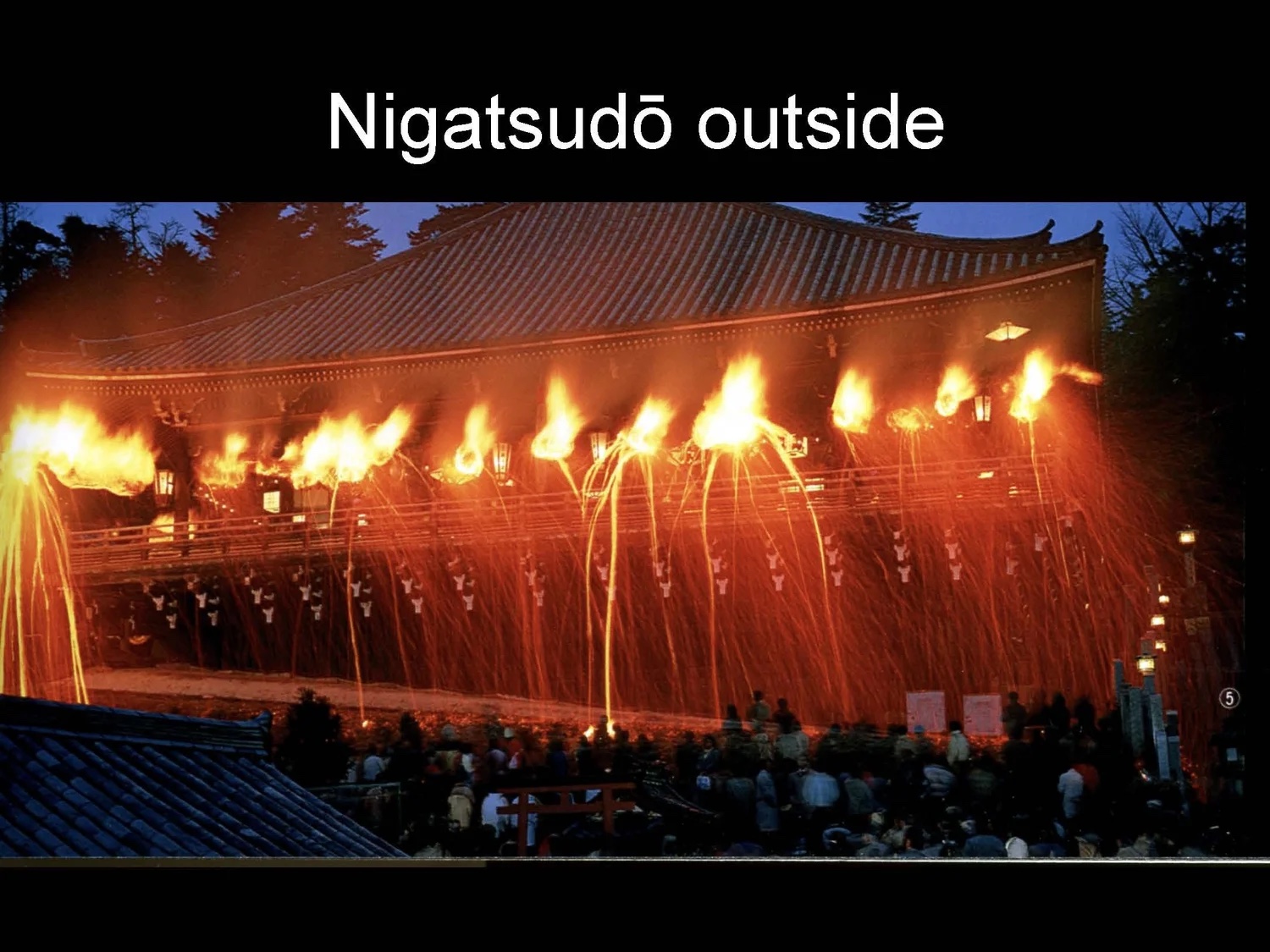
The full double-course syllabus is here. Below you’ll find a gallery of images from our special class session held on the pedestal of the Great Buddha and from the Omizutori fire festival at Tōdaiji’s subtemple the Nigatsudō. And you can check out slides from three of my class sessions further down still (scroll to the right).
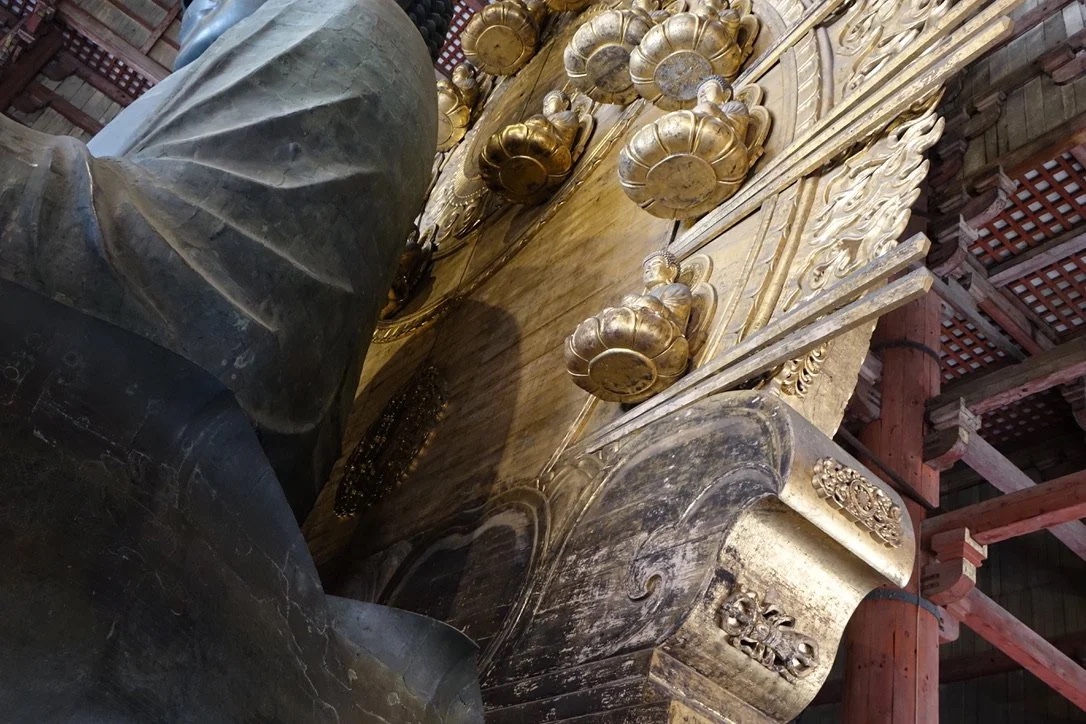
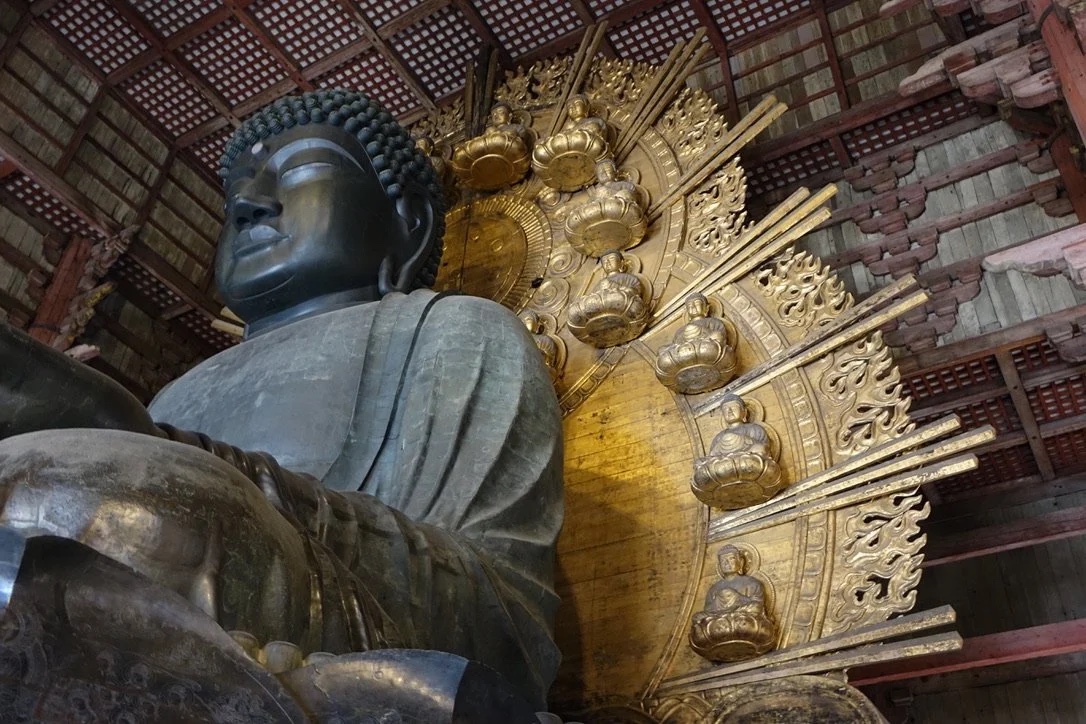
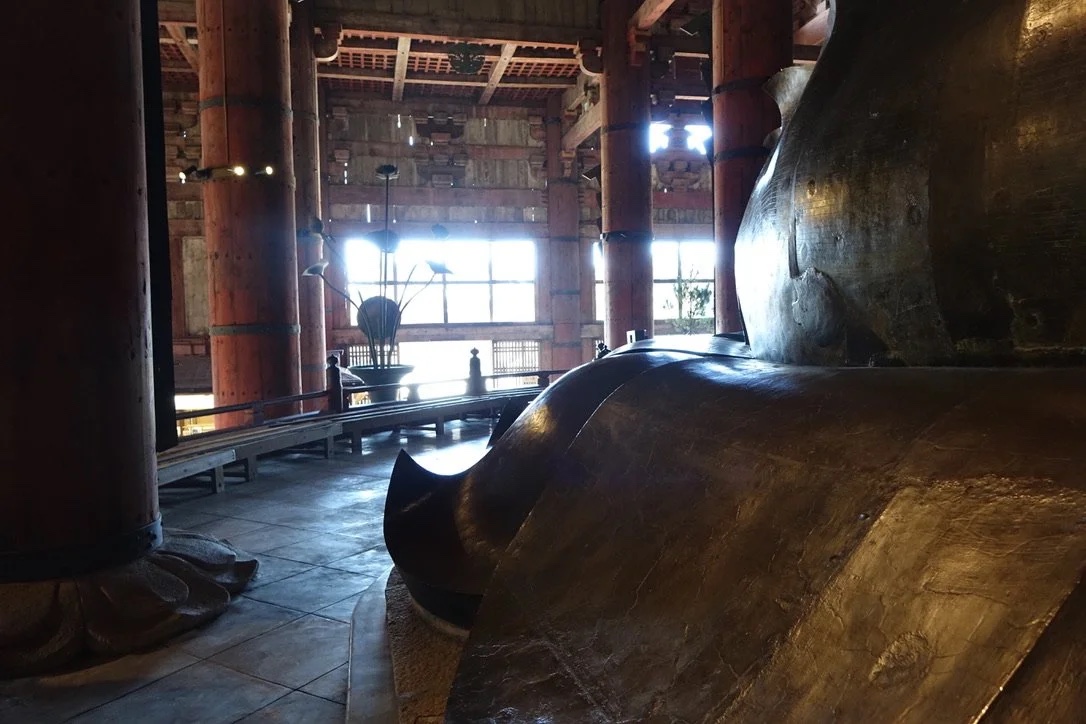
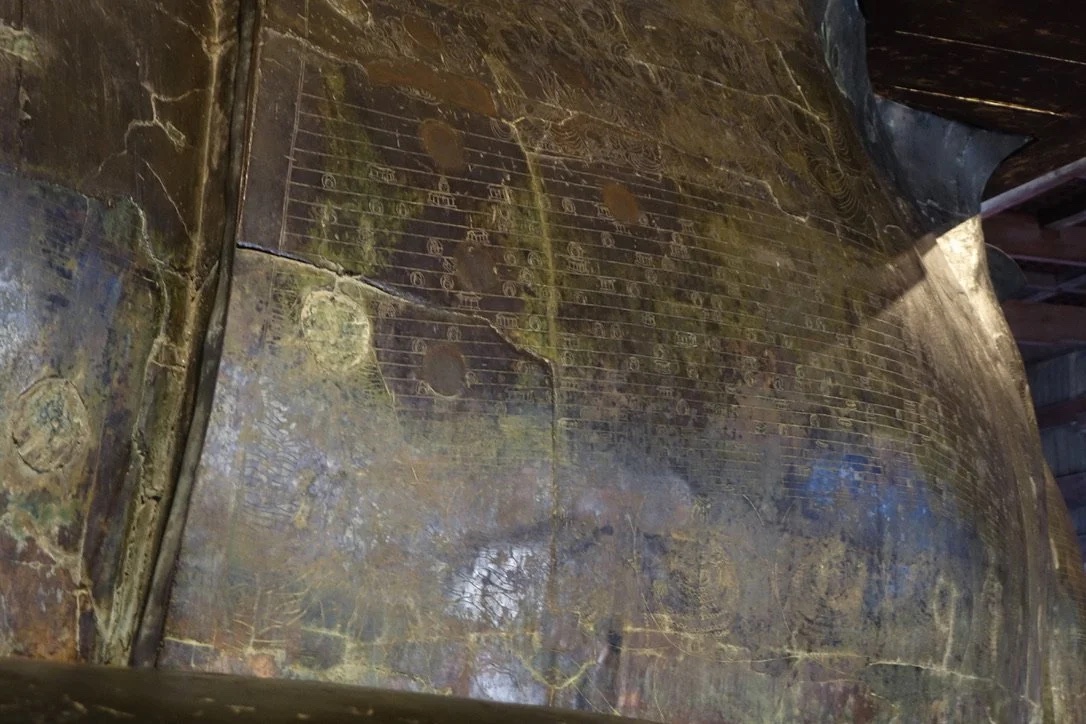
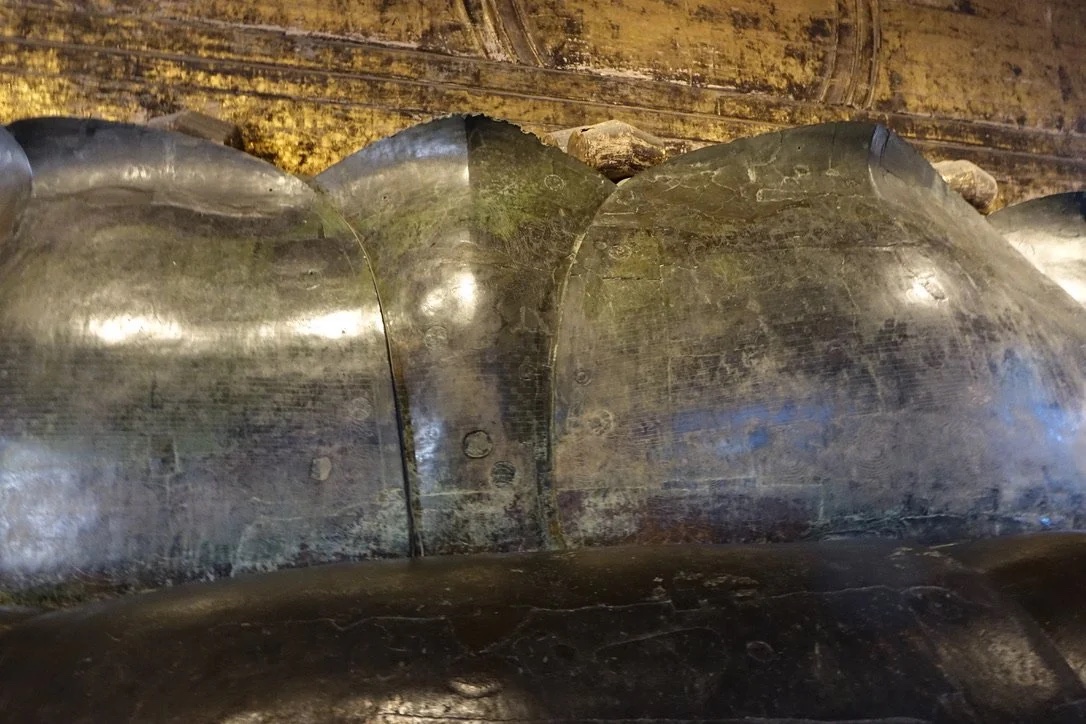
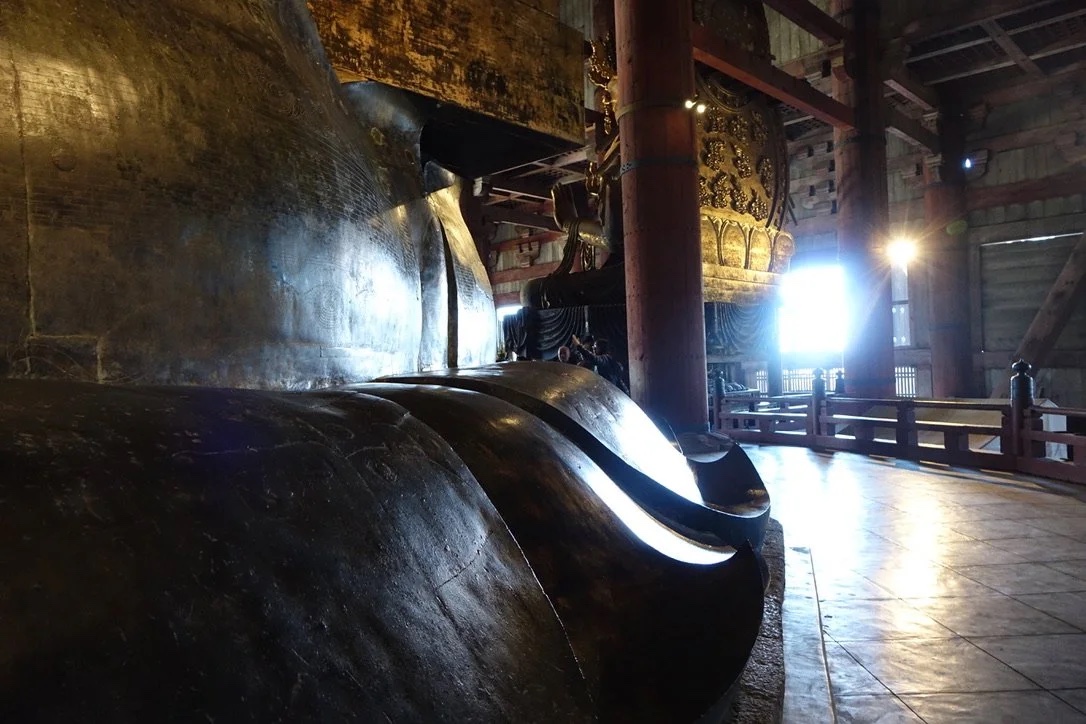
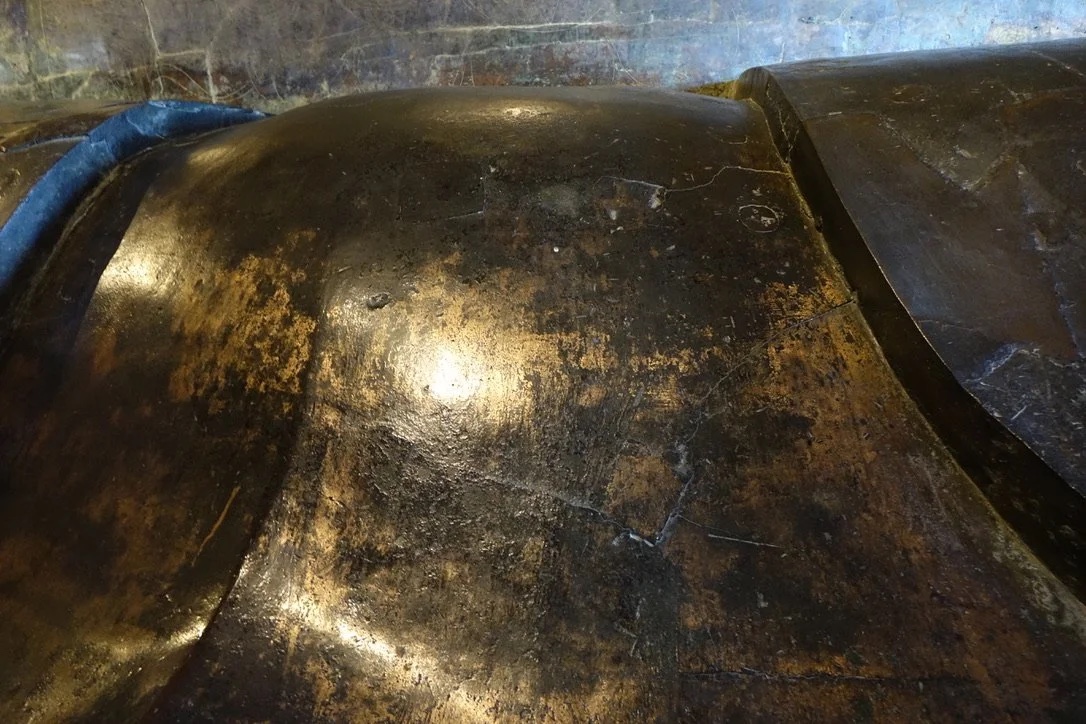
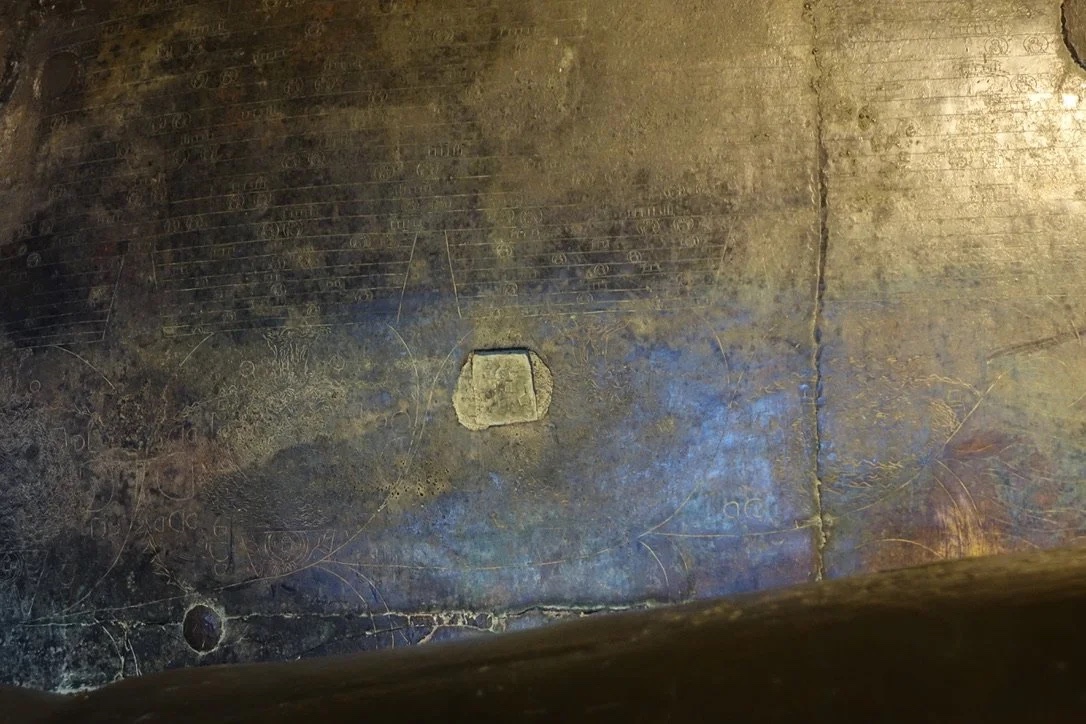
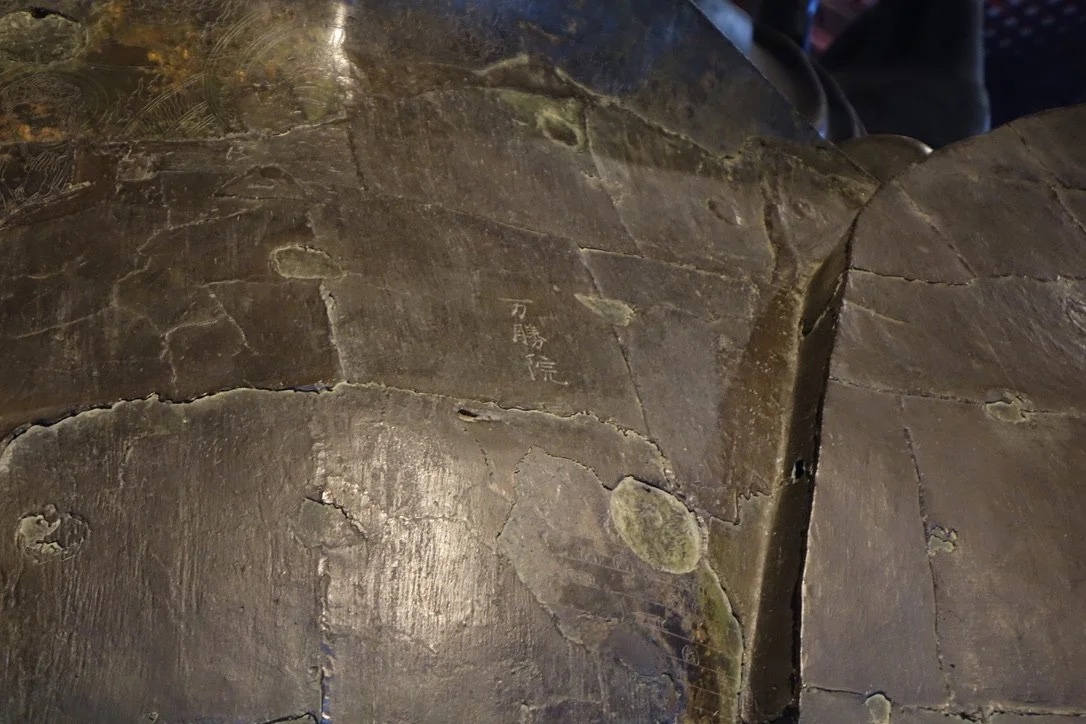
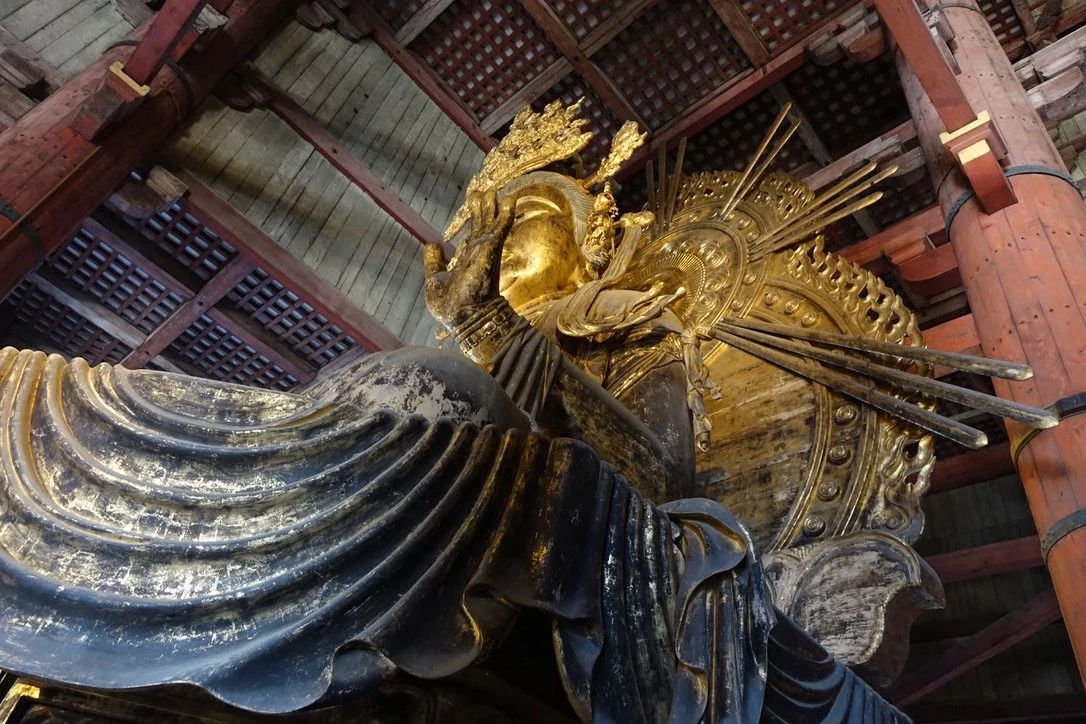
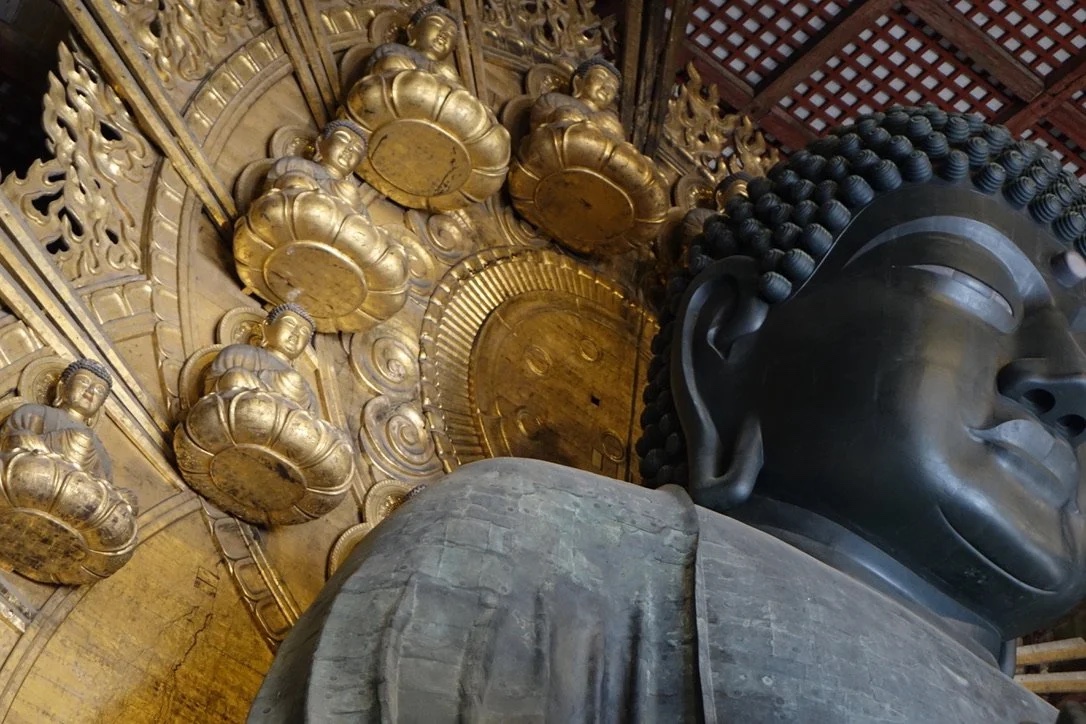
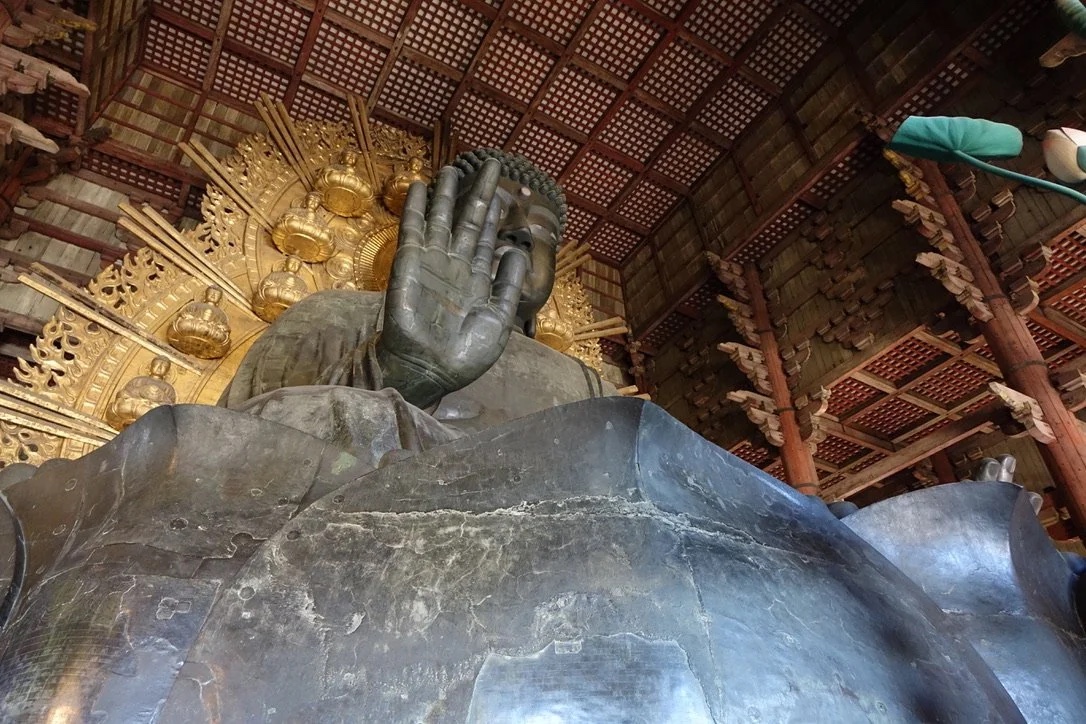
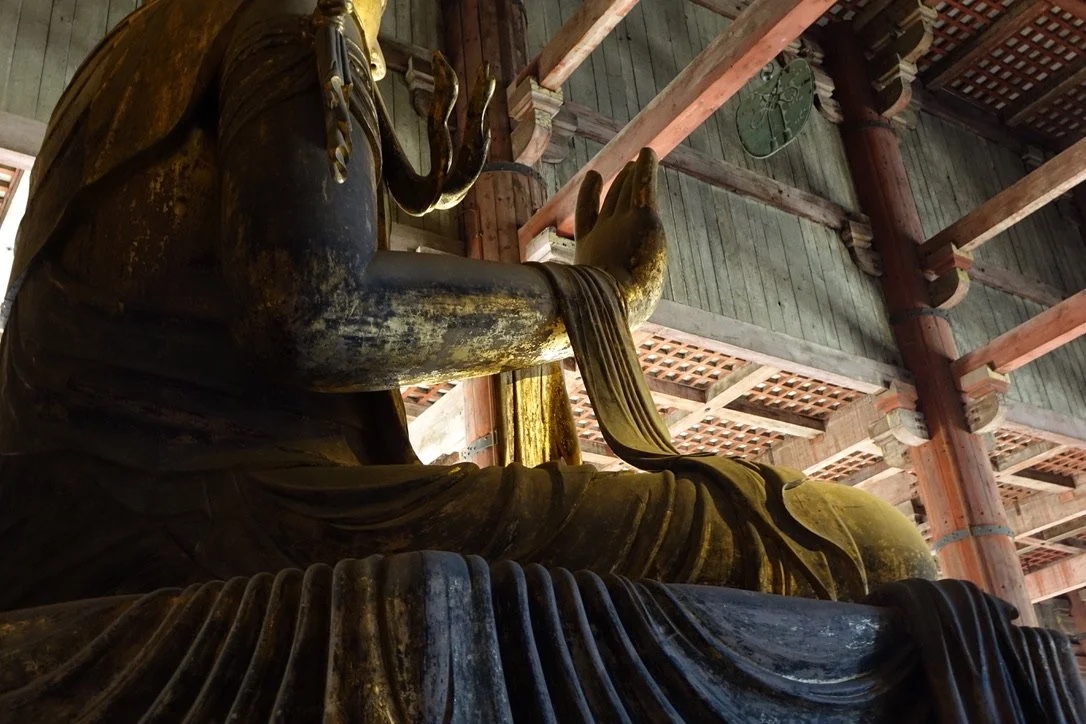
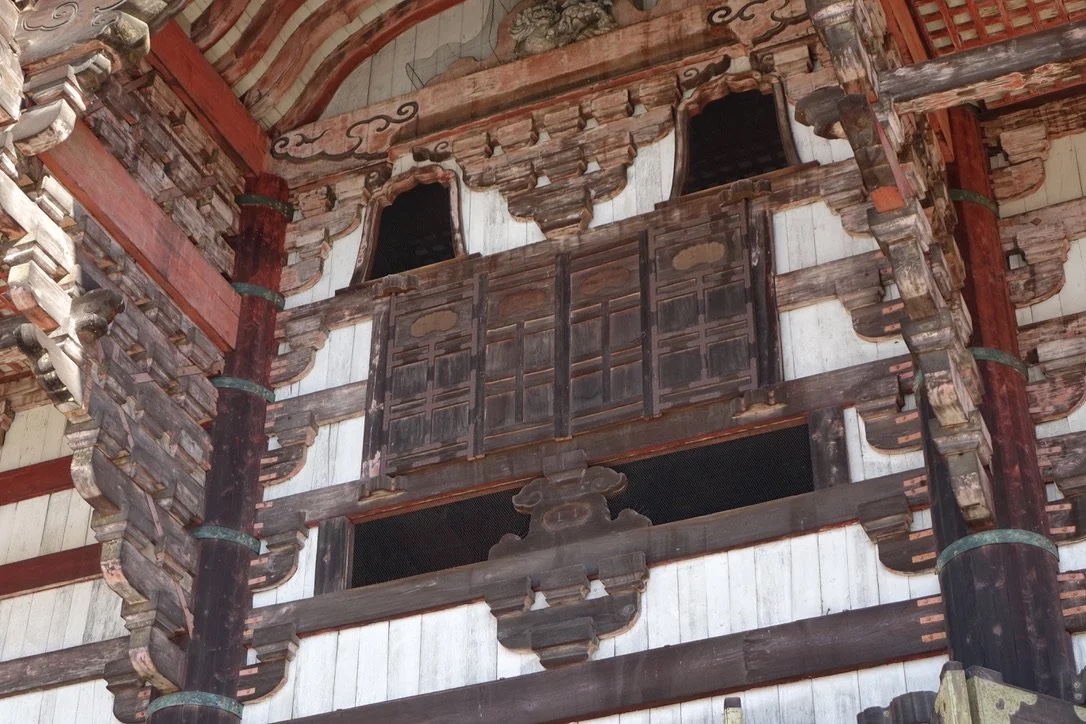
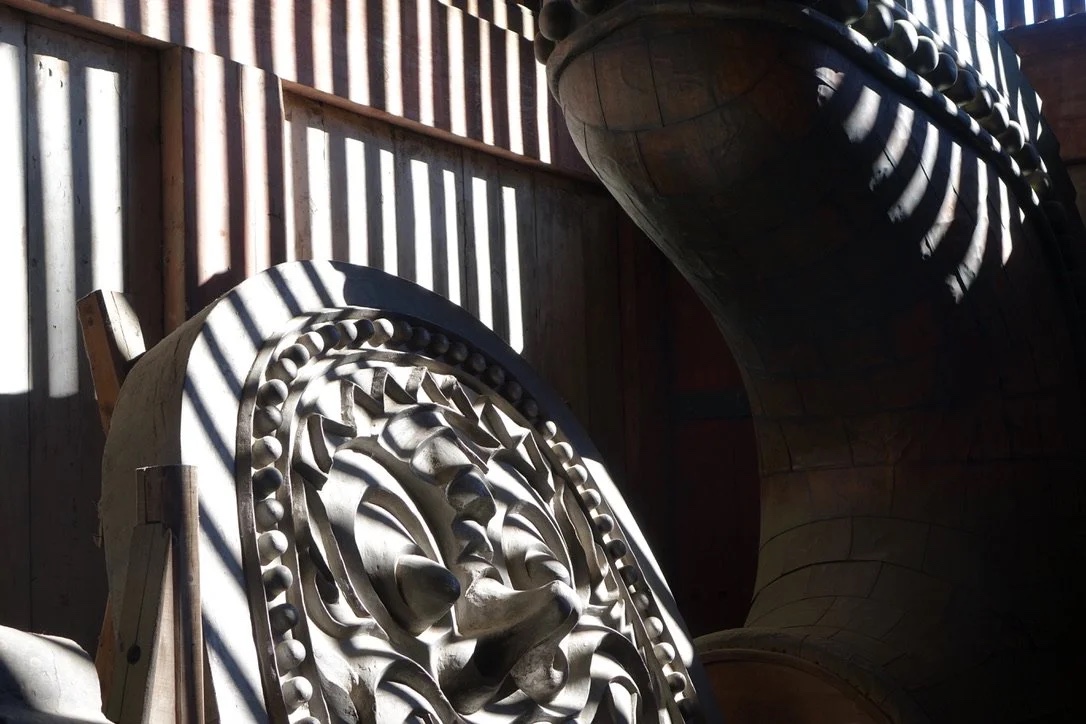
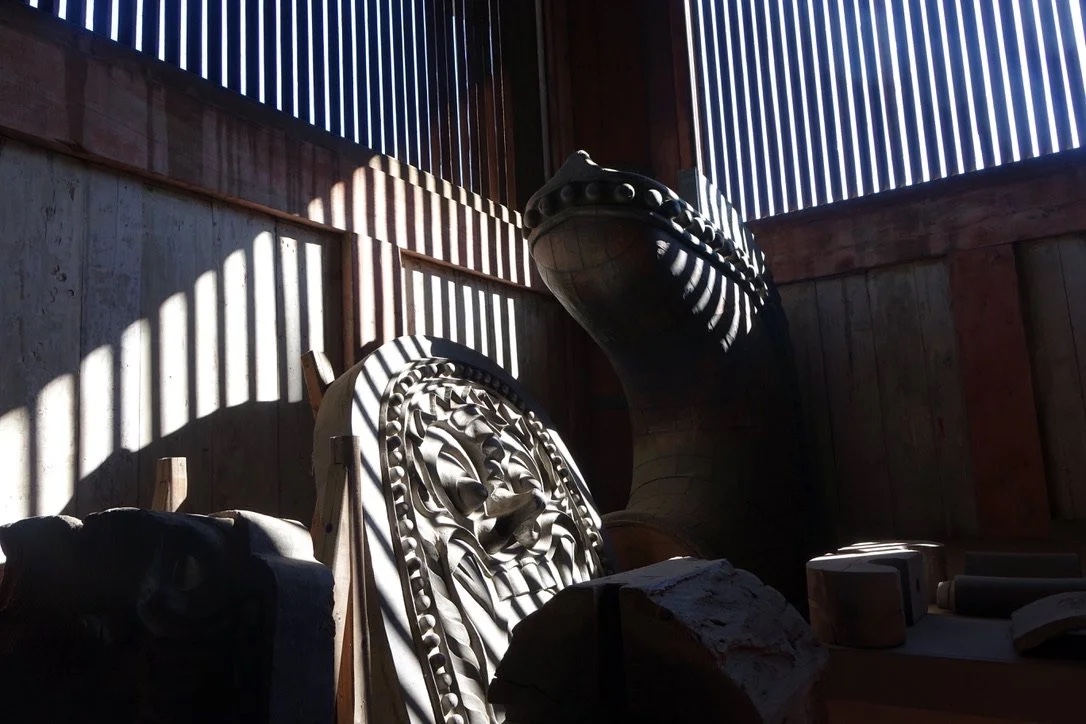
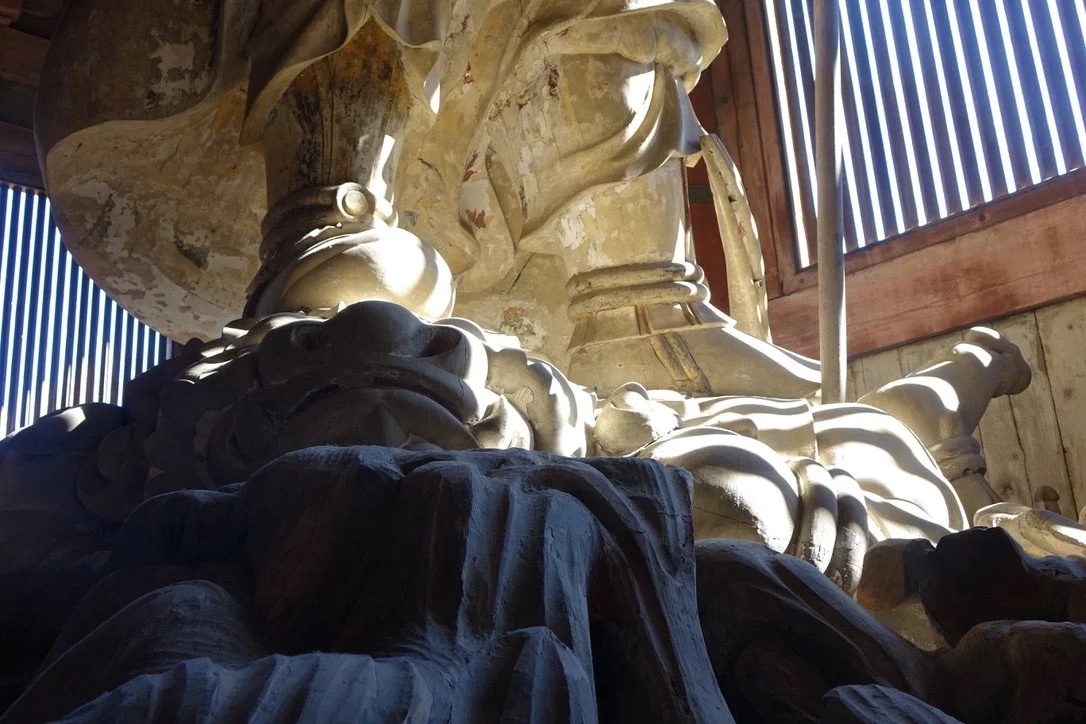
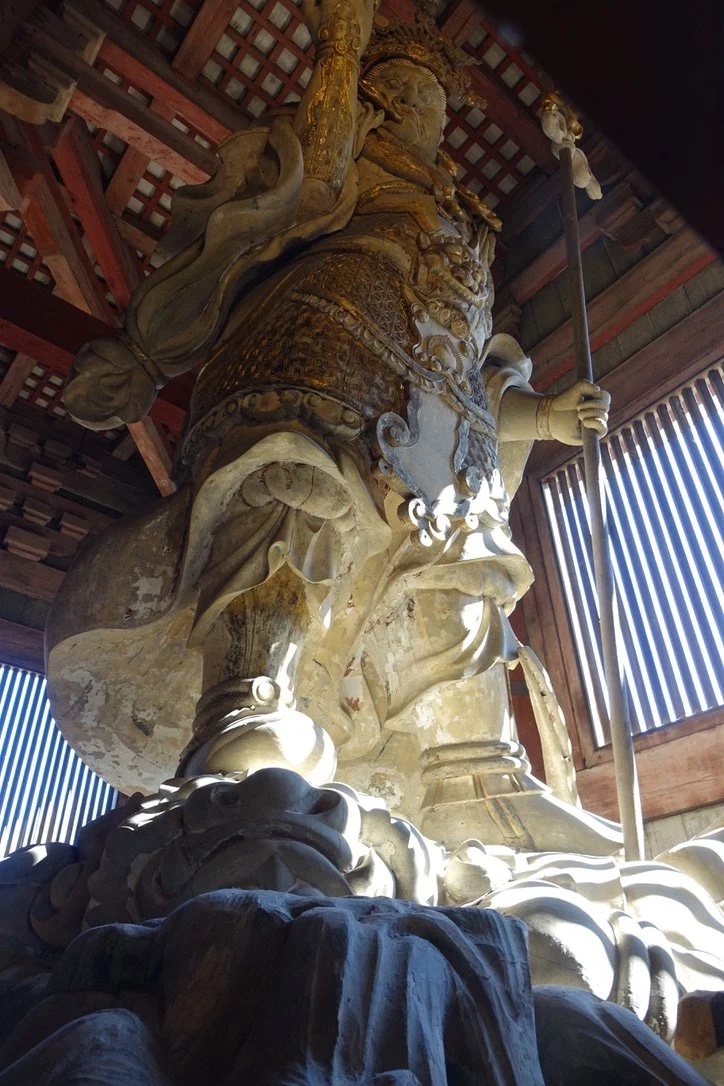
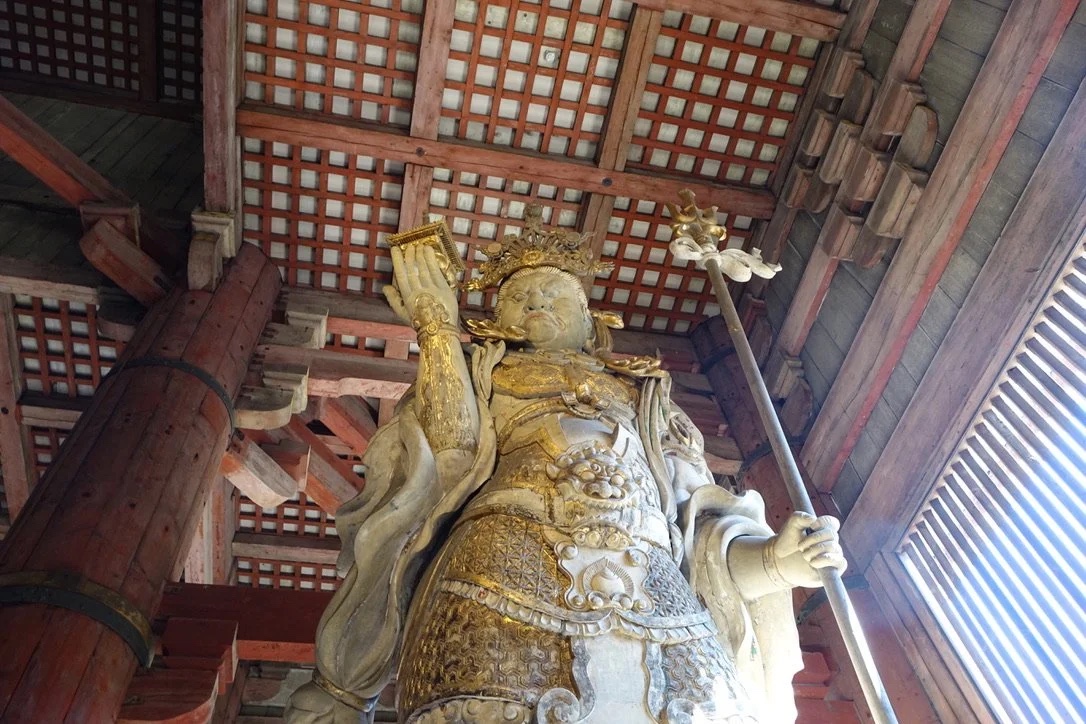
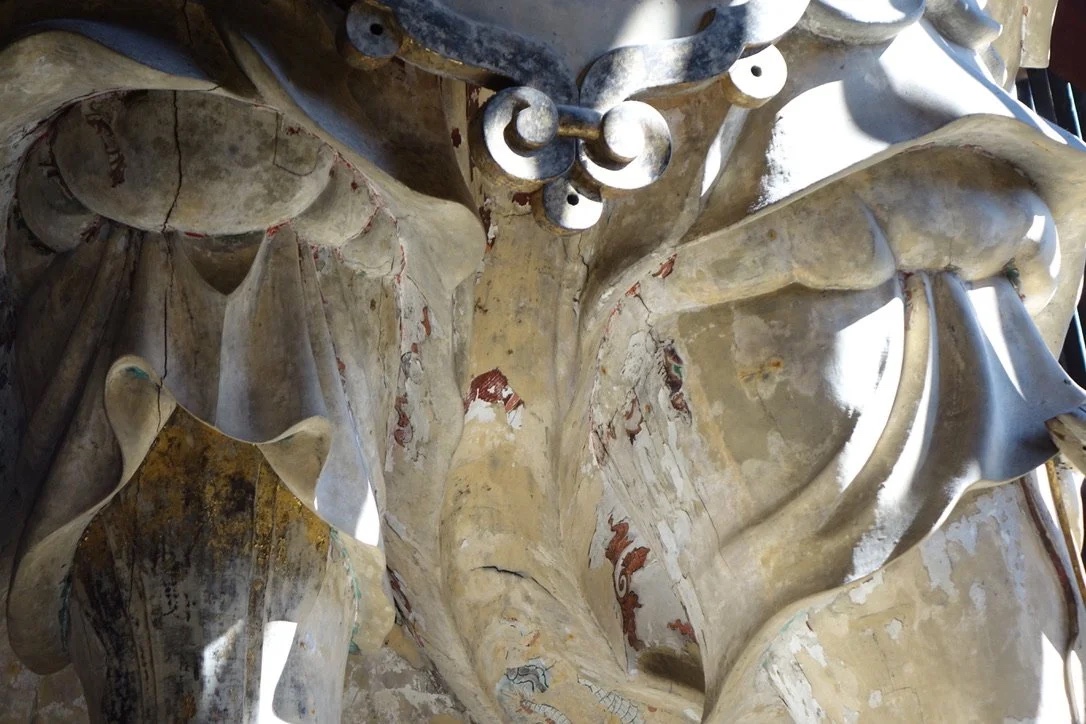
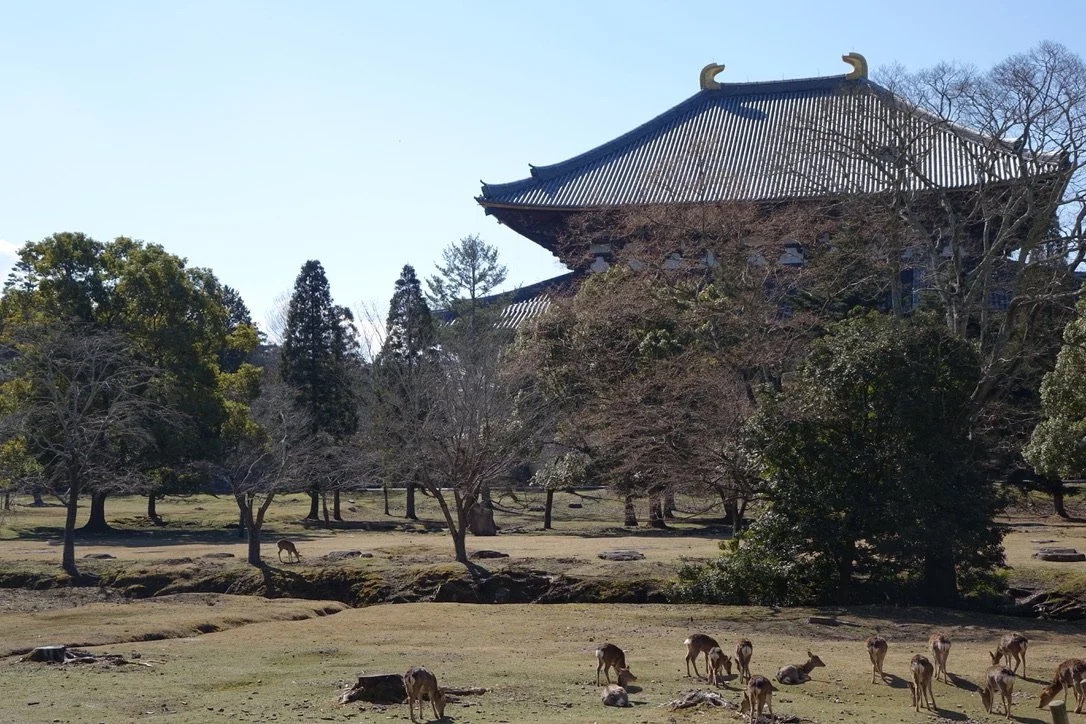
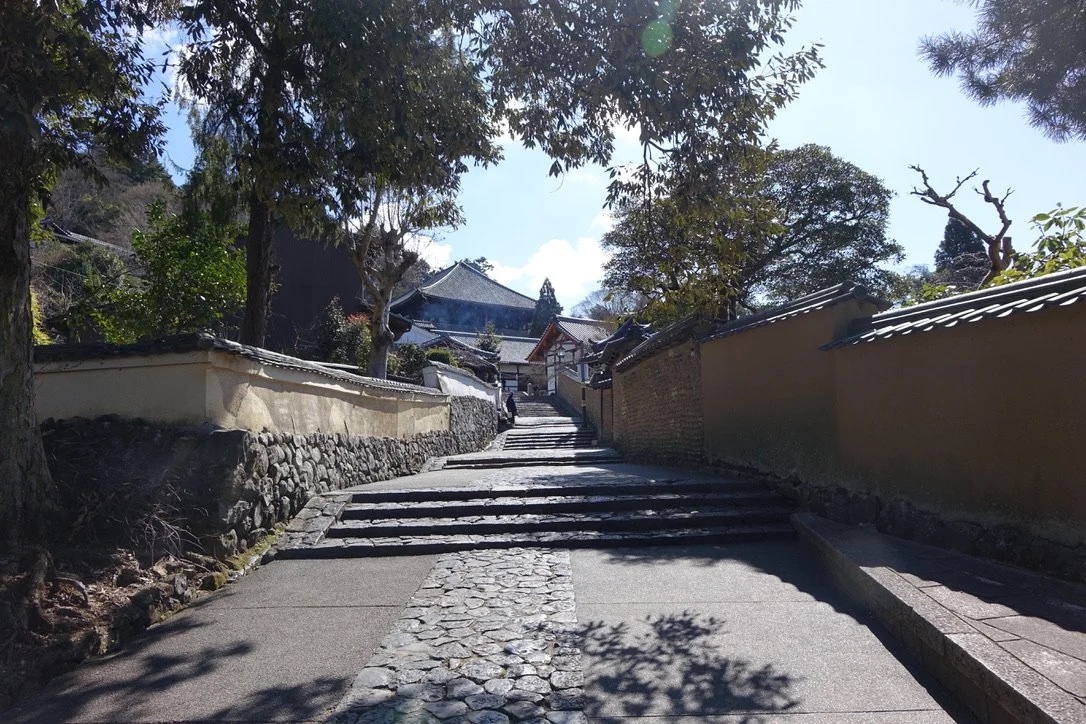
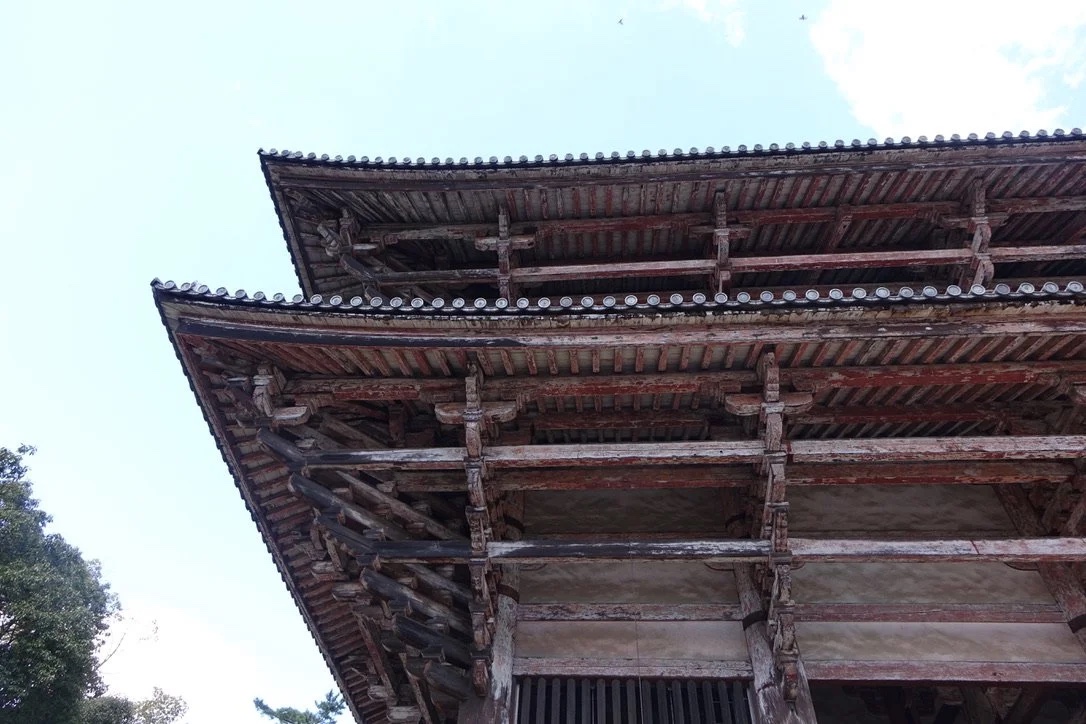
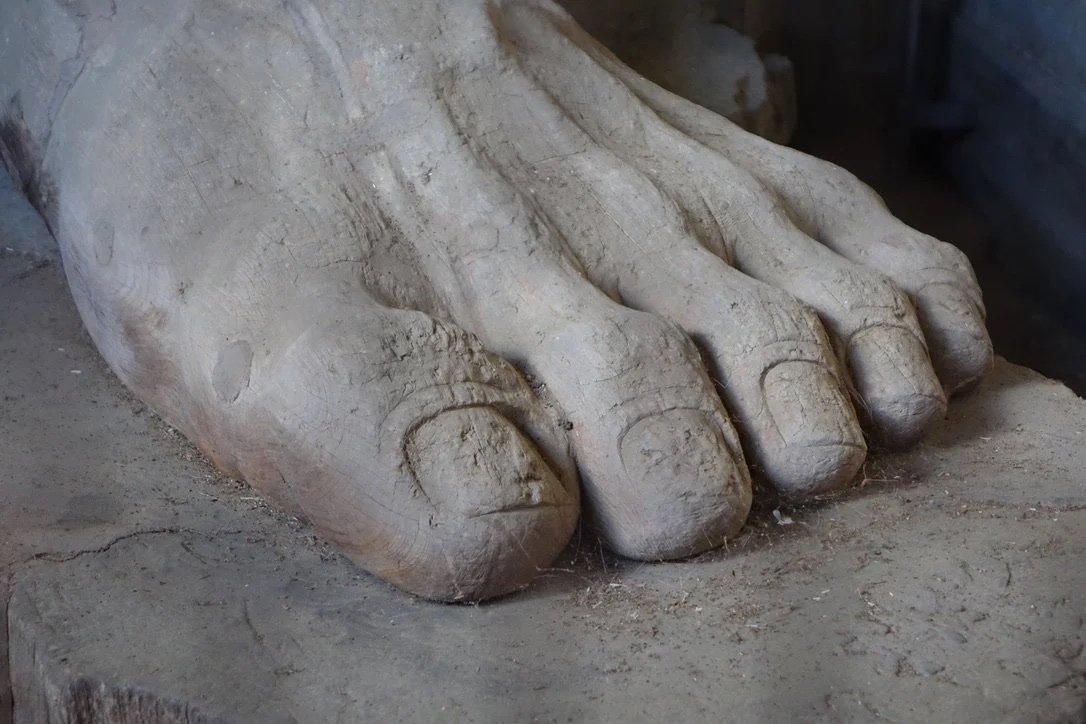
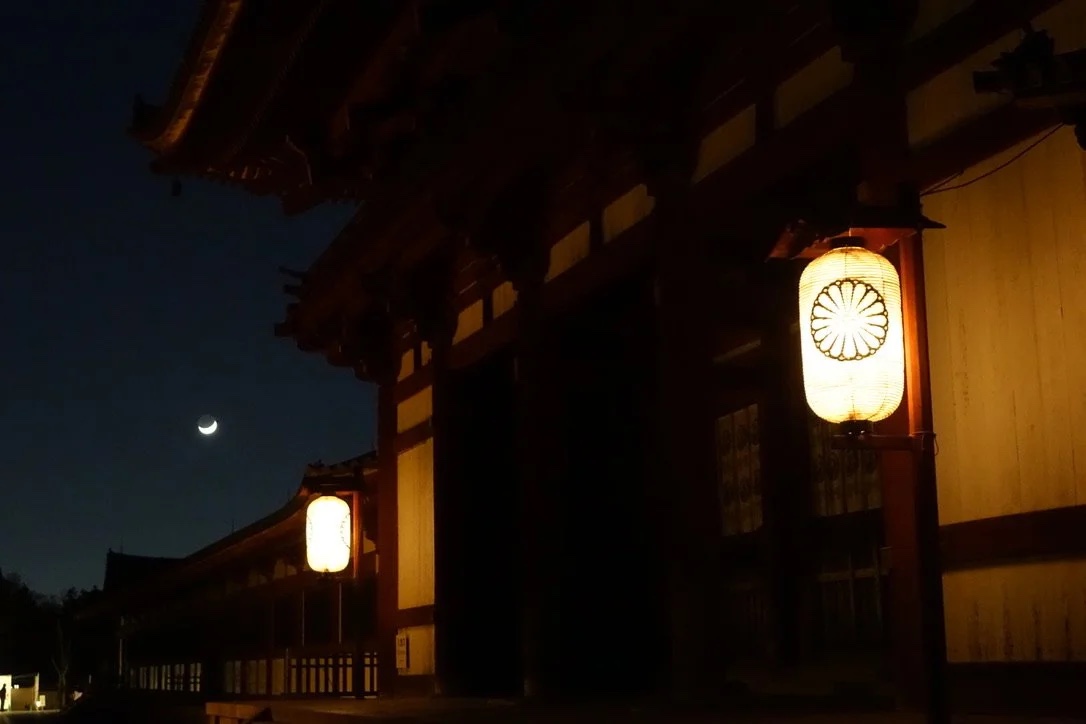
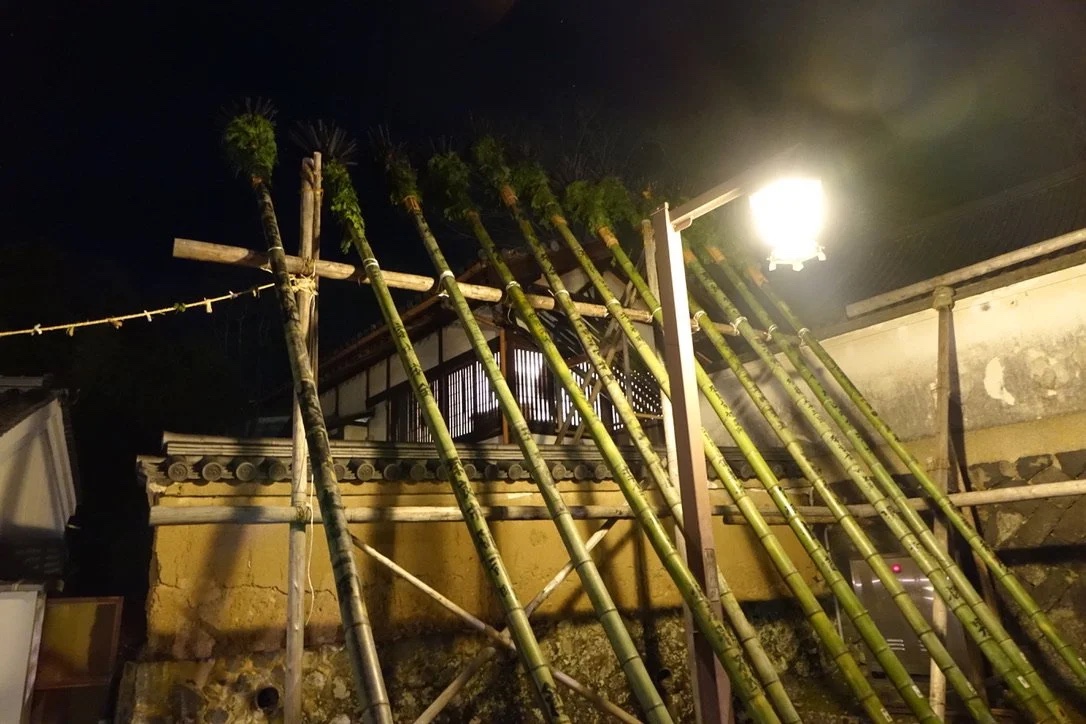
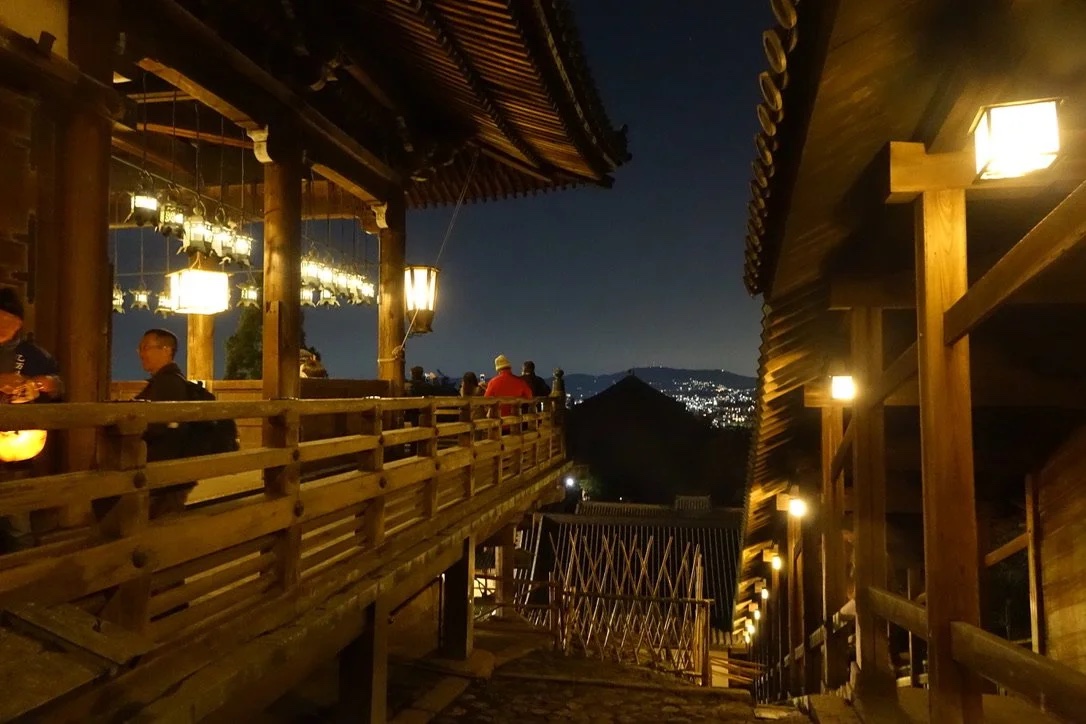
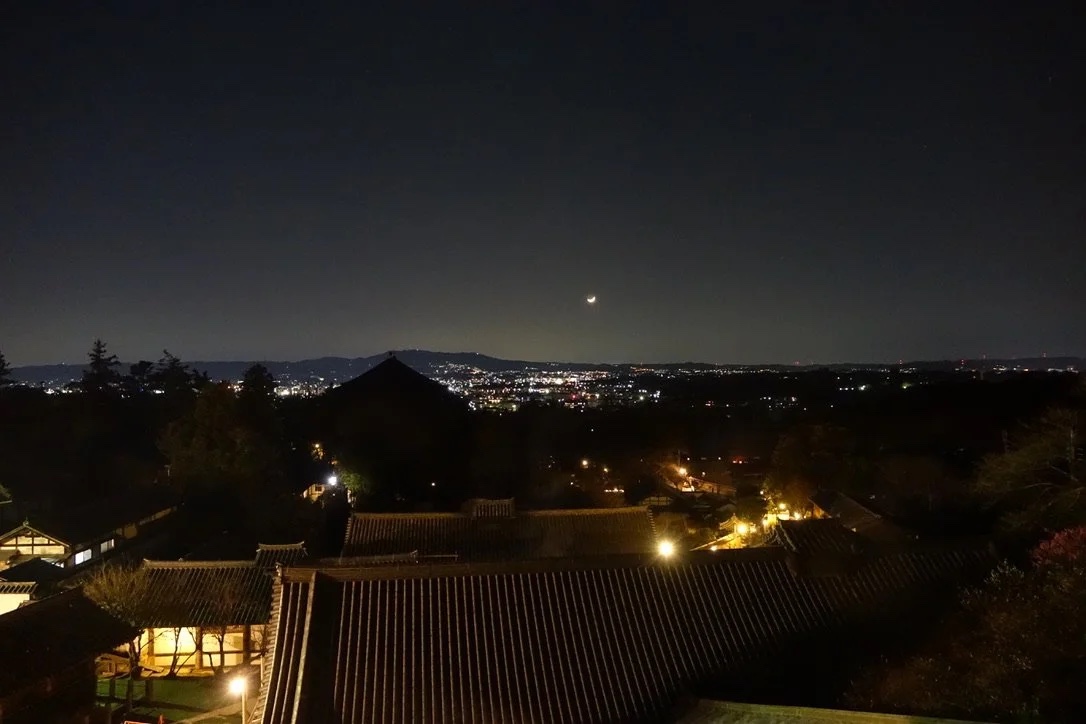
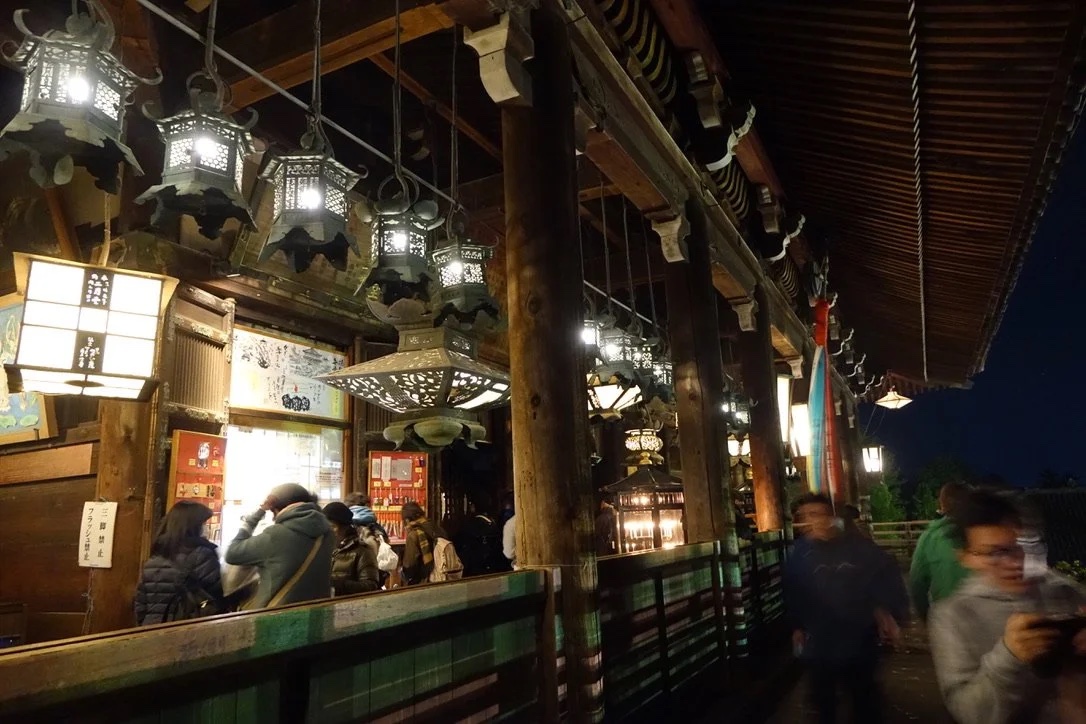
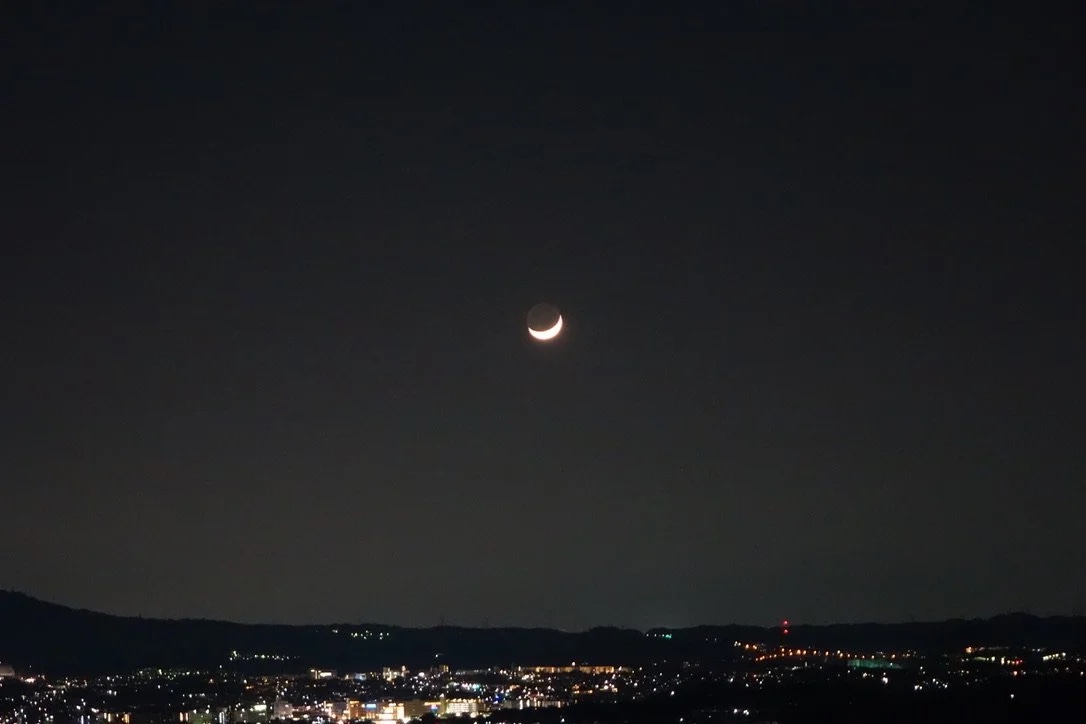
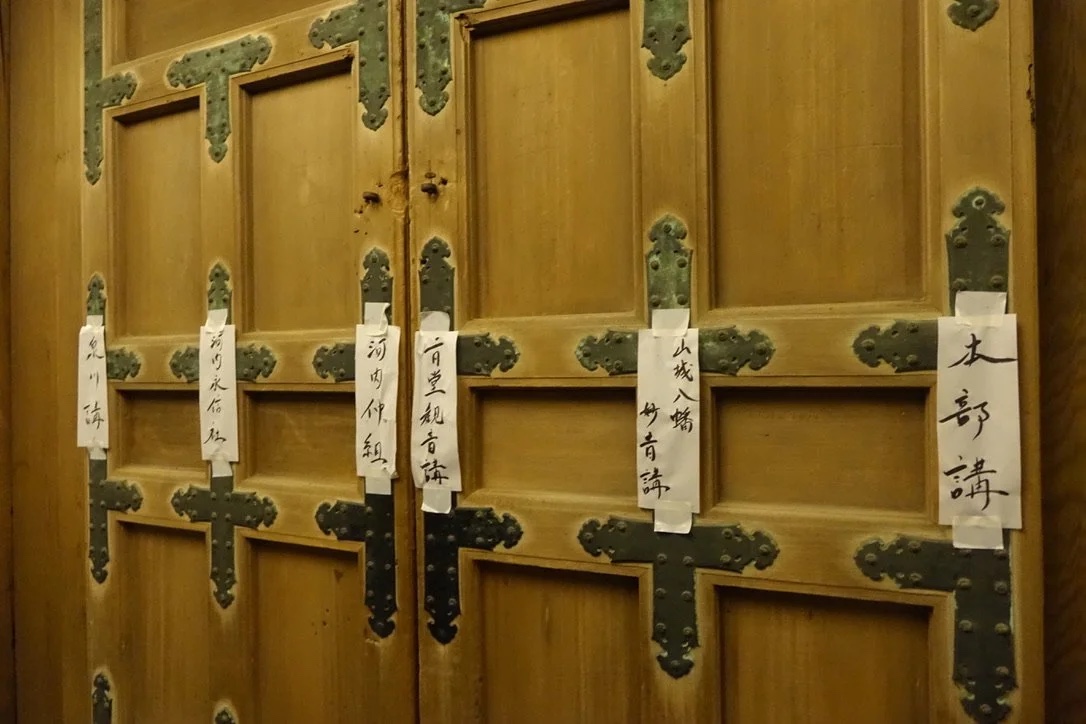
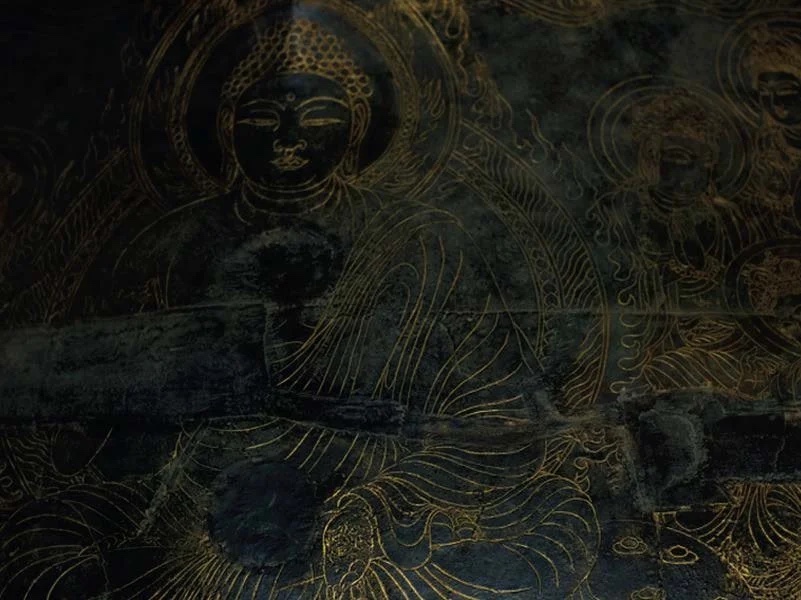
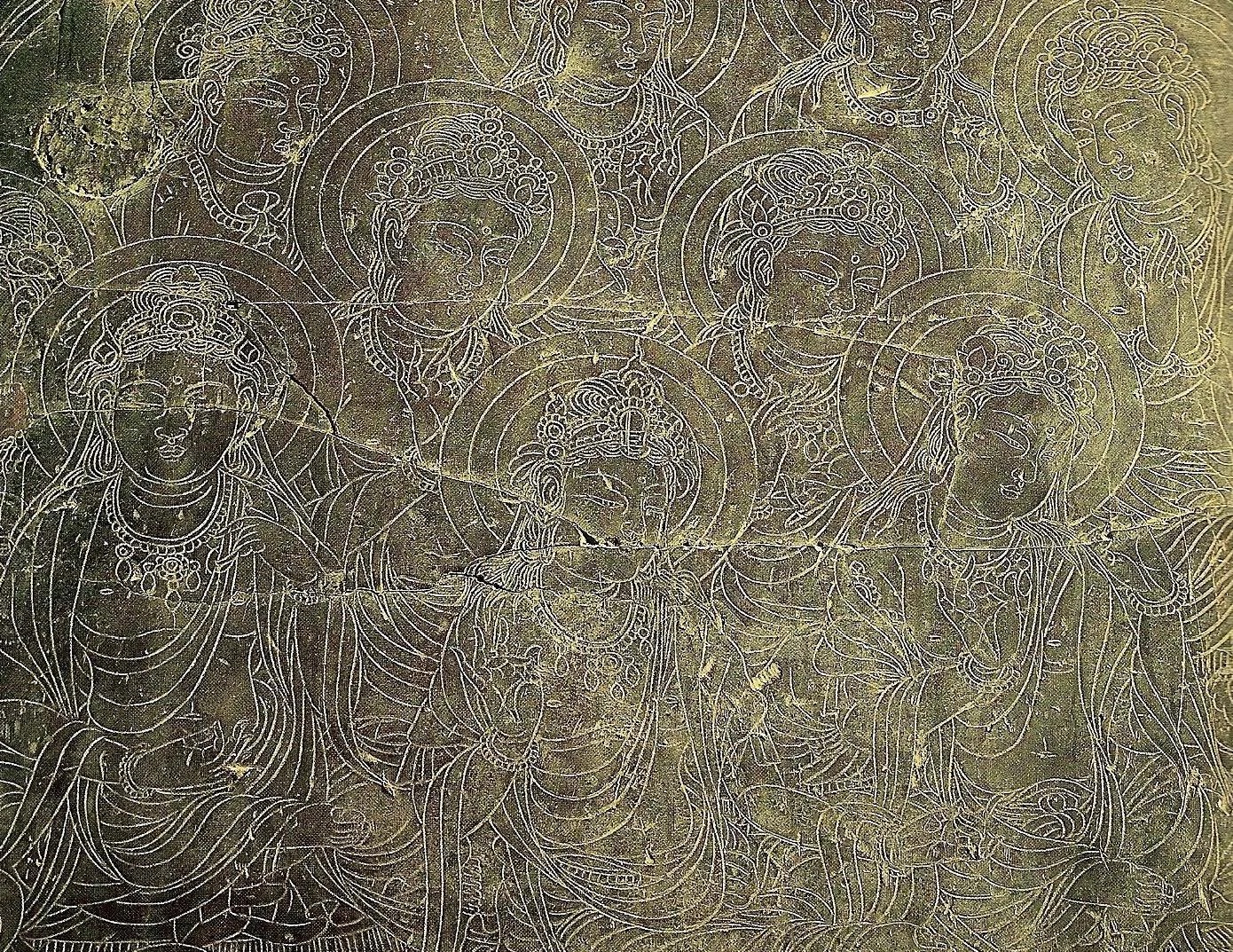
Gilded attendant figures on the Great Buddha’s halo. The Great Buddha in the dim hall. A gilded flanking bodhisattva inside the Great Buddha Hall. Roof structure above the Great Buddha, seen from the pedestal. Incised lines on a bronze lotus petal of the pedestal. Curved bronze petals of the Great Buddha’s pedestal. The pedestal’s bronze petals catching the light. Engraved bronze petal surface. Engraving detail on the pedestal. Bronze petal surface with incised figures. Looking up past the Great Buddha’s halo. The halo’s gilded buddhas from behind. The Great Buddha’s head and raised hand. The Great Buddha’s raised right hand. Profile of the Great Buddha’s face. Beneath the Great Buddha’s arm. Wooden model of an earlier Great Buddha Hall. A guardian statue in slatted window light. Statue silhouetted by window light. Guardian figure in dramatic light. A guardian king statue with spear. Gilded guardian statue under the hall roof. Guardian statue seen from below. Nara Park and deer, Tōdaiji beyond. Stone steps rising to the Nigatsudō. Eaves of the Nigatsudō. A monumental stone Buddha foot. Lanterns of the Nigatsudō at dusk. Torch poles and scaffolding readied for Omizutori. The Nigatsudō veranda at night. Night view over Nara from the Nigatsudō. A lantern-lit corridor during the festival. Crescent moon over the Nara plain. Doors of the Nigatsudō layered with pilgrims’ slips.

Class session—Shōtoku Taishi: Legend and History
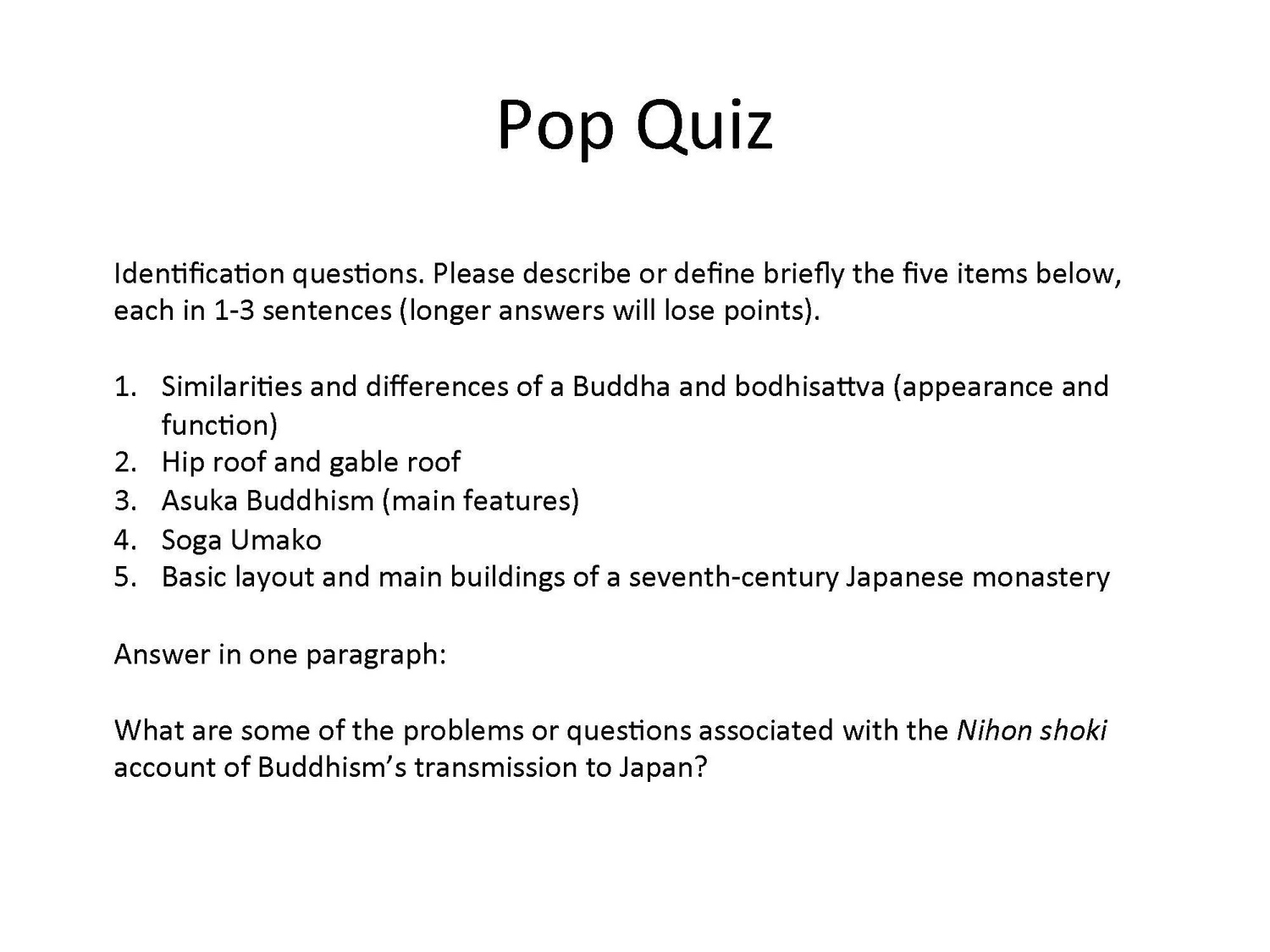
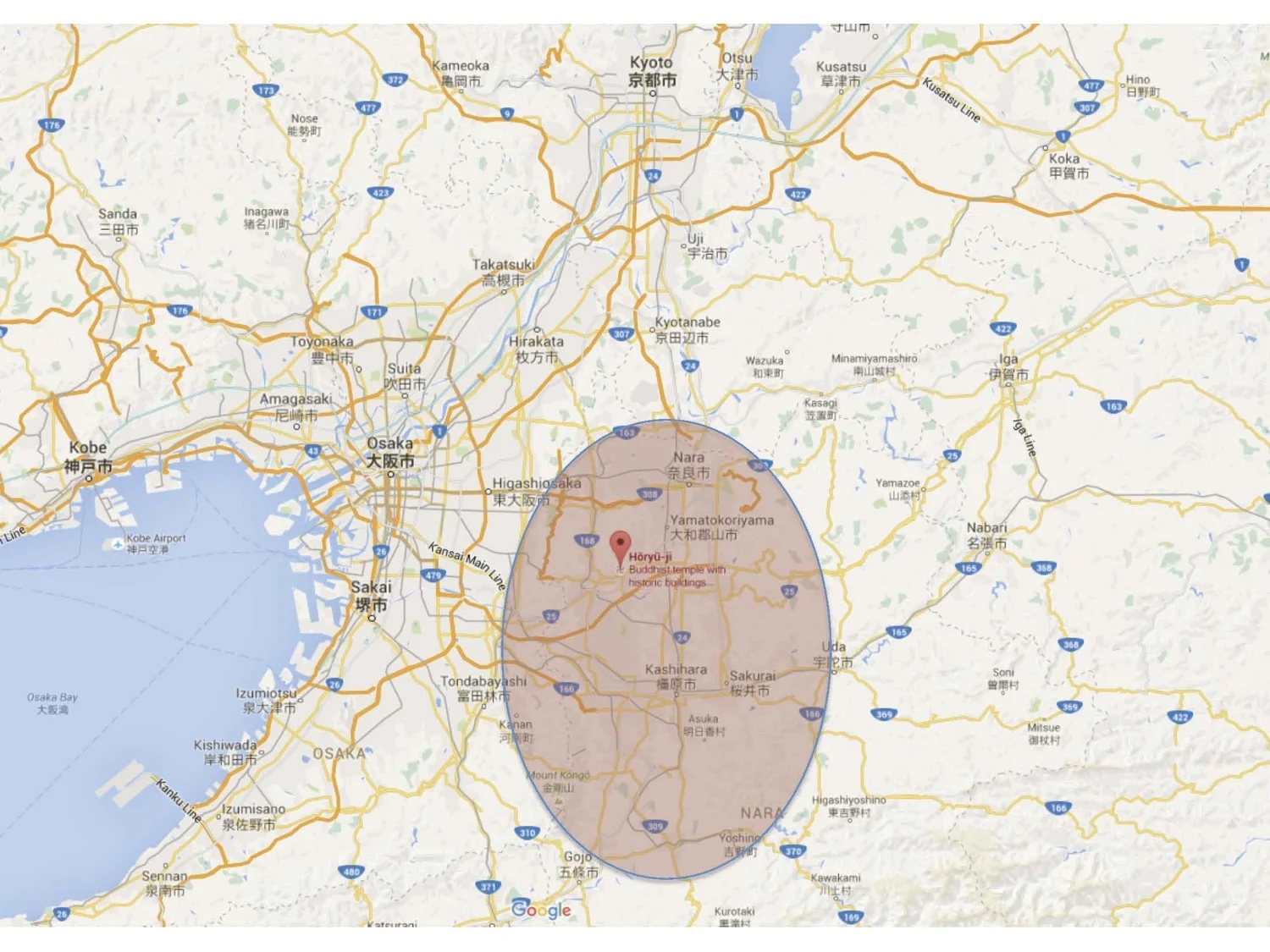
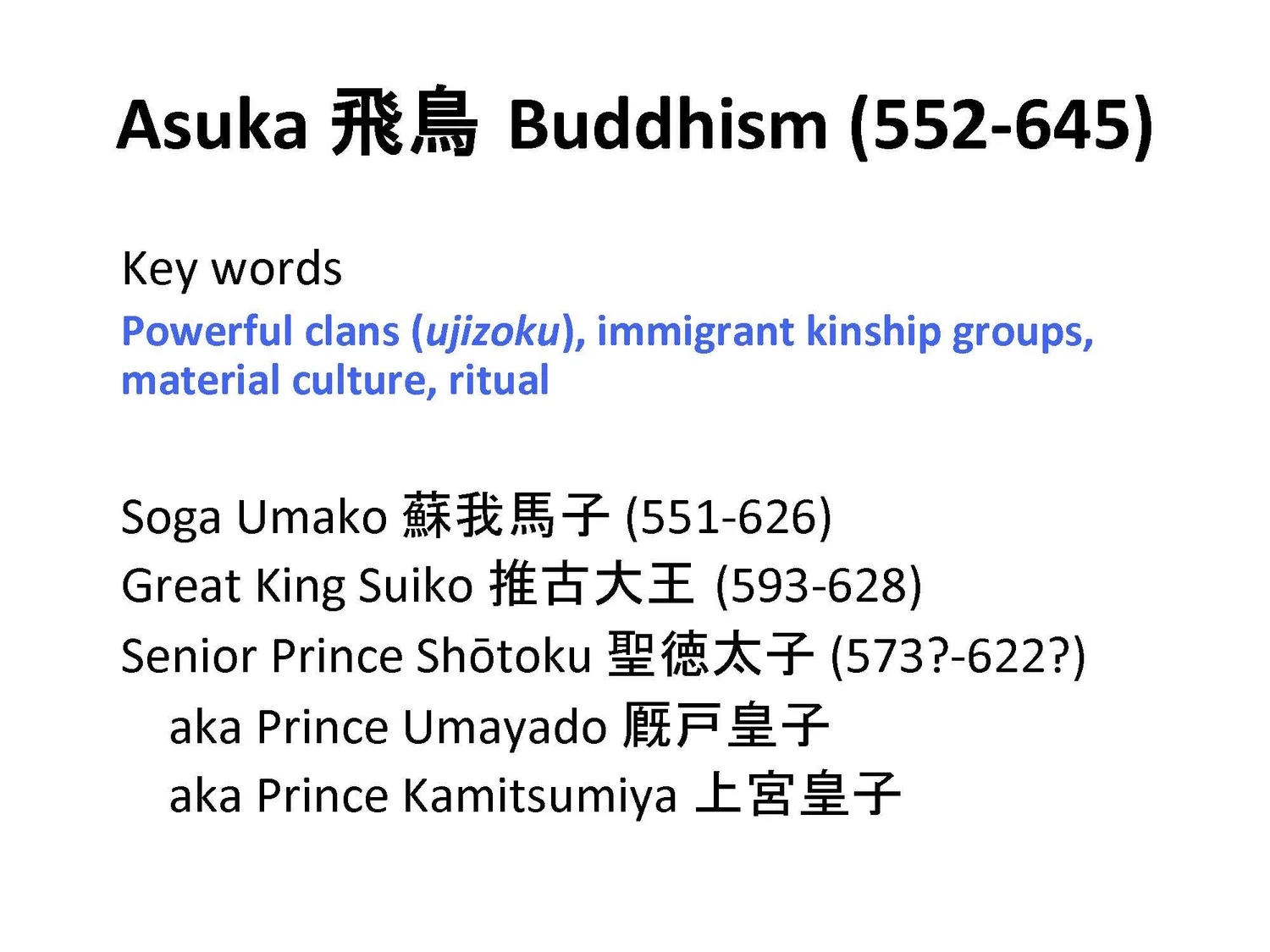
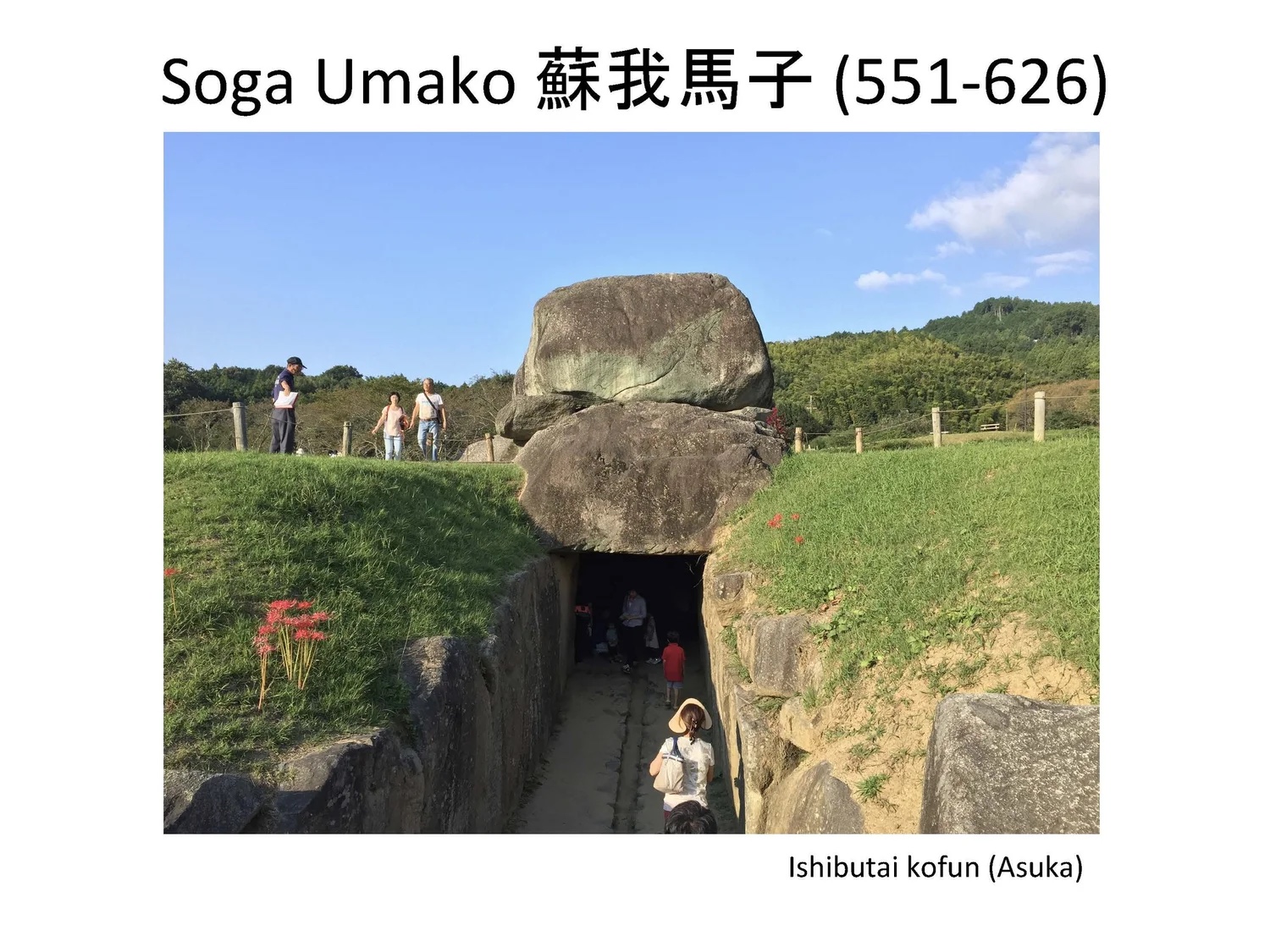
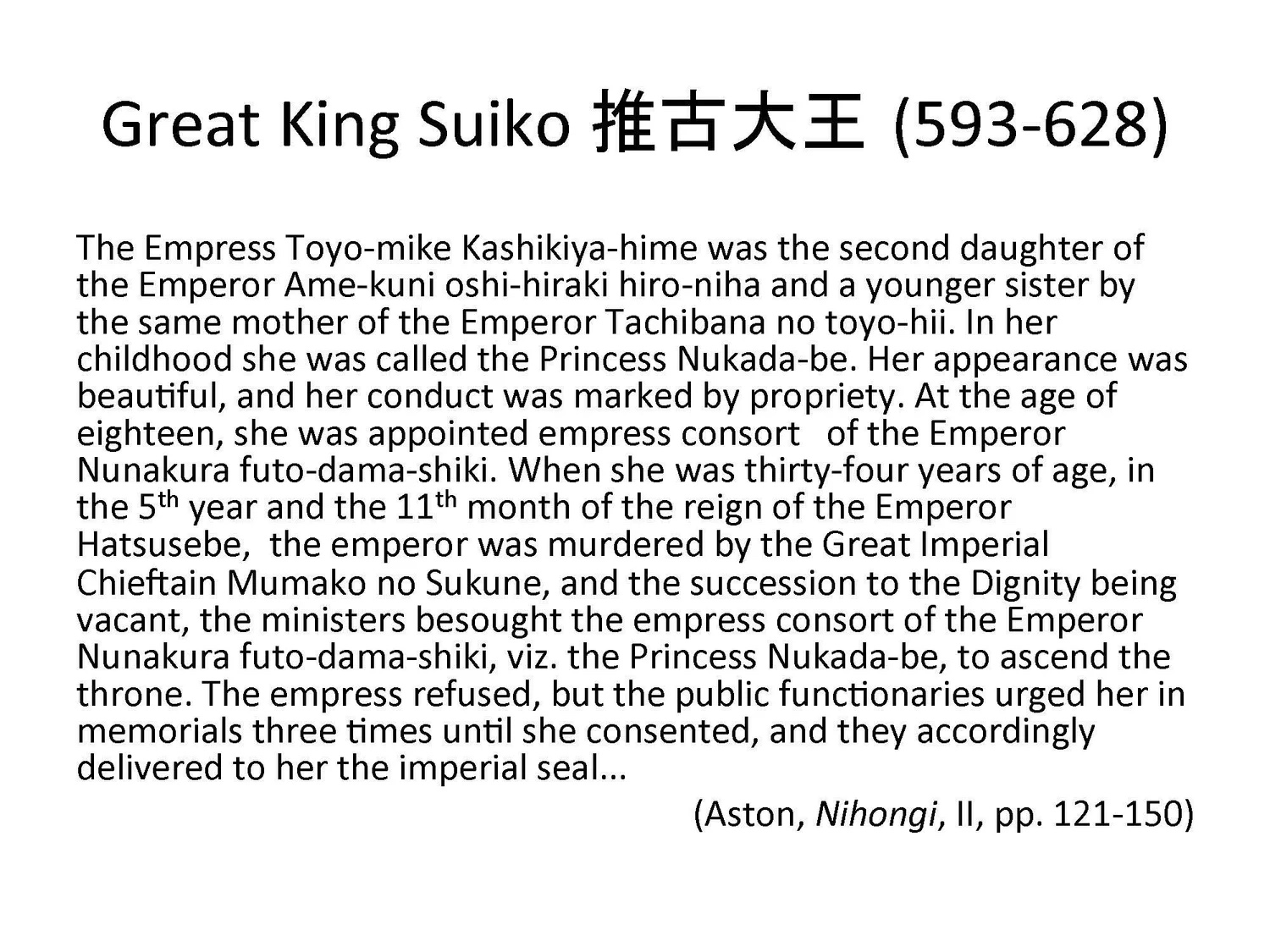
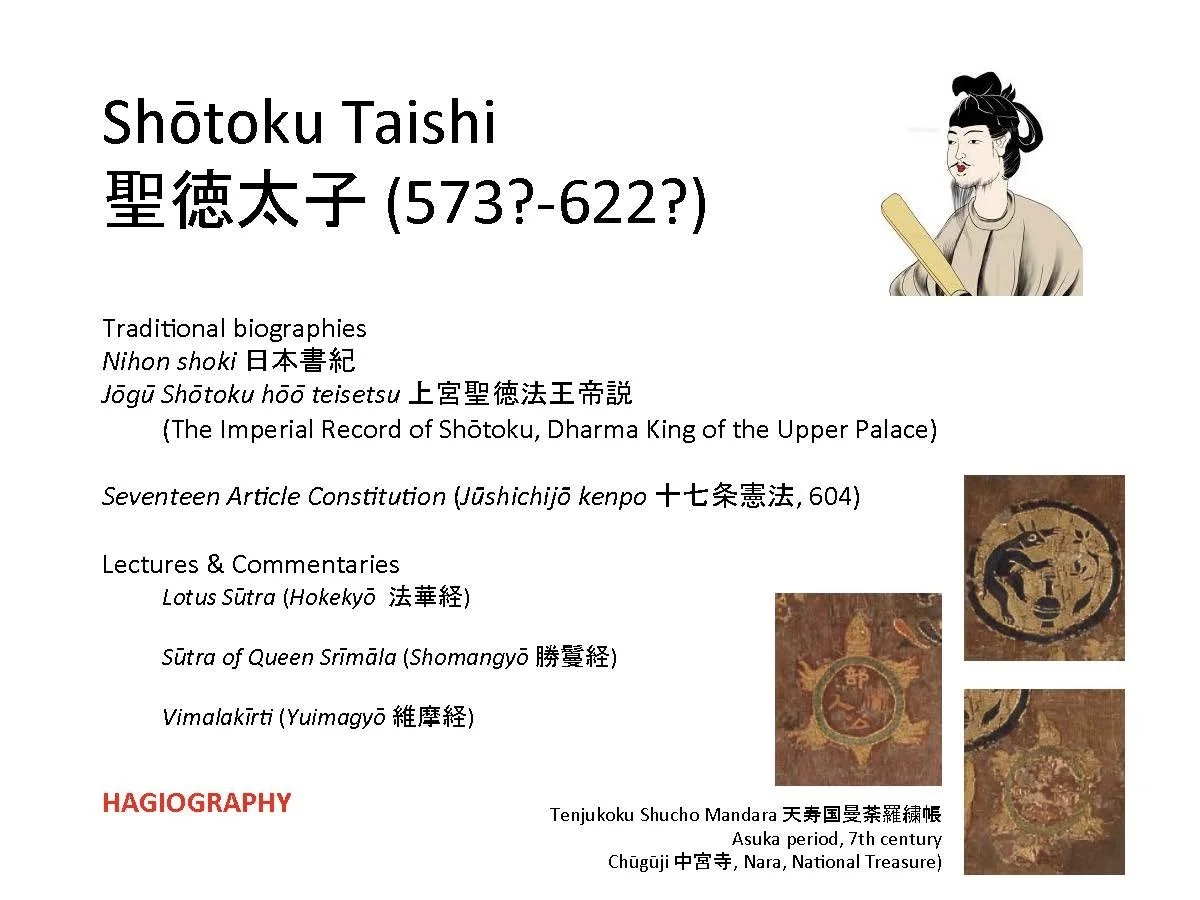
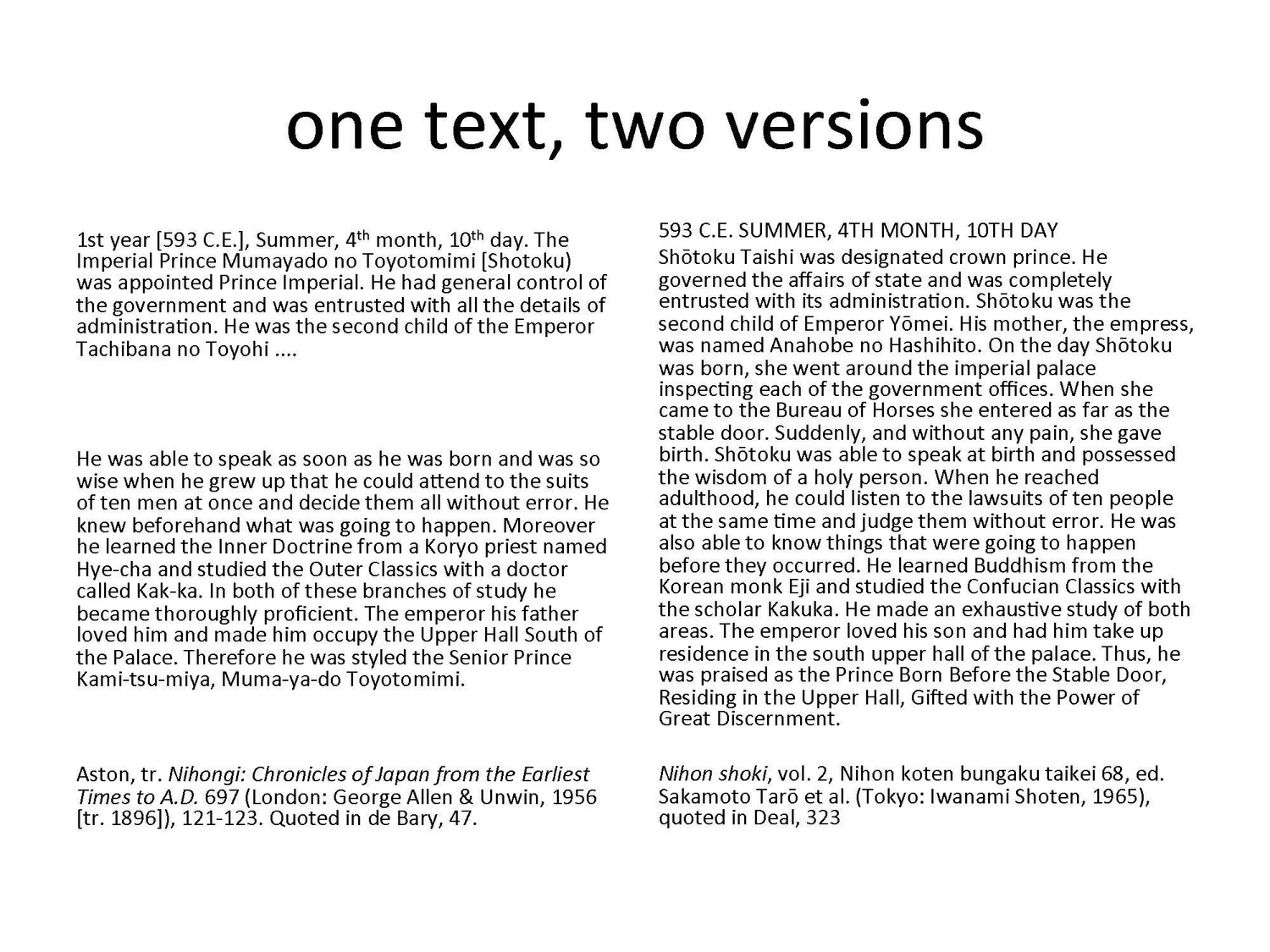
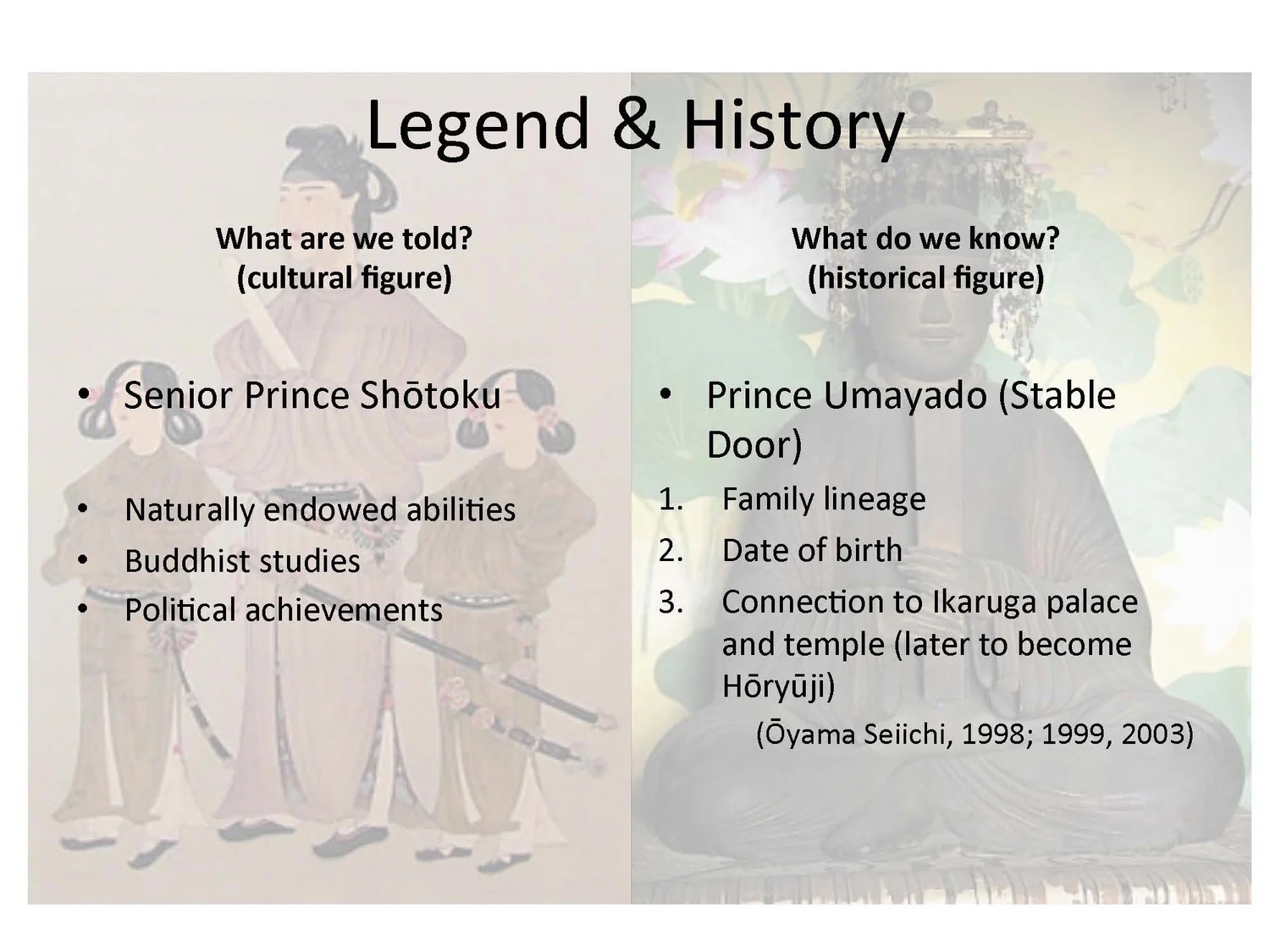
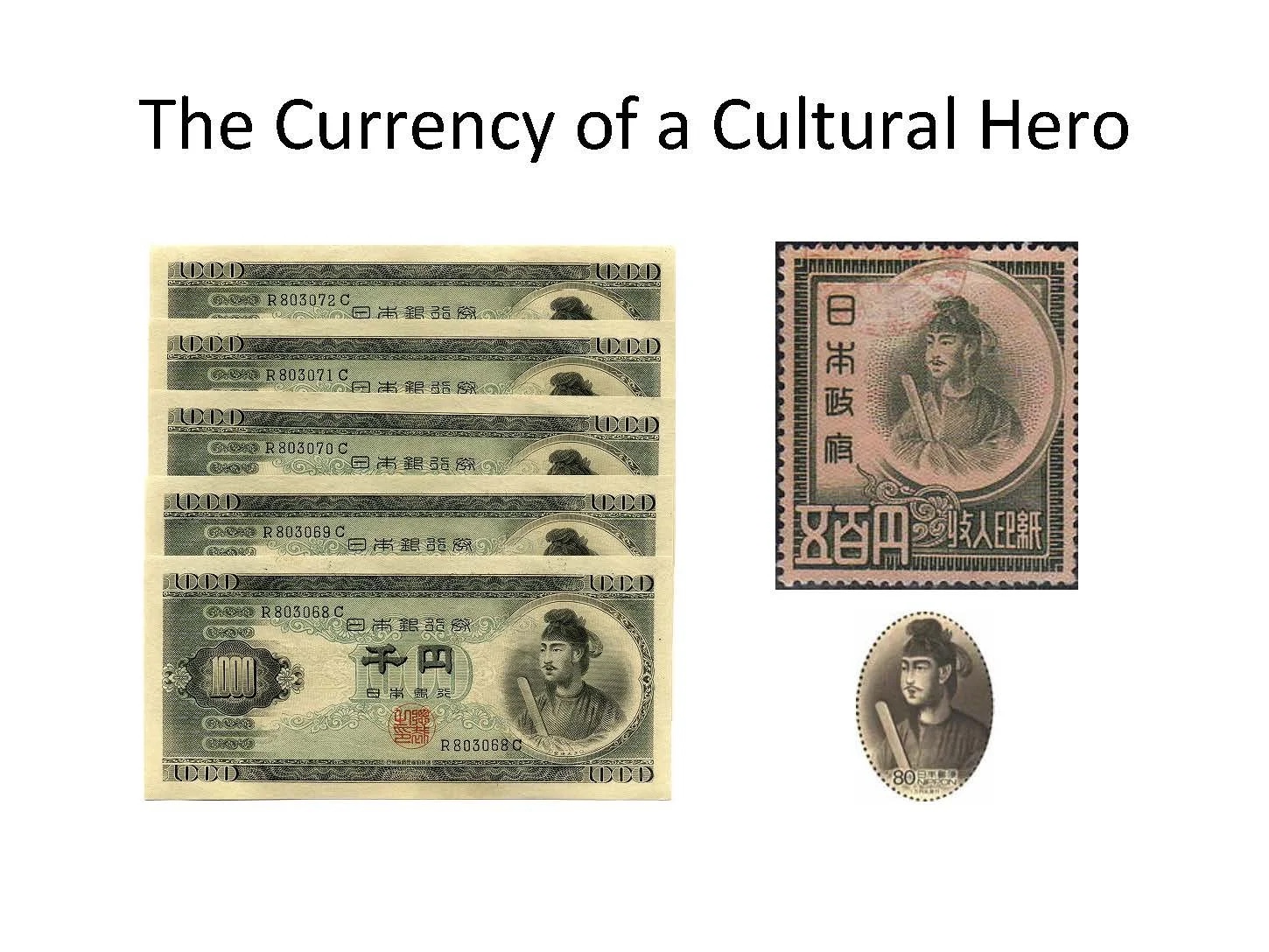
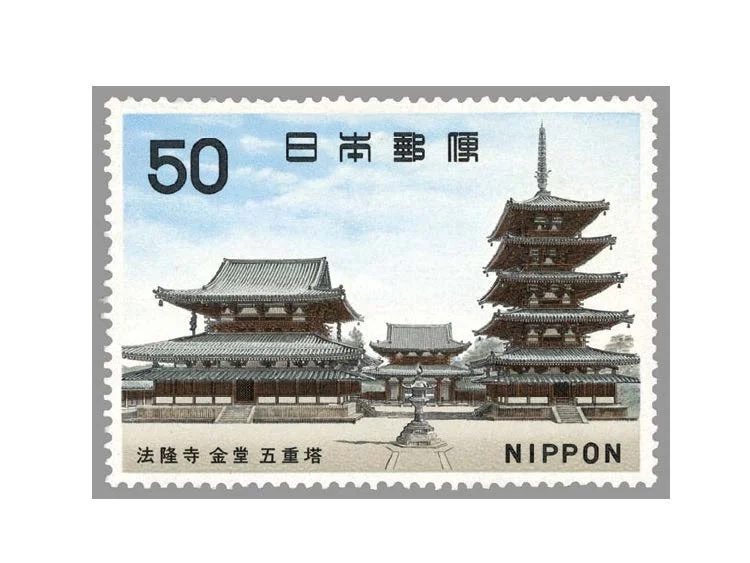
Title slide: Shōtoku Taishi, Legend and History, October 20, 2015. Slide: pop quiz. Slide: map of the Asuka region. Slide: Asuka Buddhism (552–645), key words. Slide: Soga Umako and the Ishibutai kofun. Slide: Great King Suiko (593–628). Slide: Shōtoku Taishi—traditional biographies. Slide: one text, two versions. Slide: legend and history—what we know and what we believe. Slide: the currency of a cultural hero—Shōtoku on banknotes. Slide: Hōryūji pagoda on a 50-yen stamp.

Class session—State Buddhism
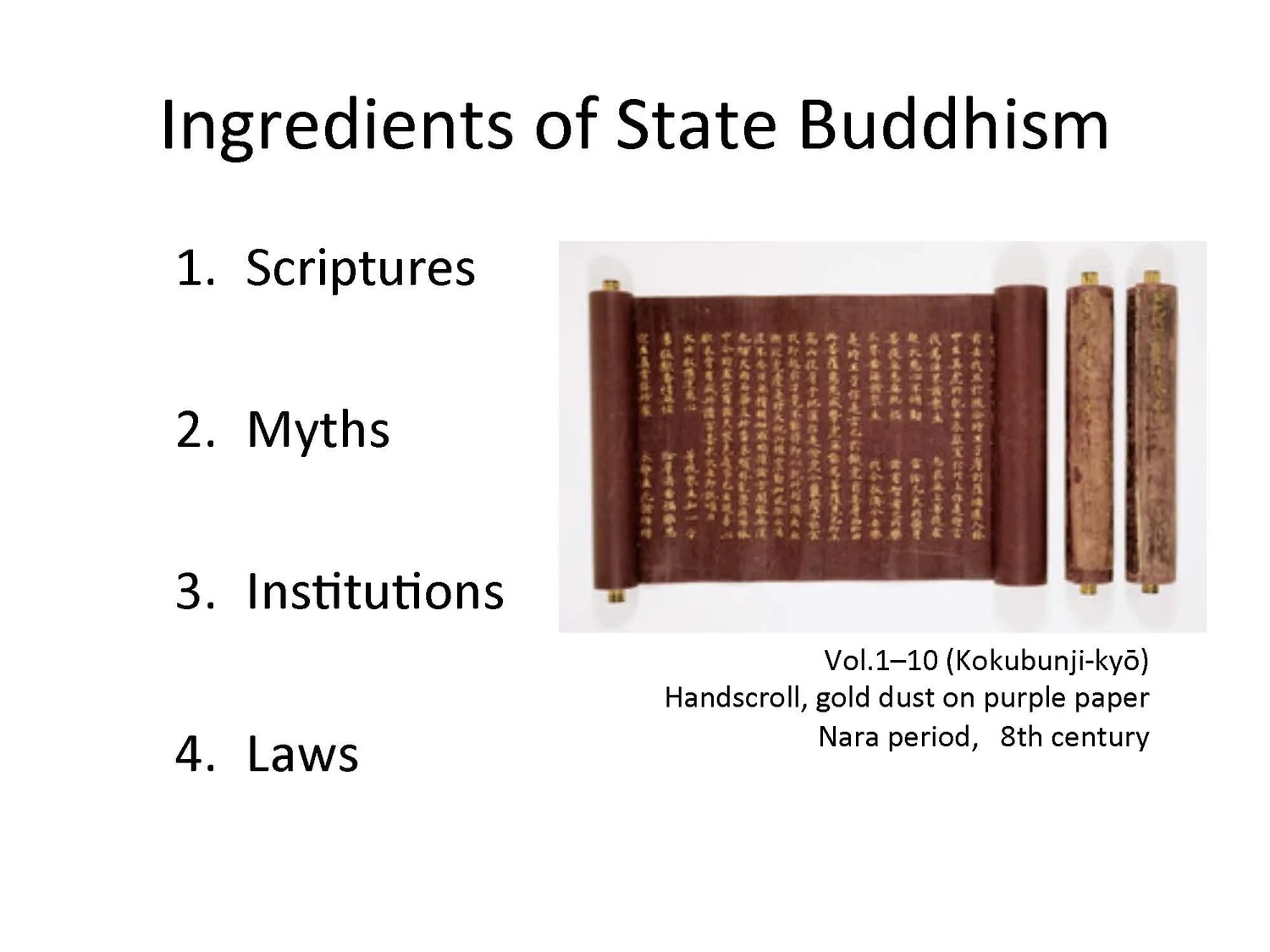
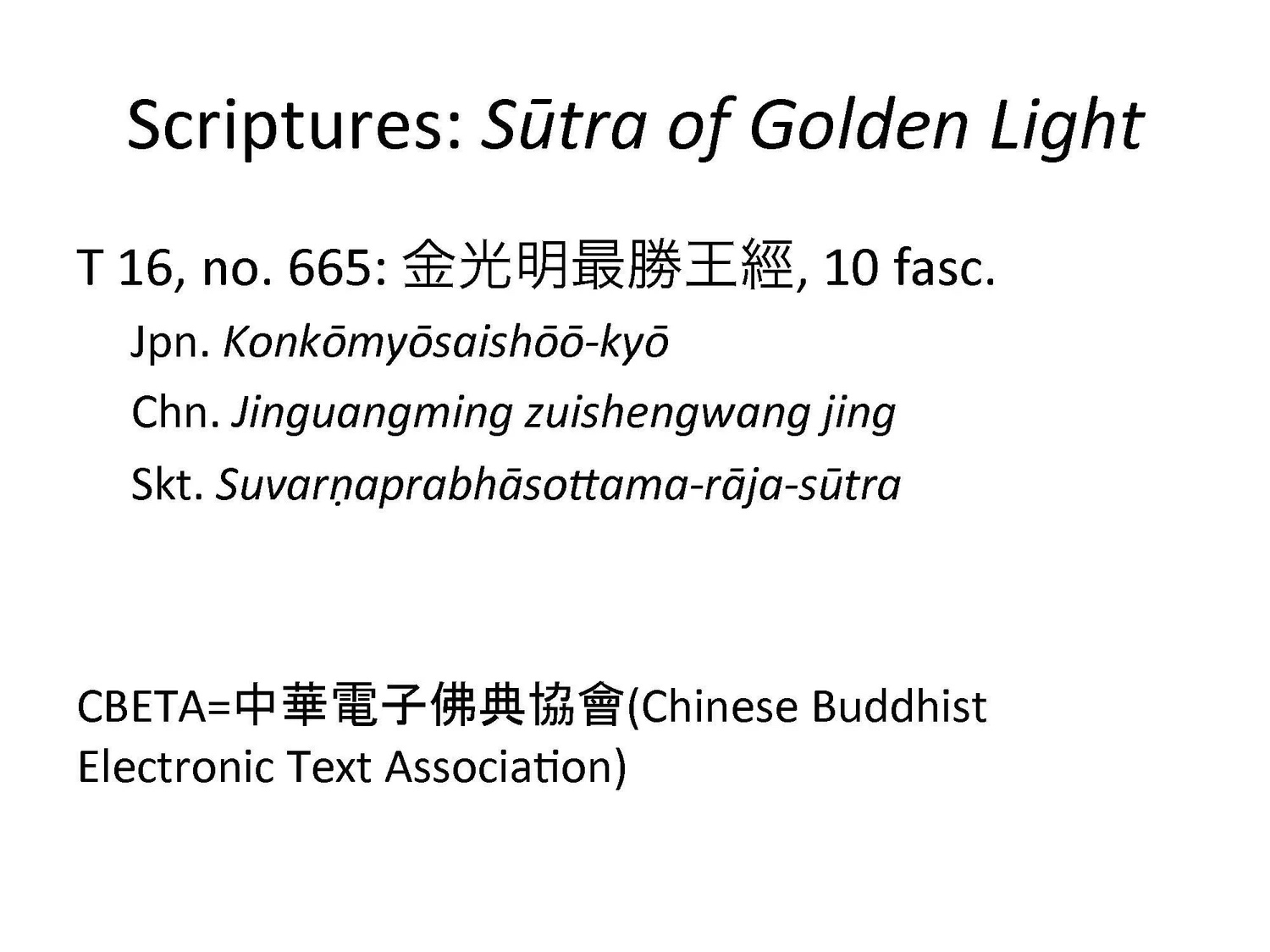
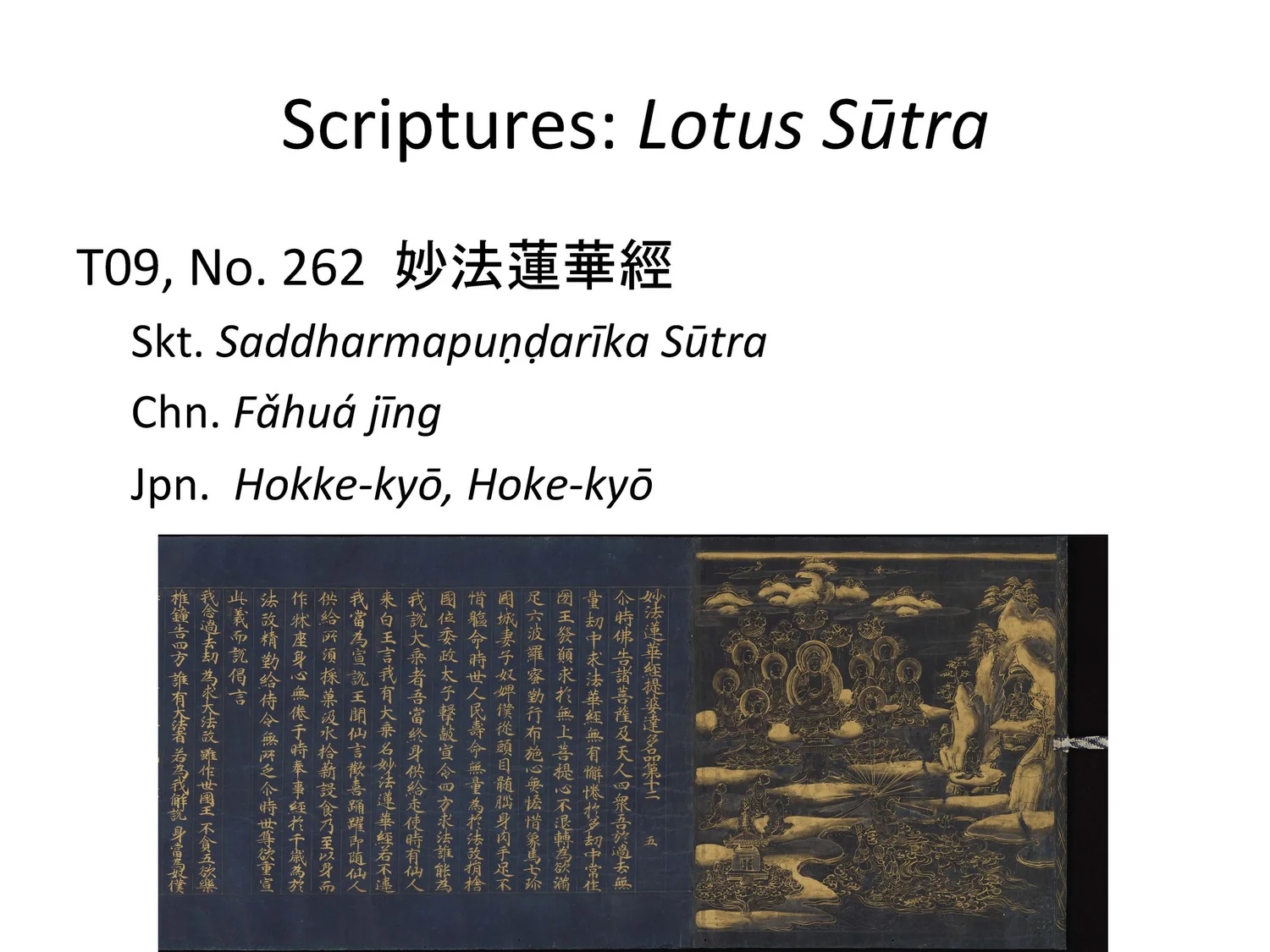
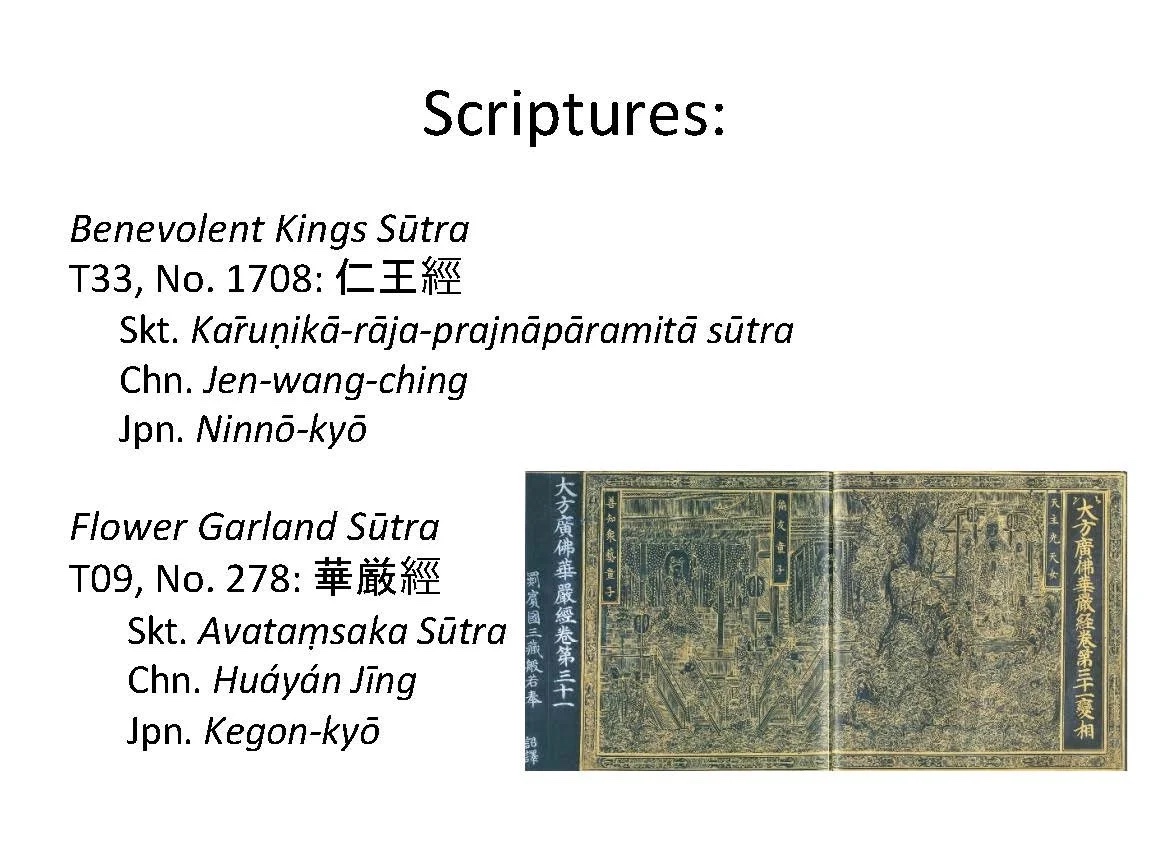
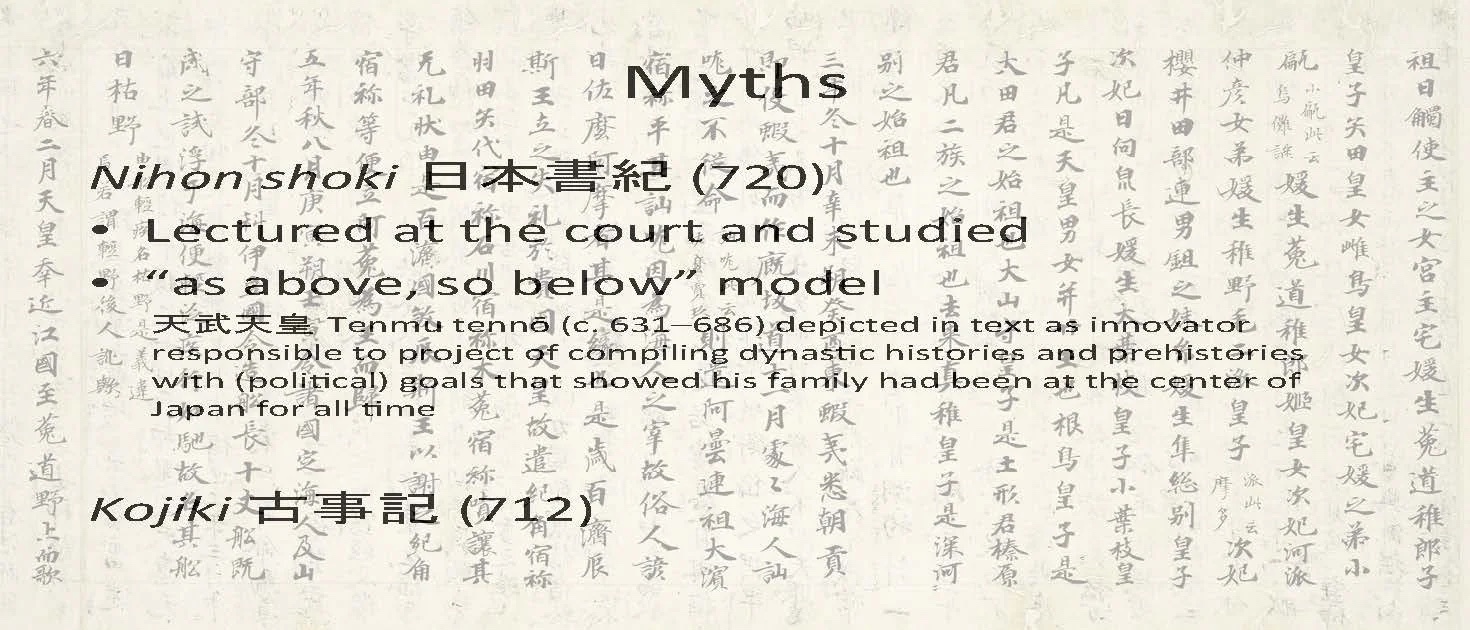
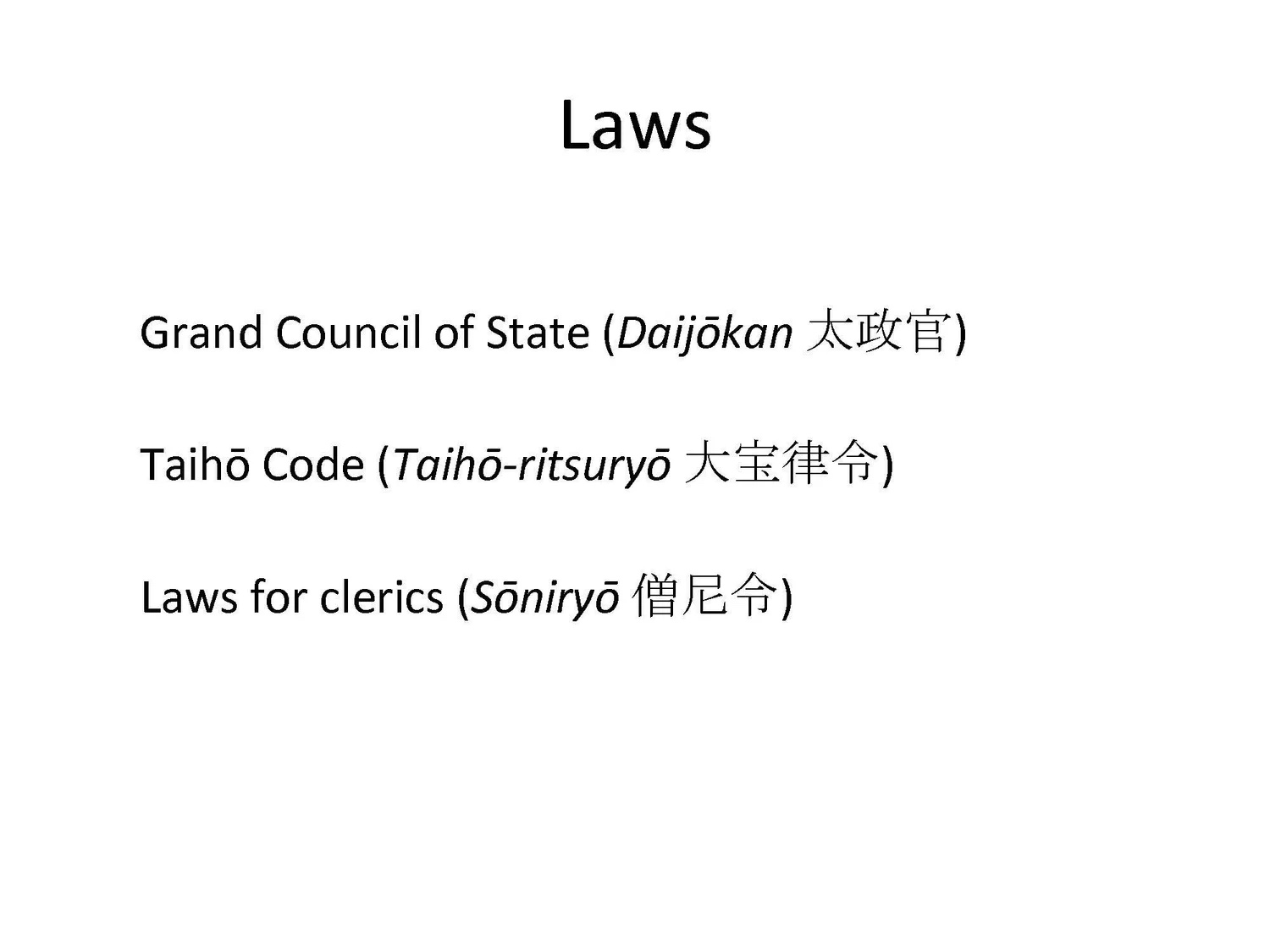
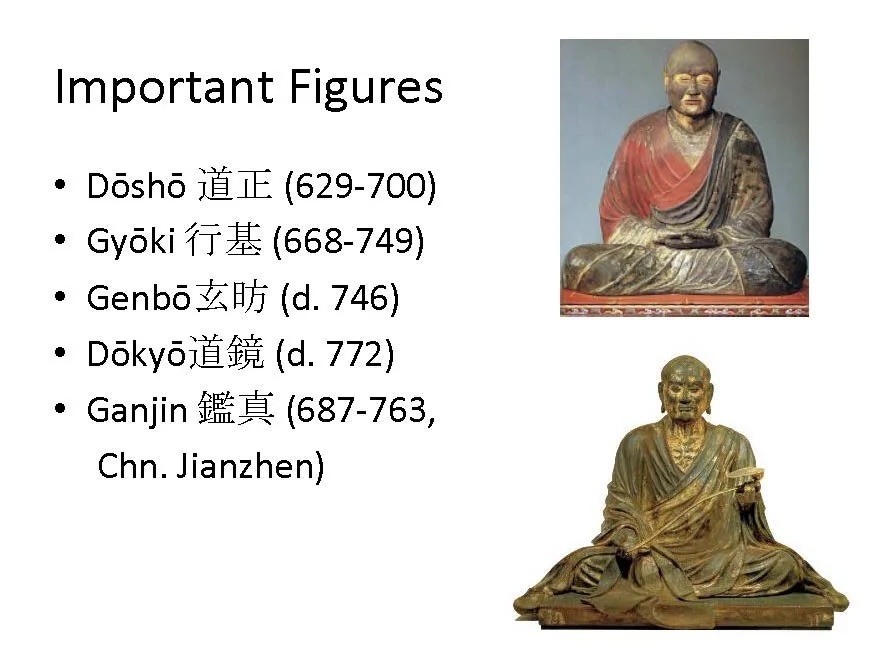
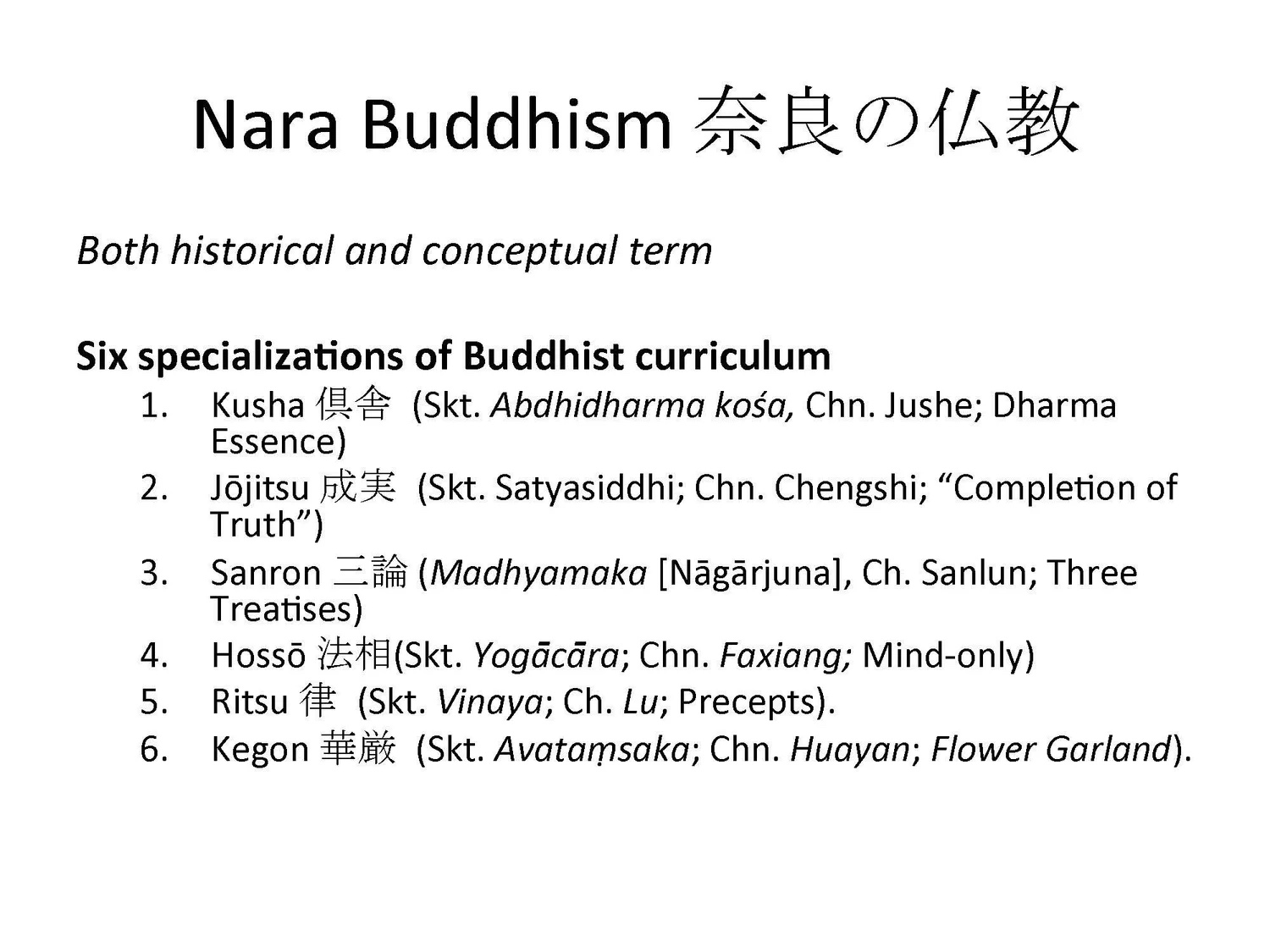
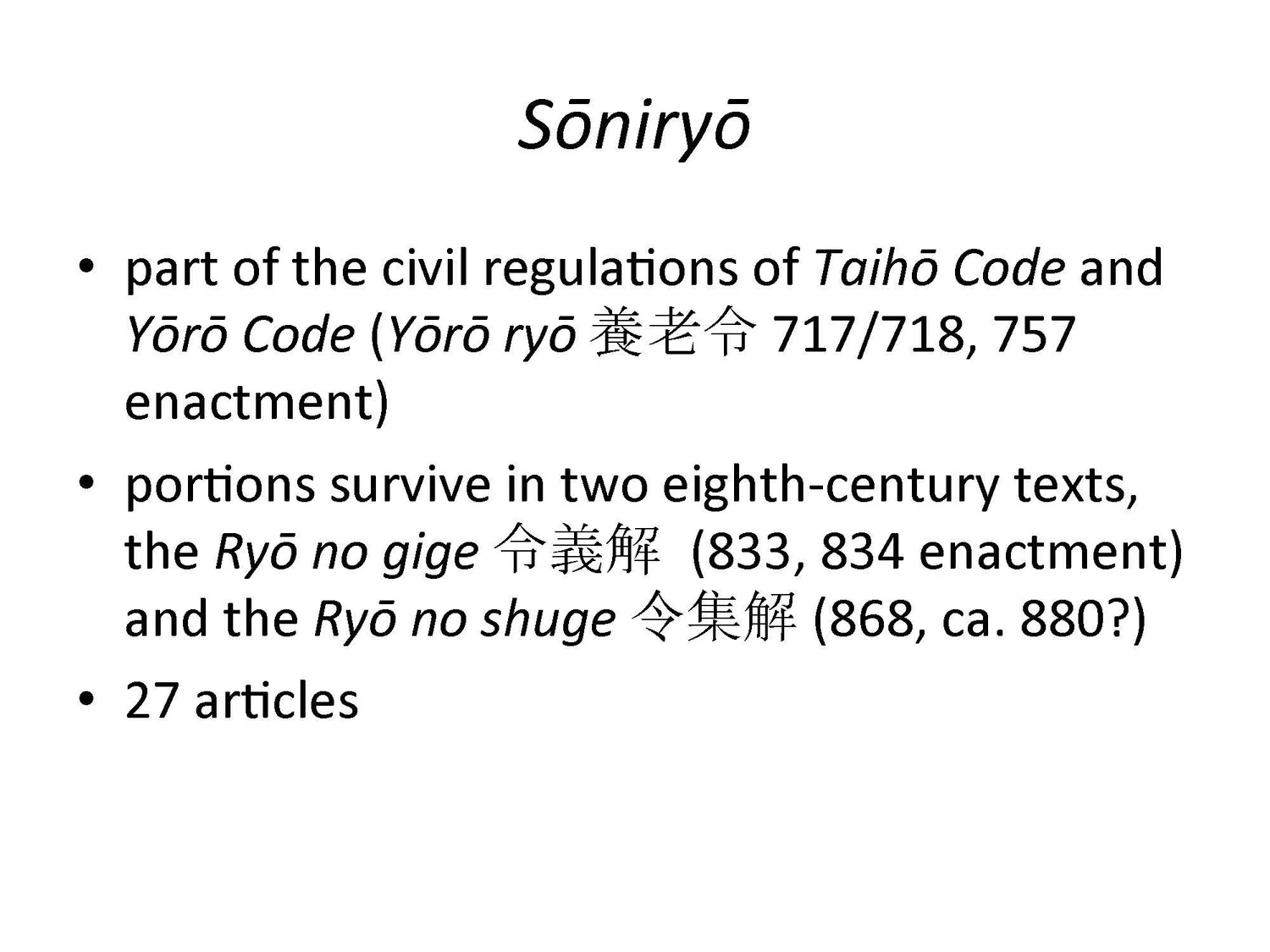
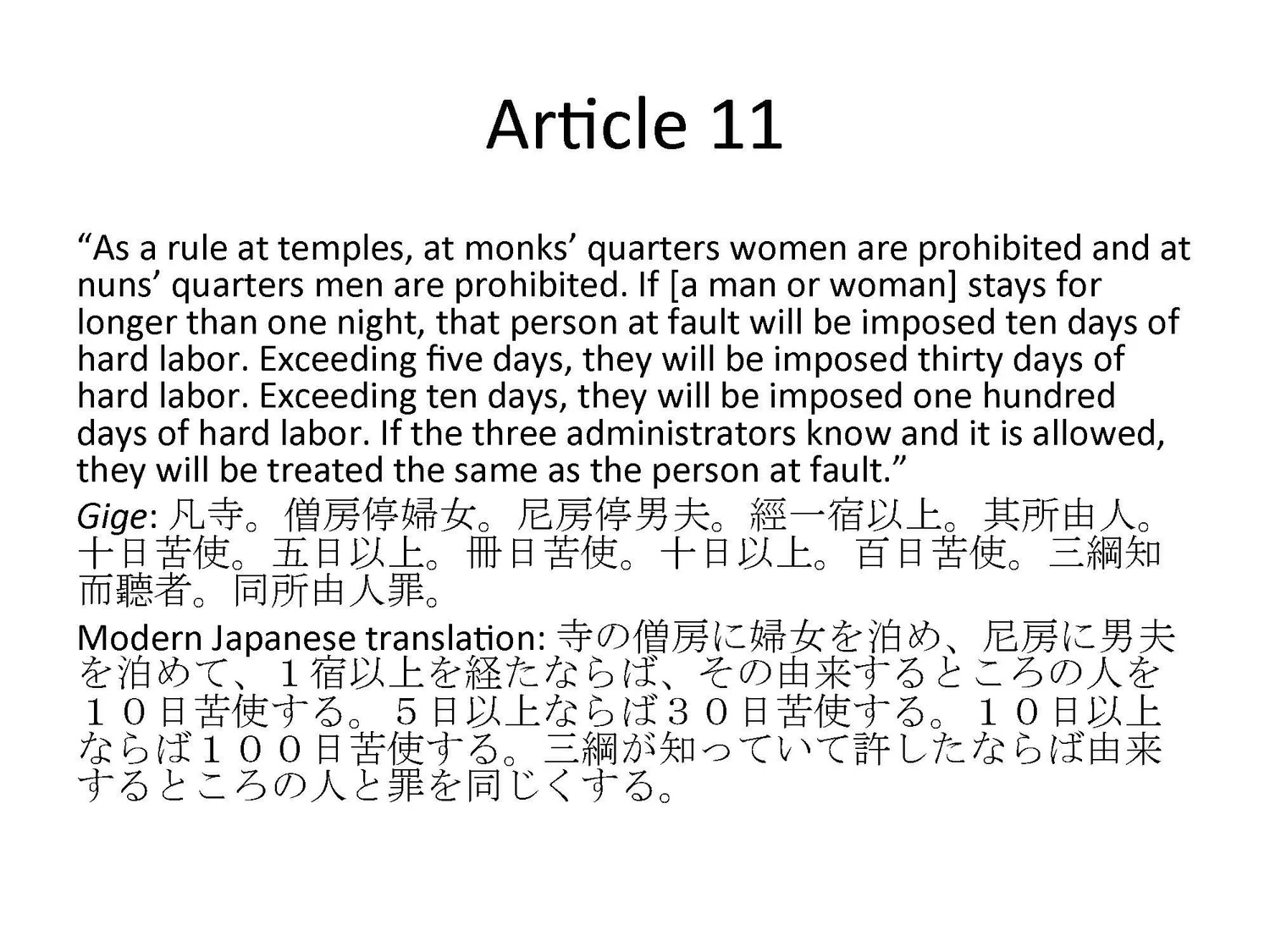
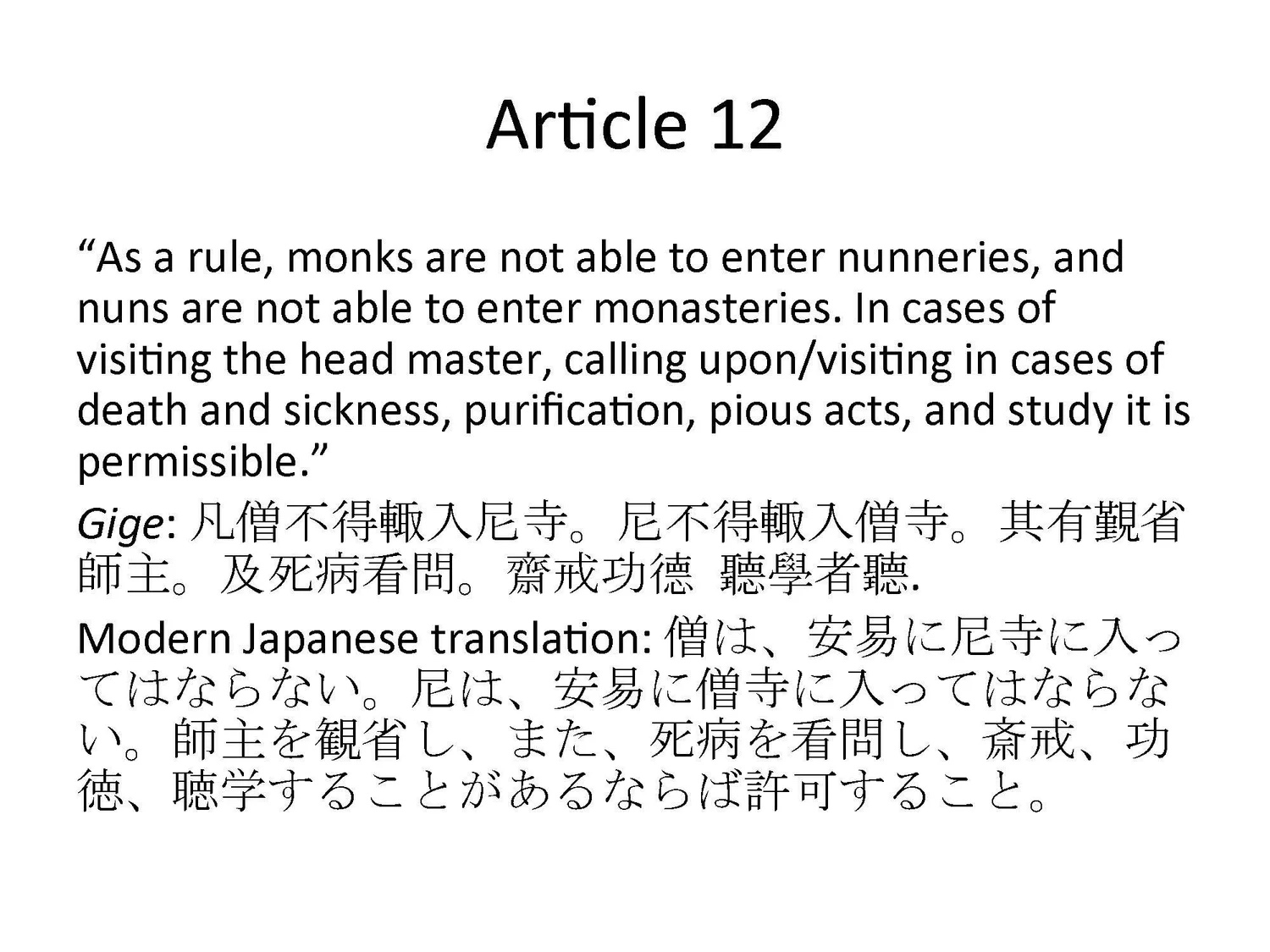
Title slide: State Buddhism, November 24, 2015. Slide: ingredients of state Buddhism. Slide: Sūtra of Golden Light. Slide: Lotus Sūtra. Slide: Benevolent Kings and Flower Garland sūtras. Slide: myths—Nihon shoki and Kojiki. Slide: institutions—capitals, provincial temples, Tōdaiji. Slide: laws—the Taihō Code and rules for clerics. Slide: important figures—Dōshō to Ganjin. Slide: Nara Buddhism—six specializations. Slide: the Sōniryō. Slide: Sōniryō Article 11. Slide: Sōniryō Article 12.

Class session—Tōdaiji, Nigatsudō and Its Icons; Omizutori (Shunie) Rite
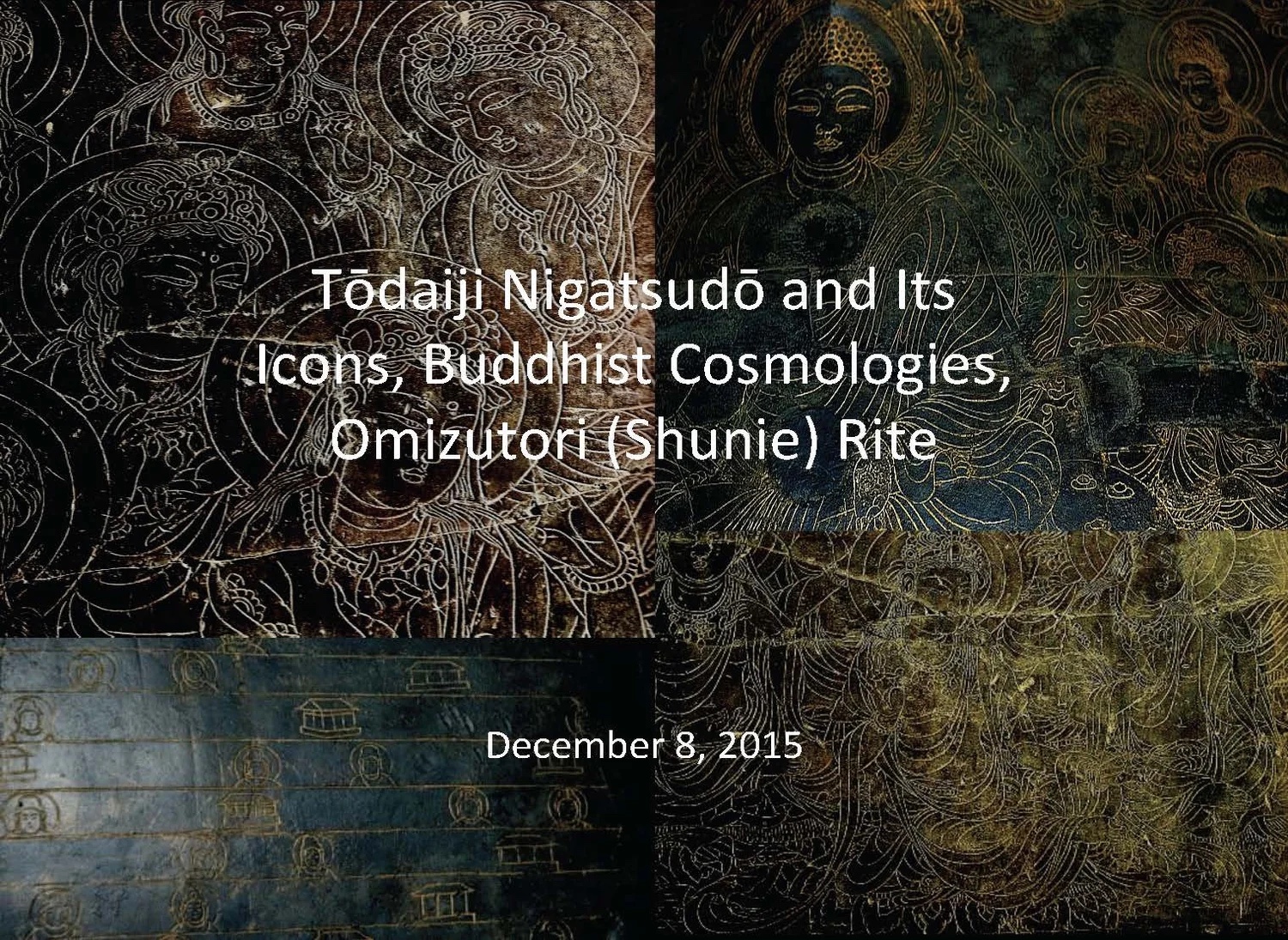
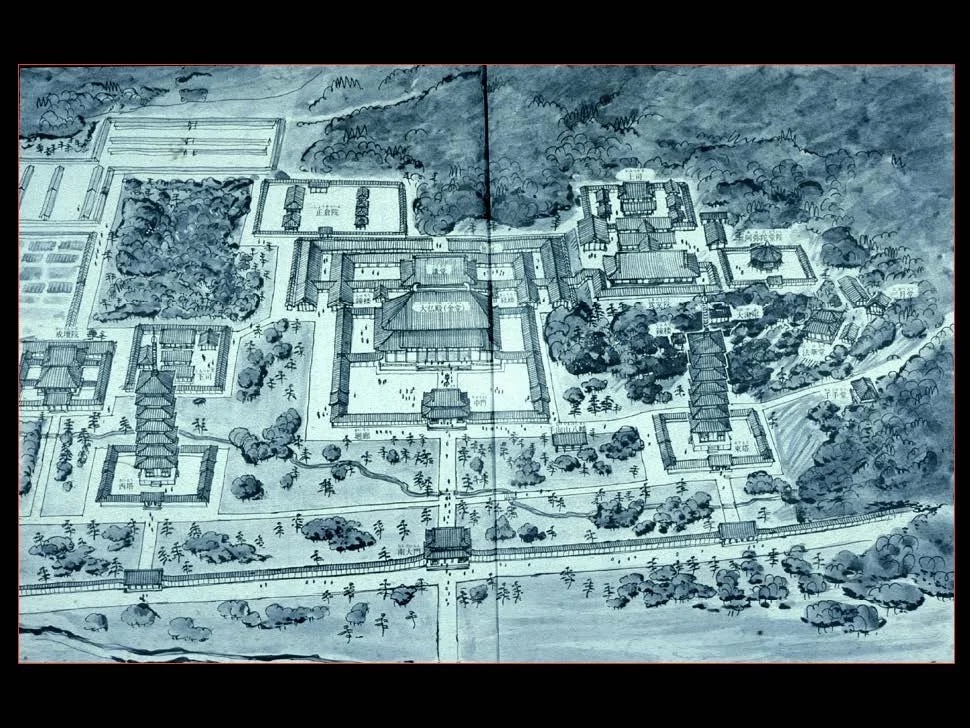
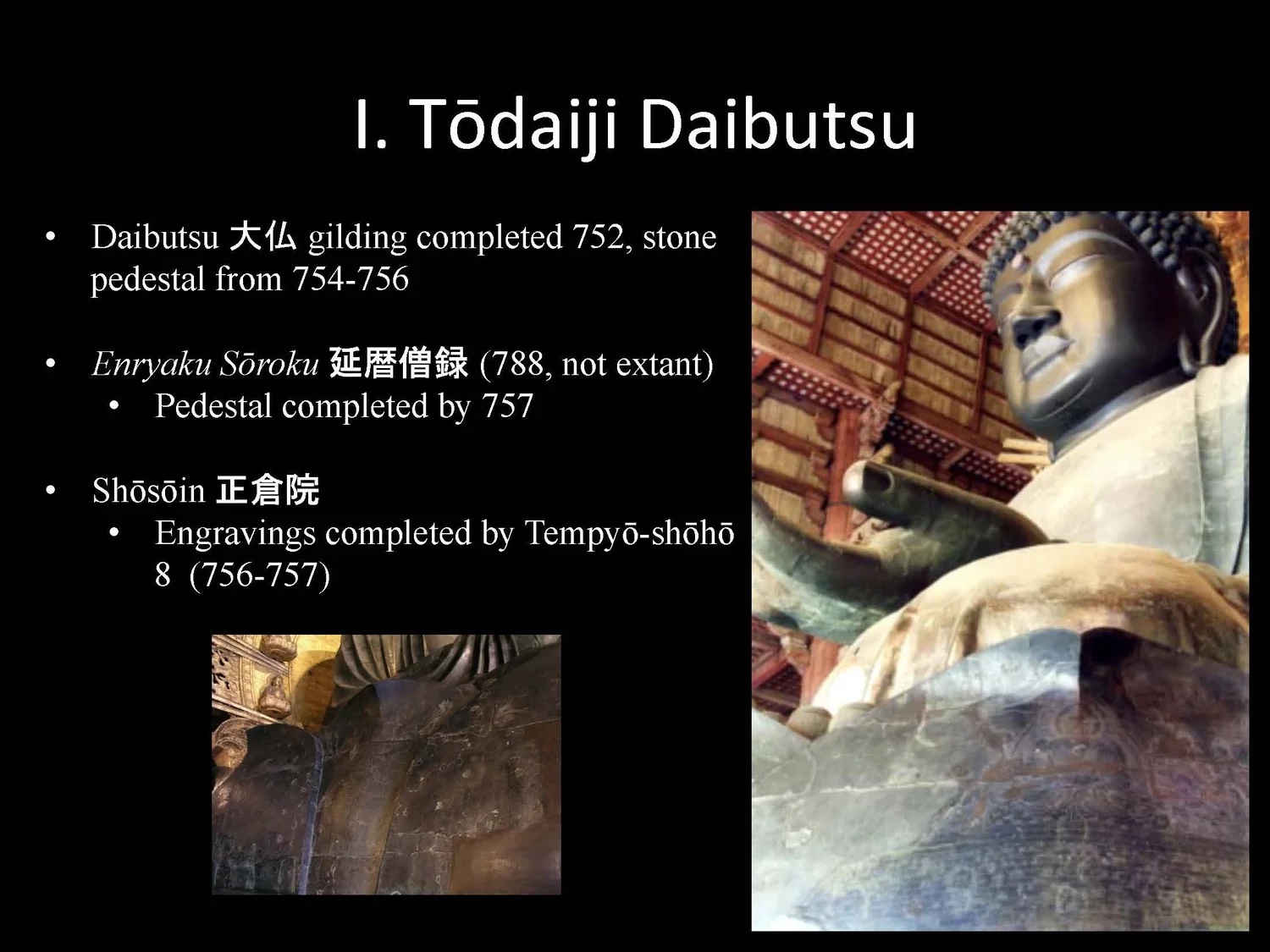
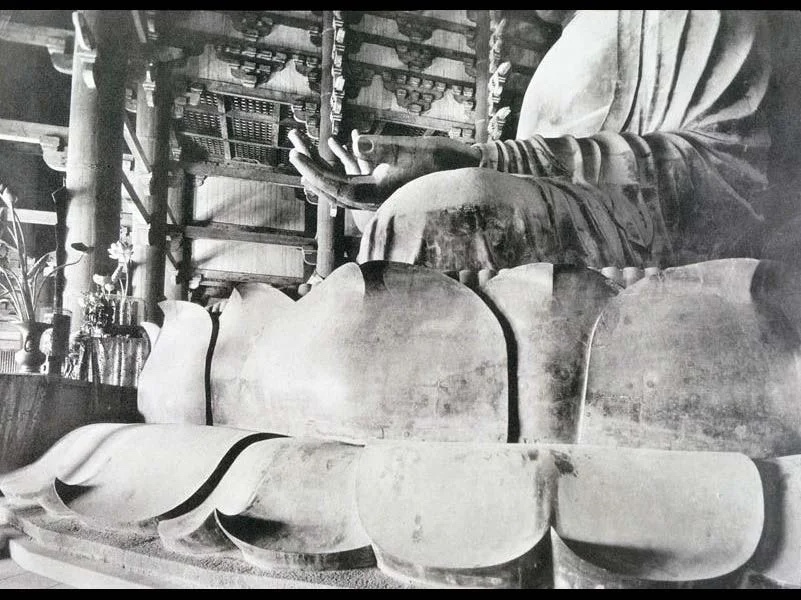
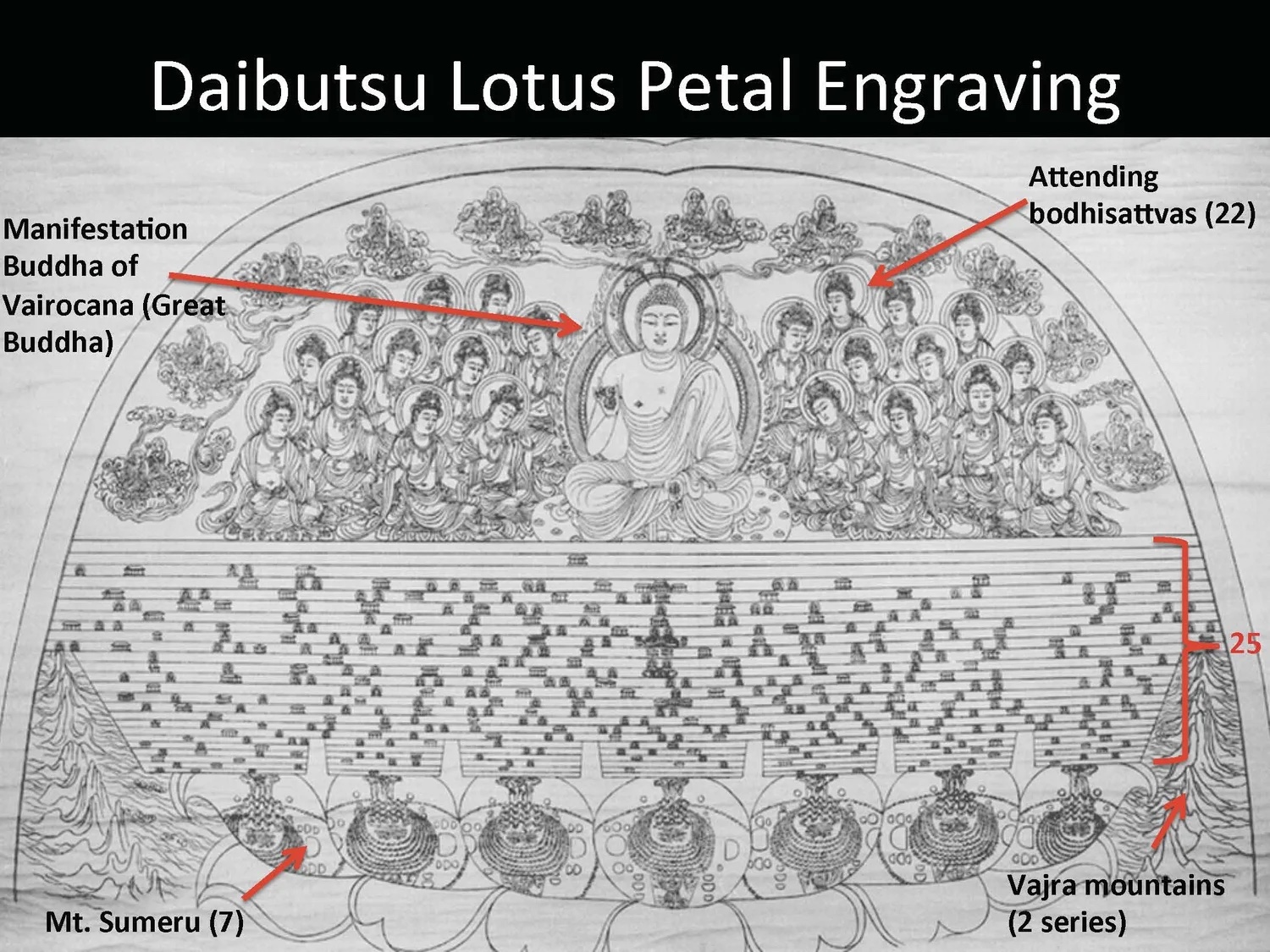
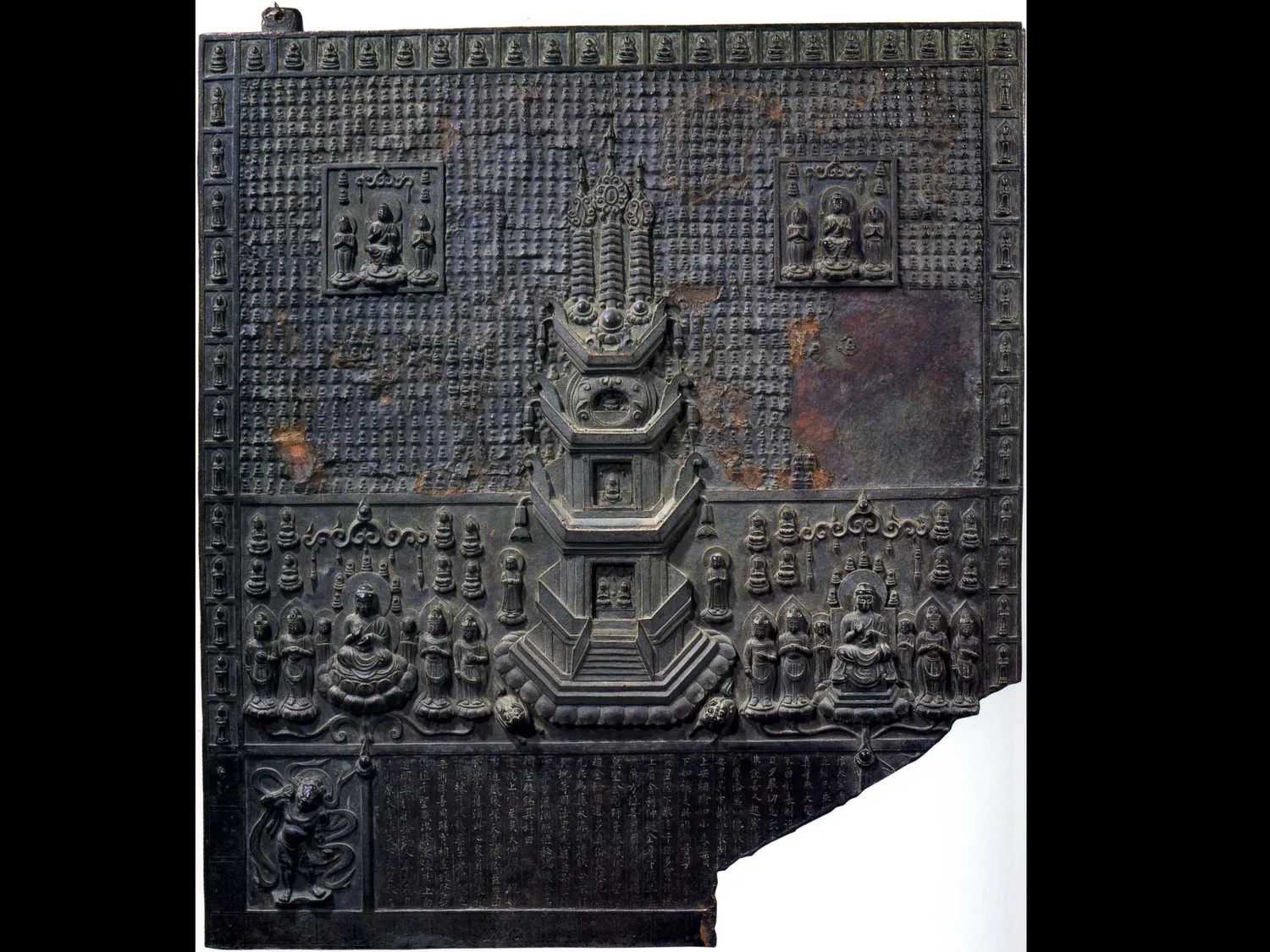
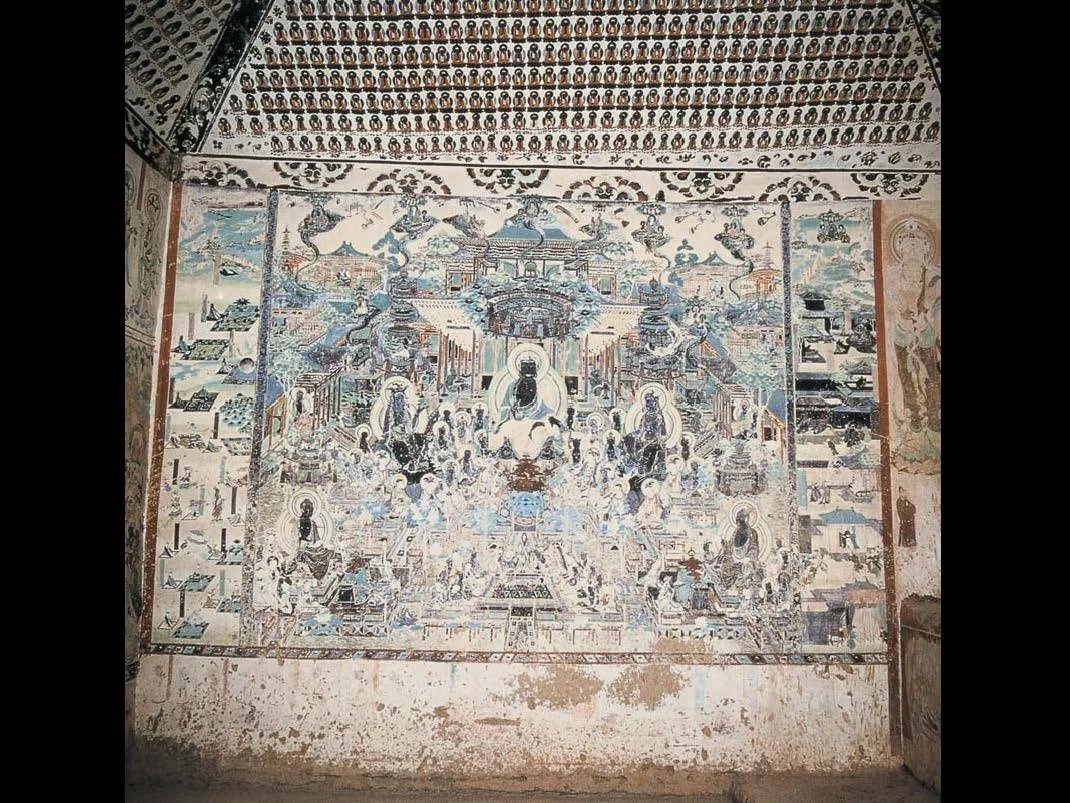
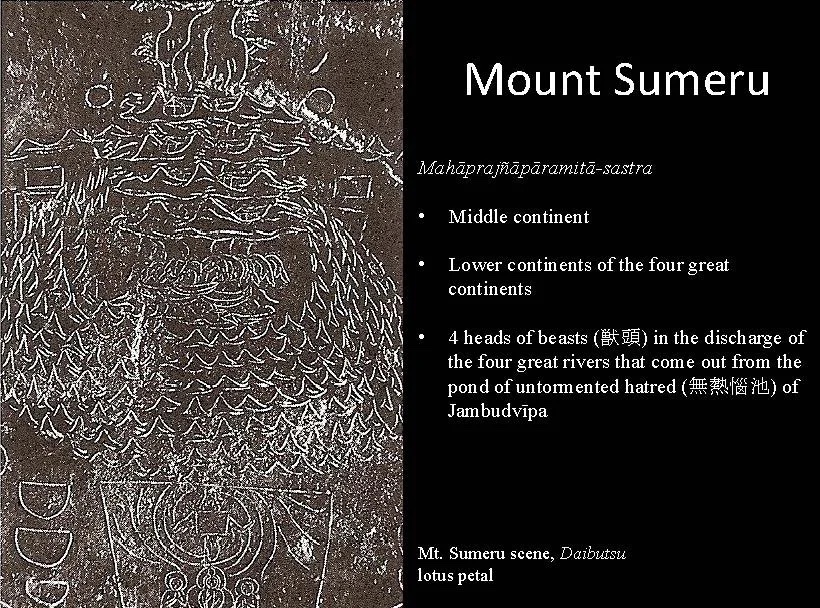
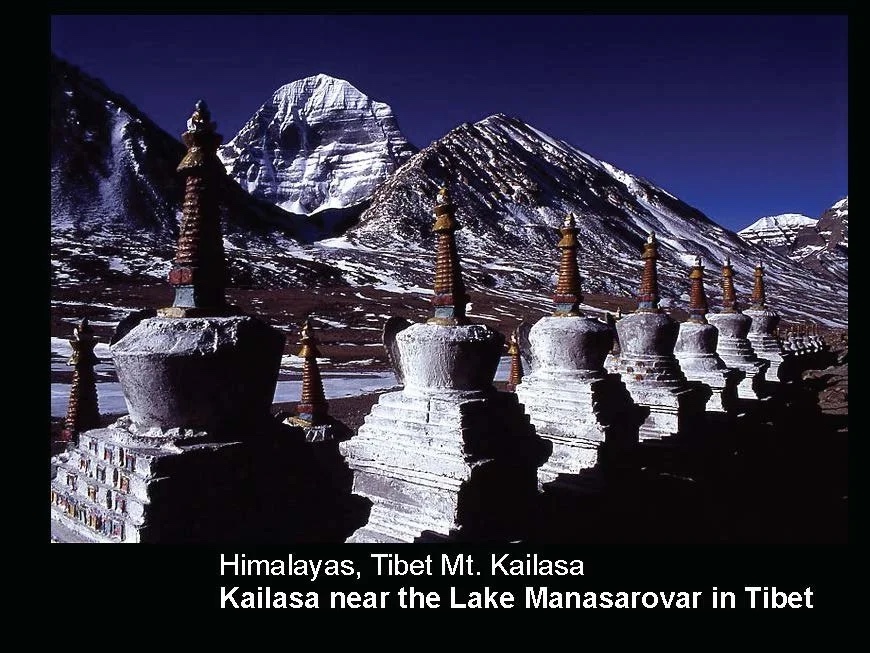
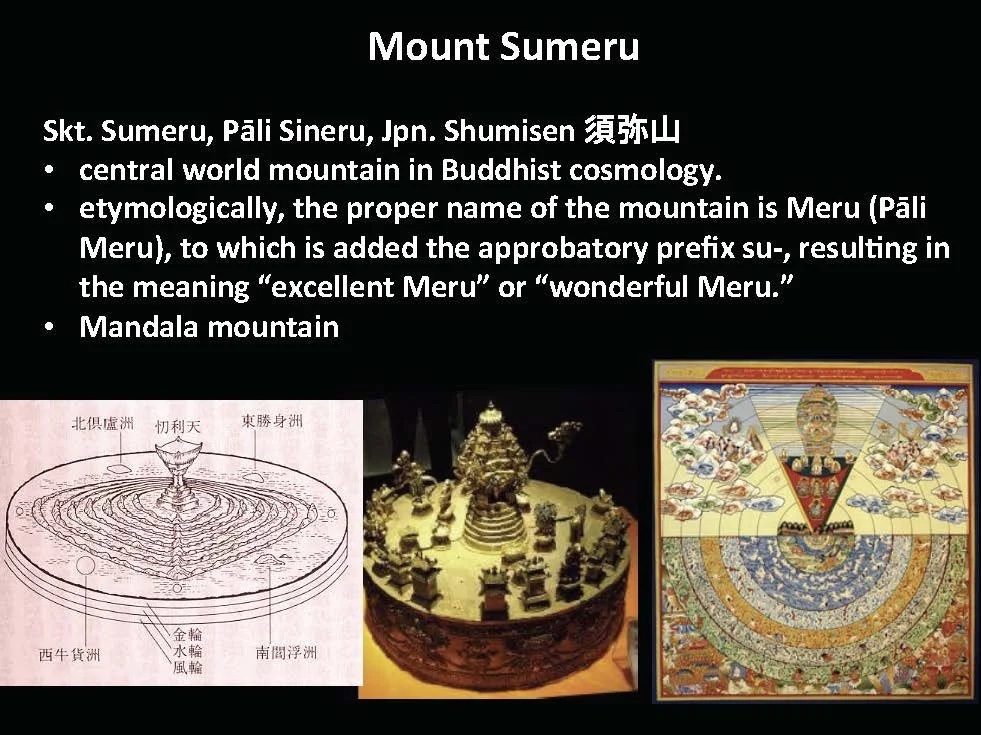
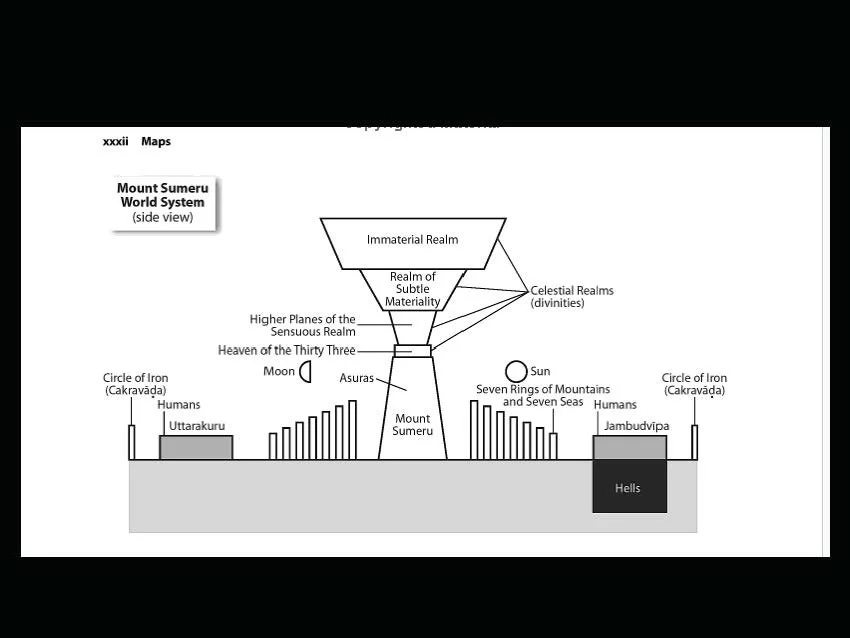
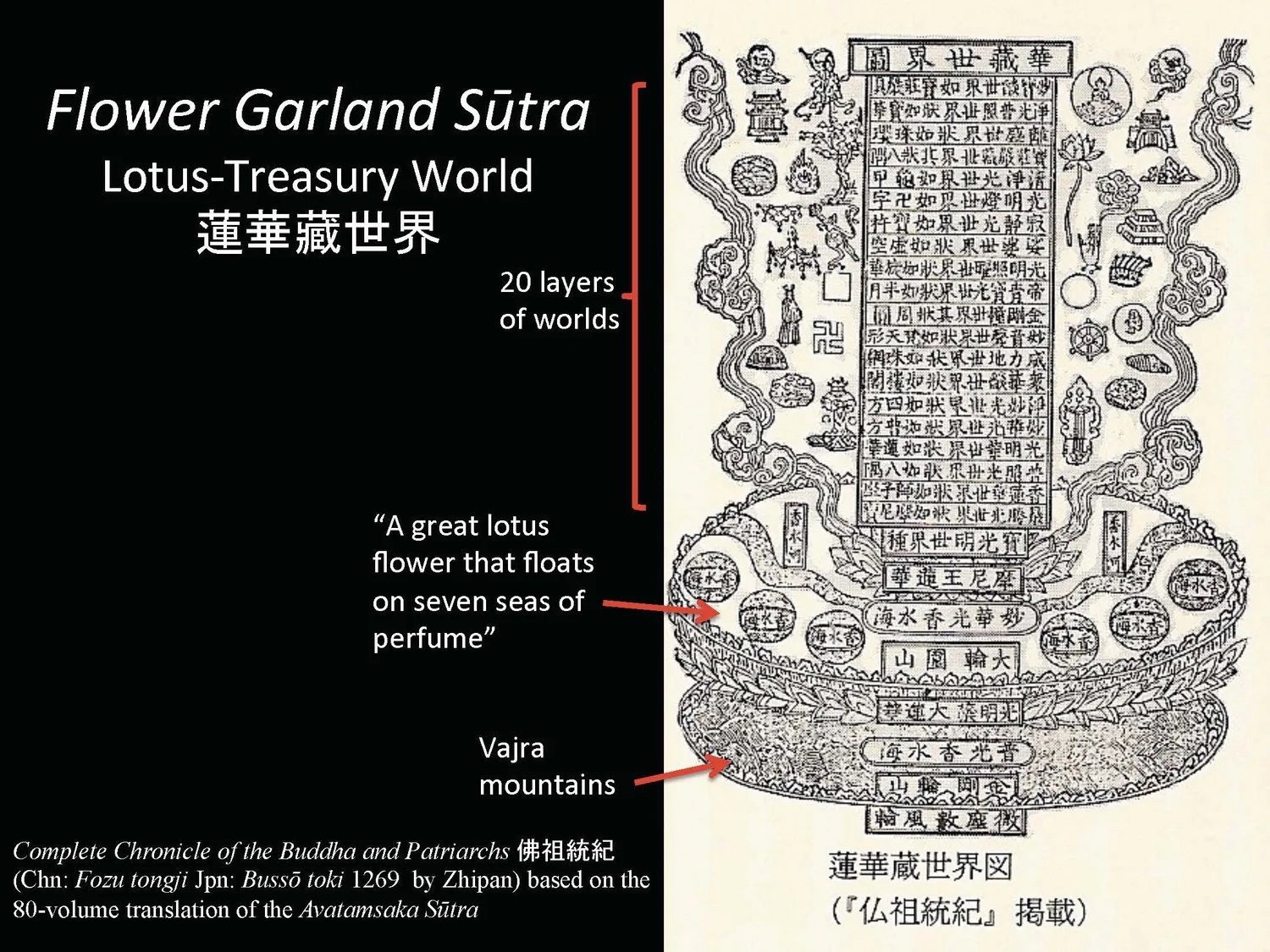
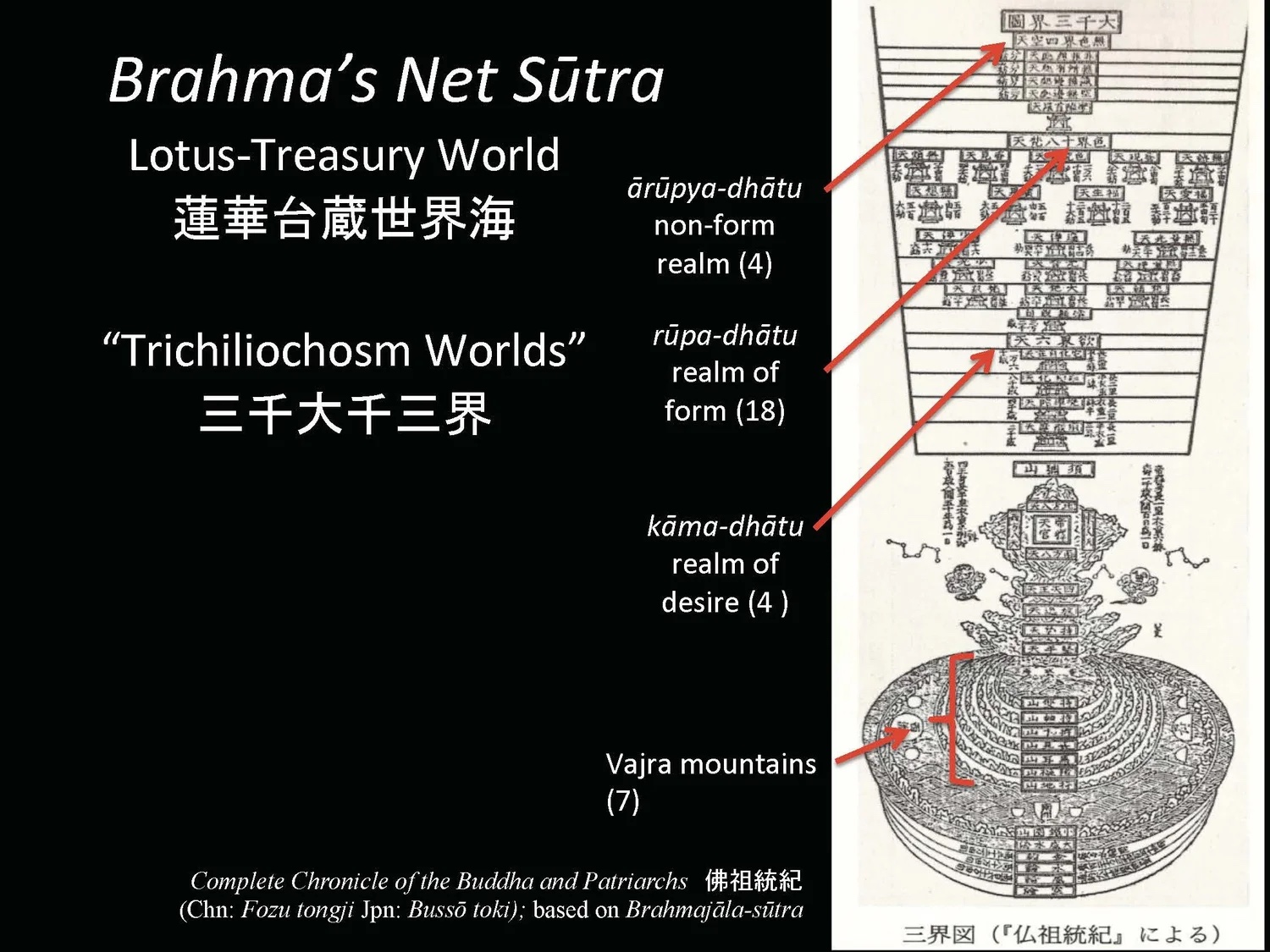
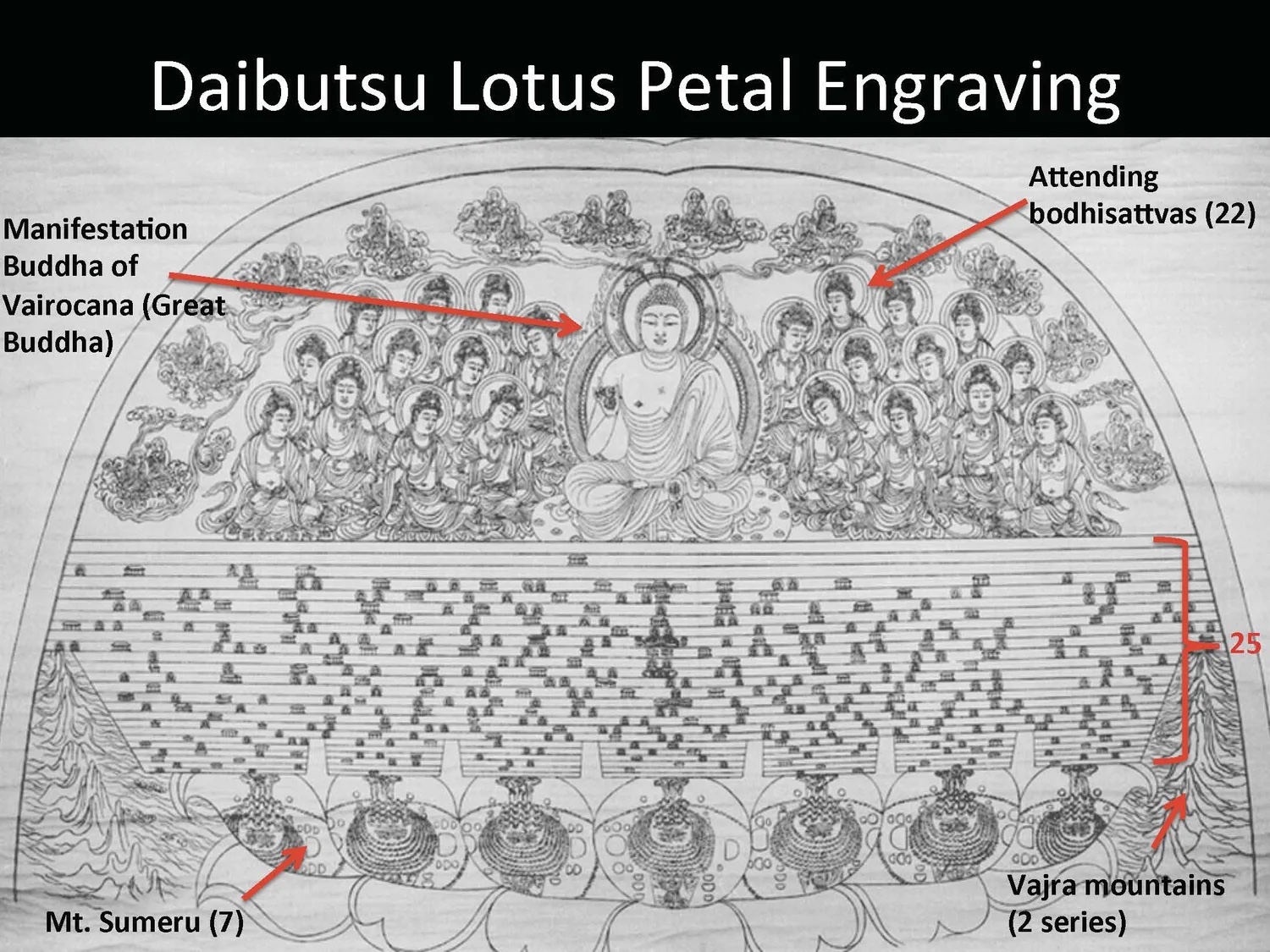
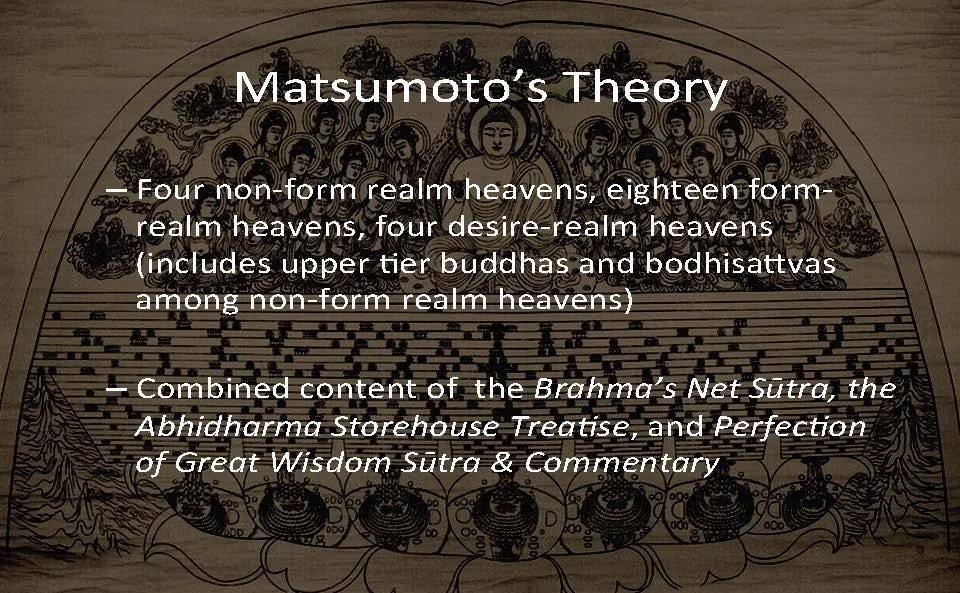
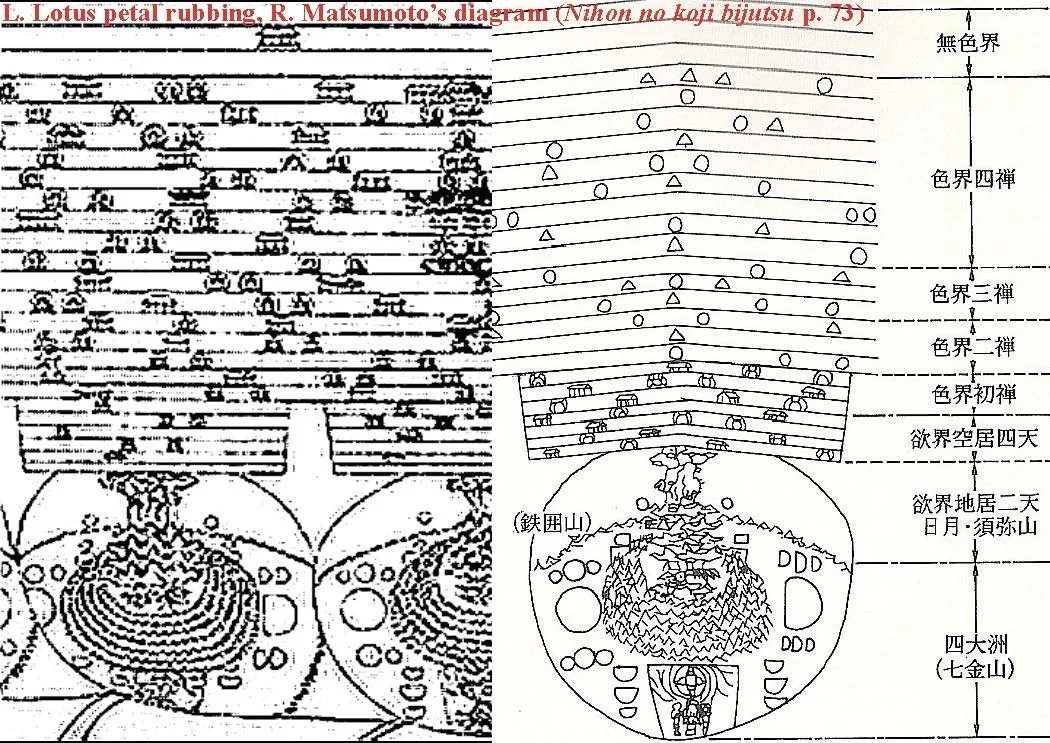
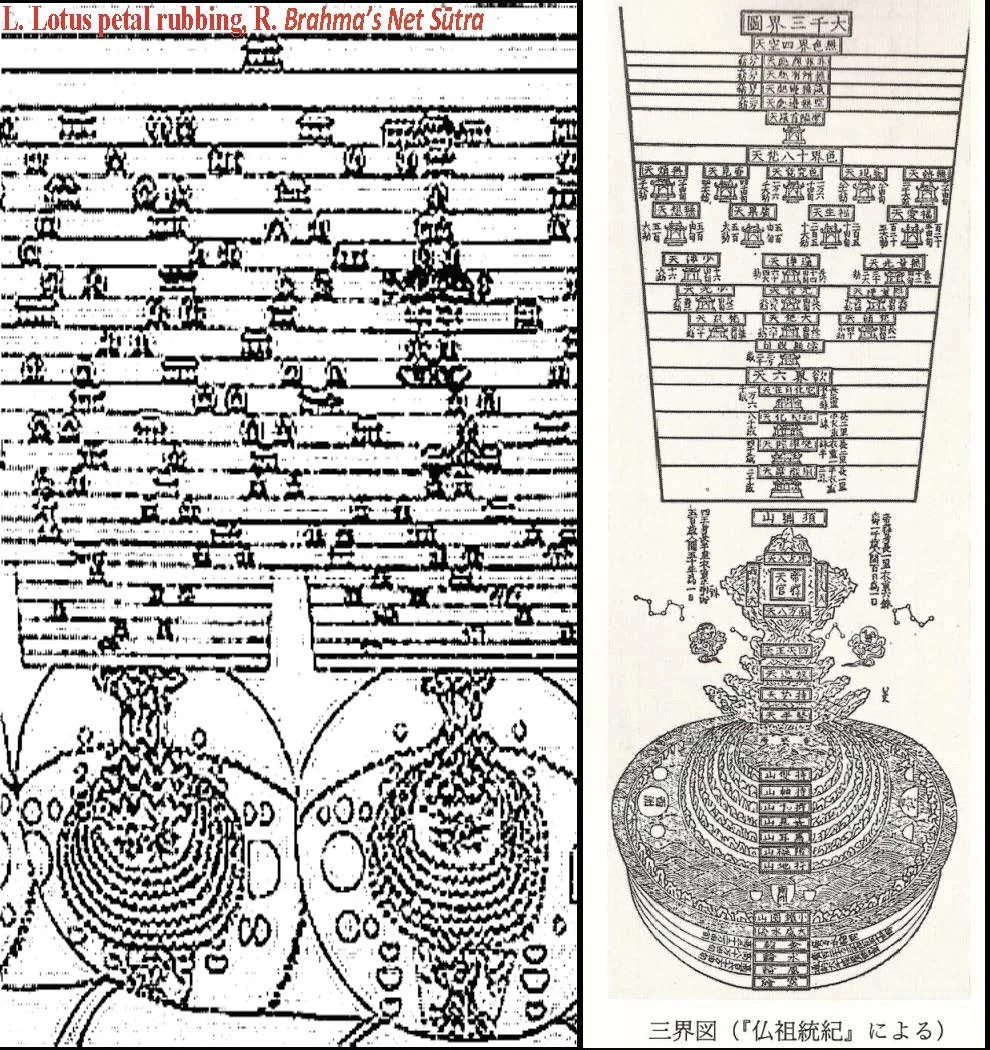
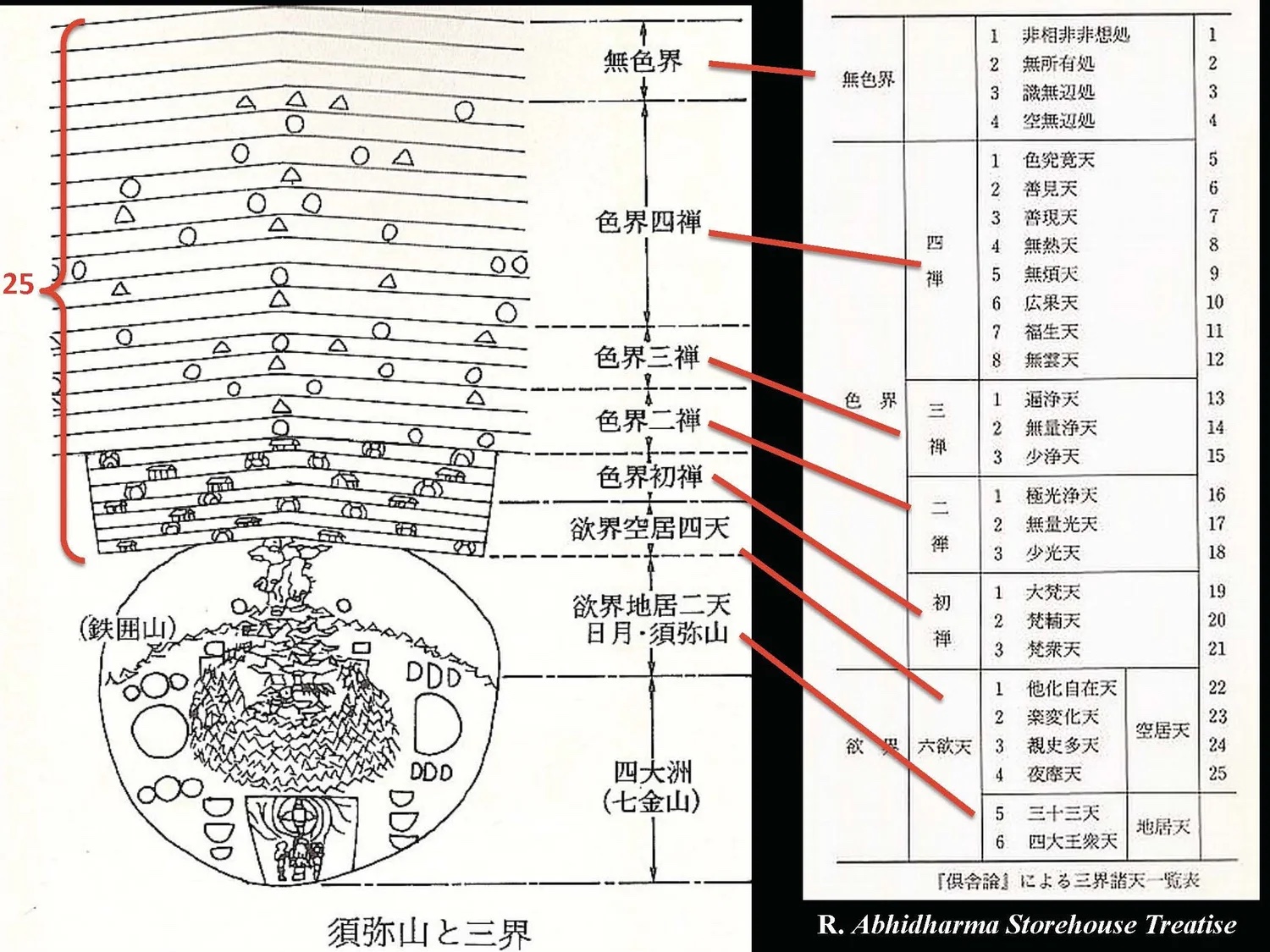
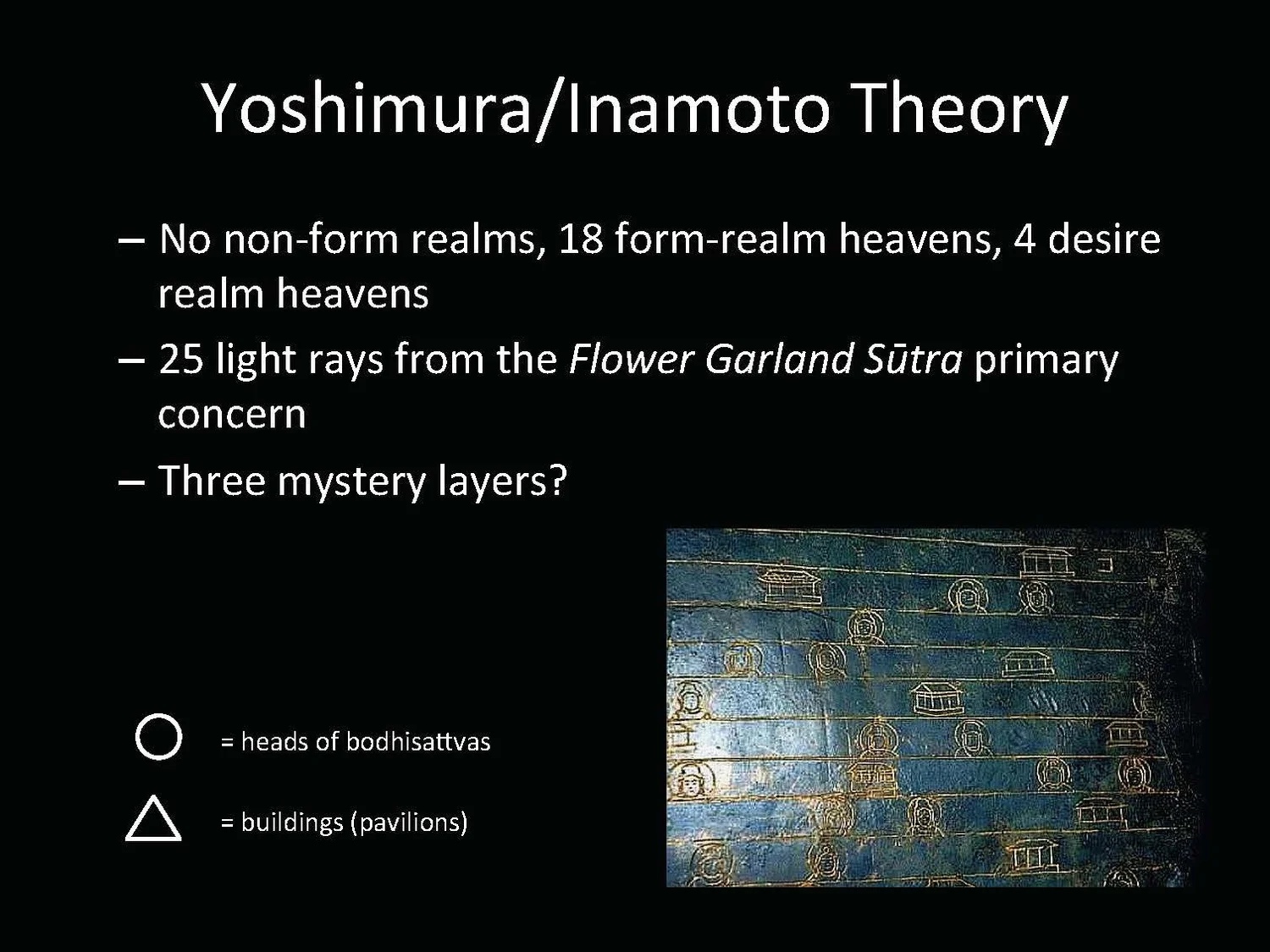
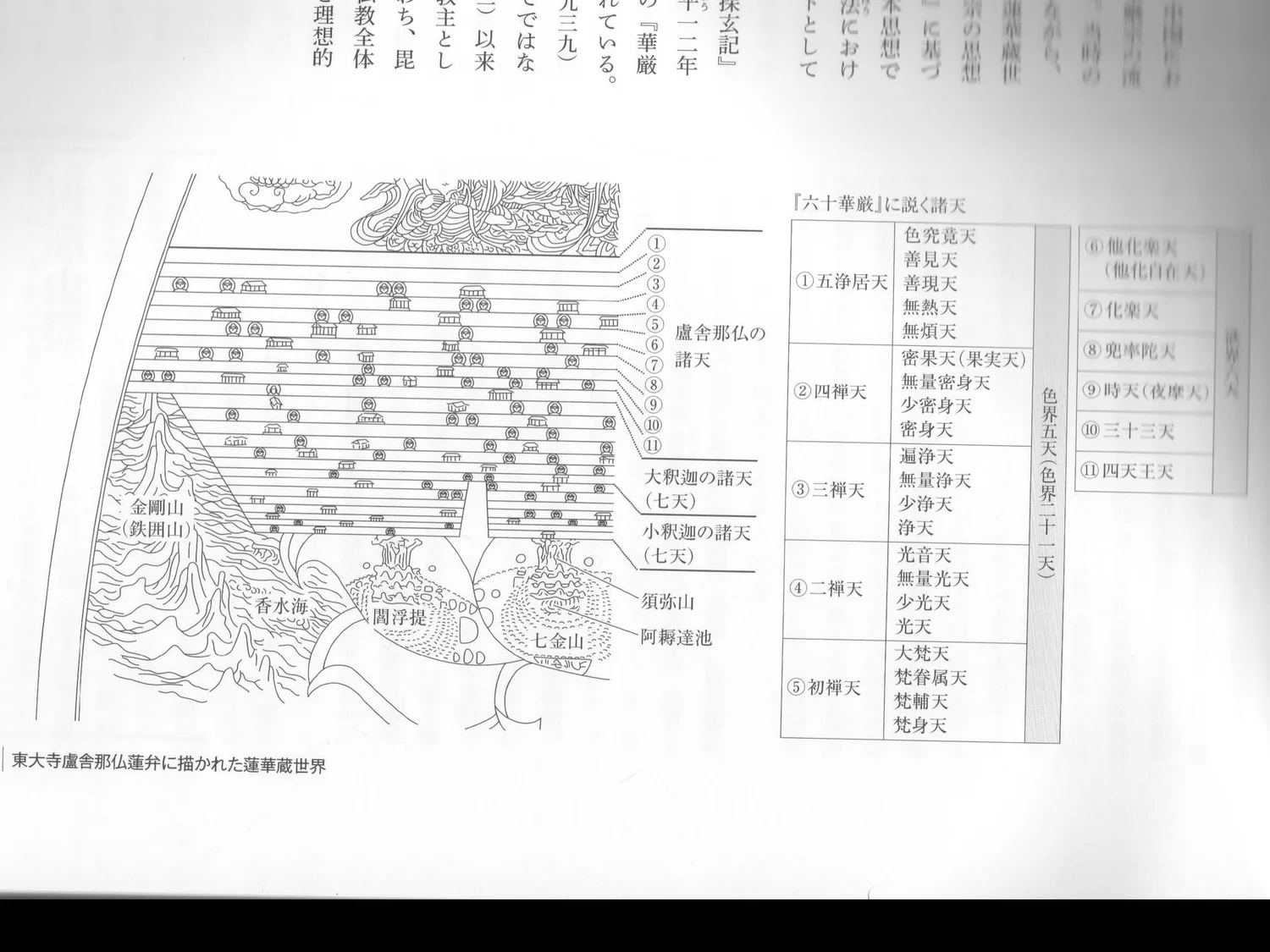
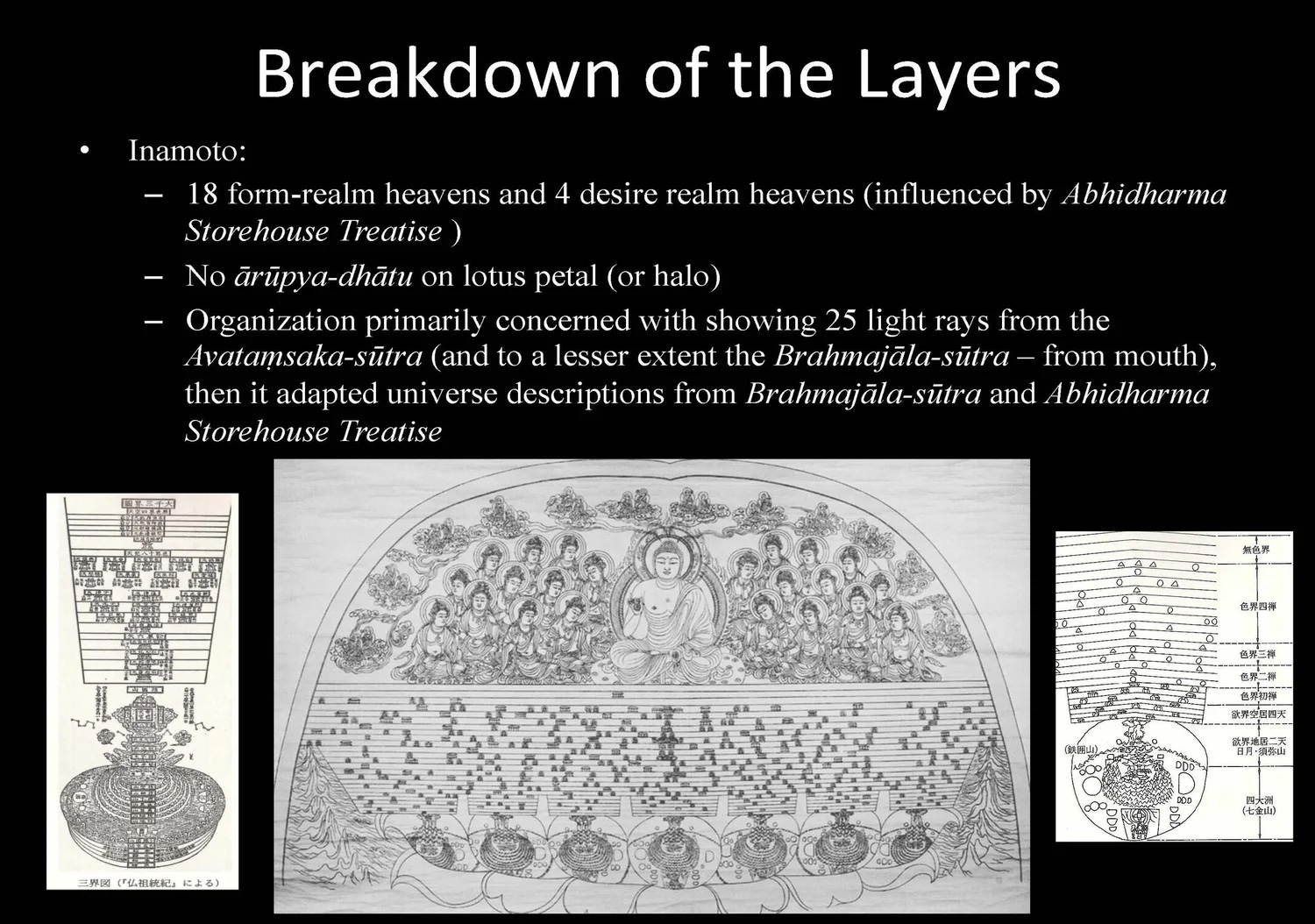
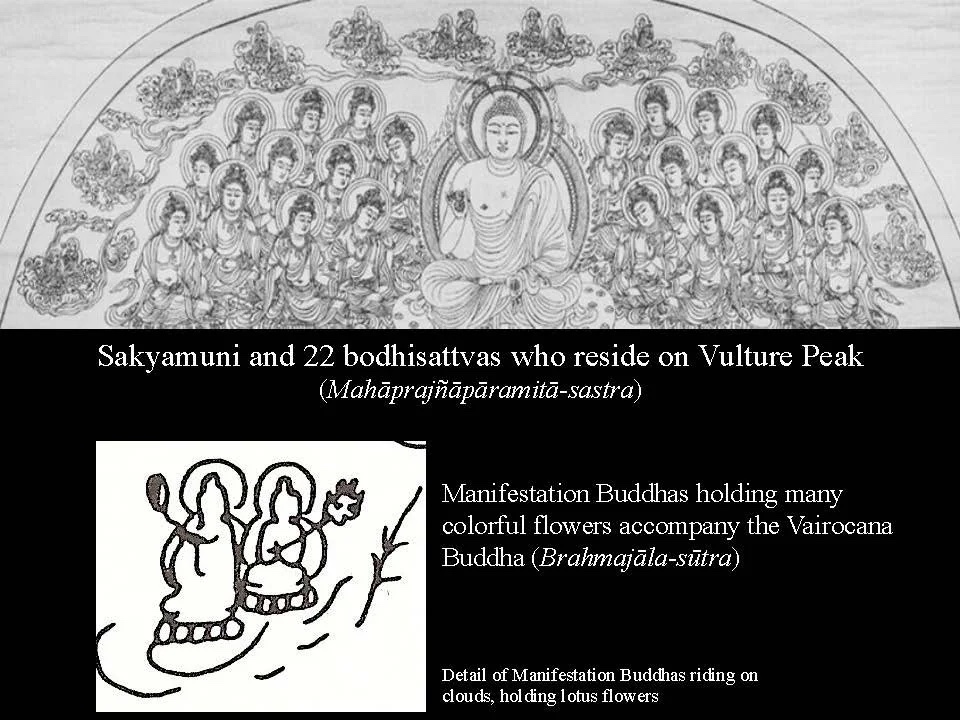
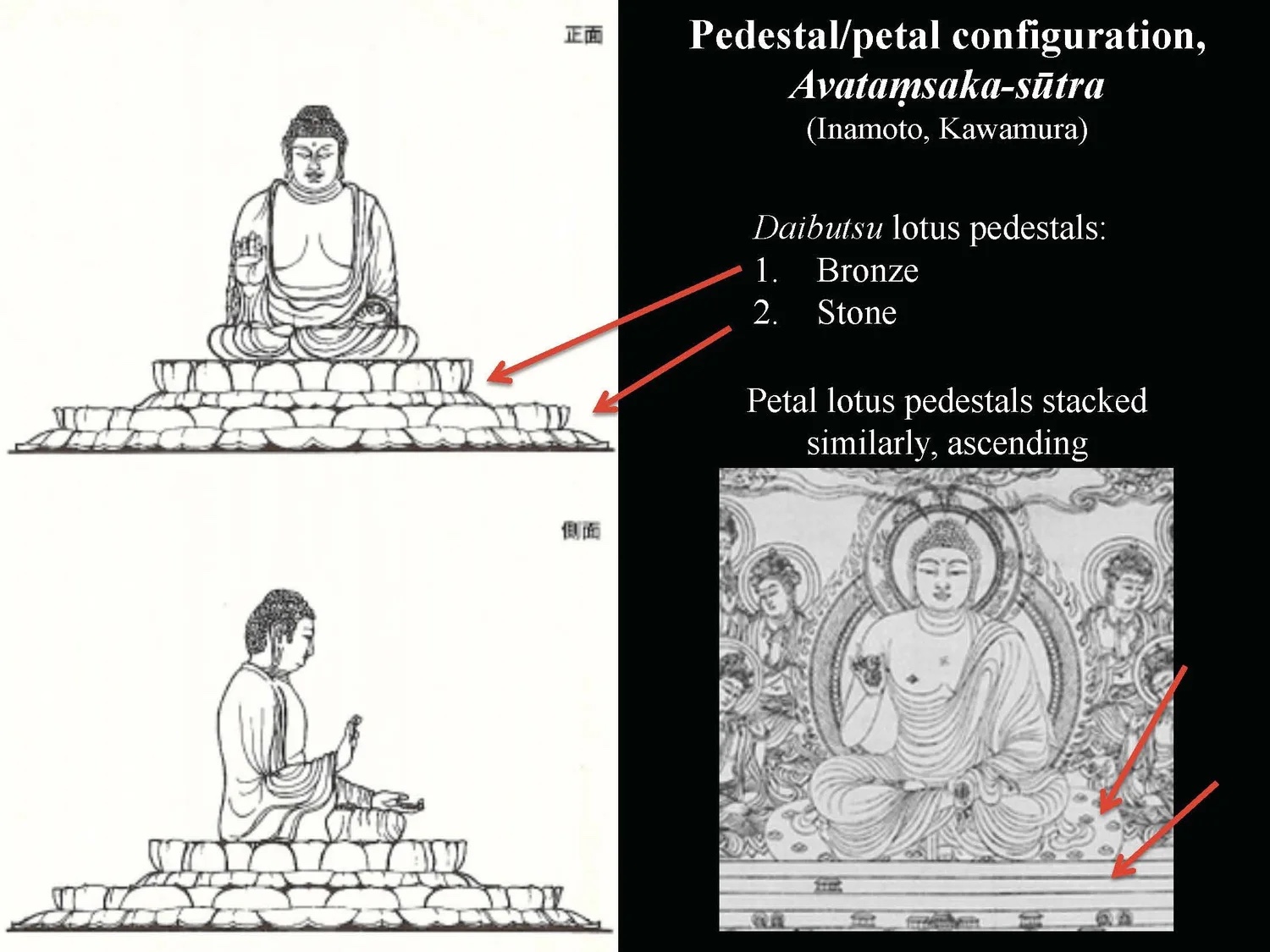
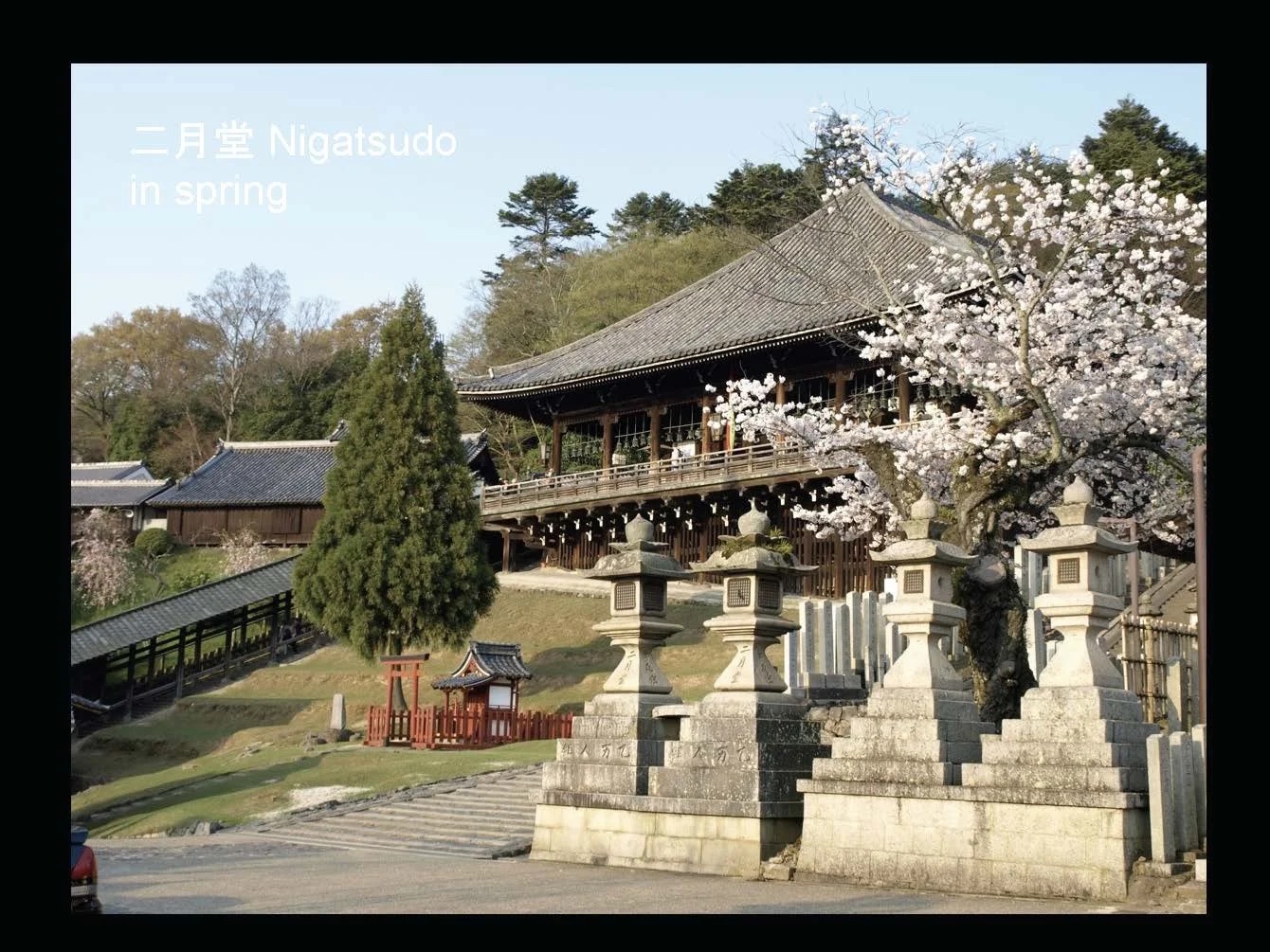
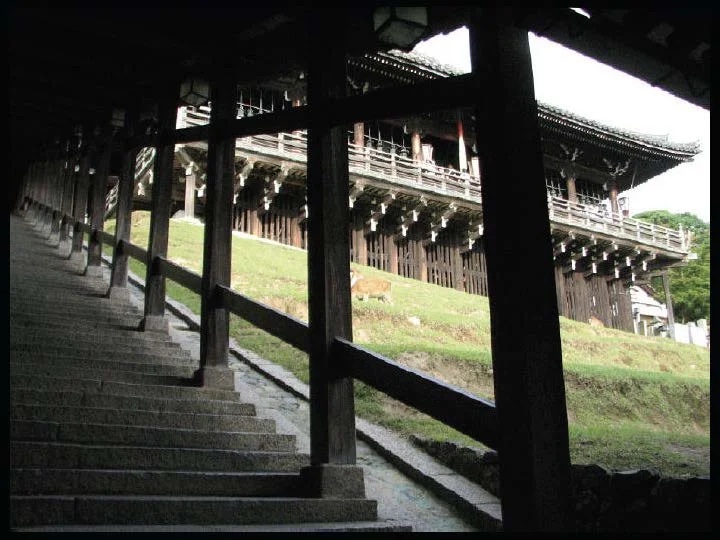
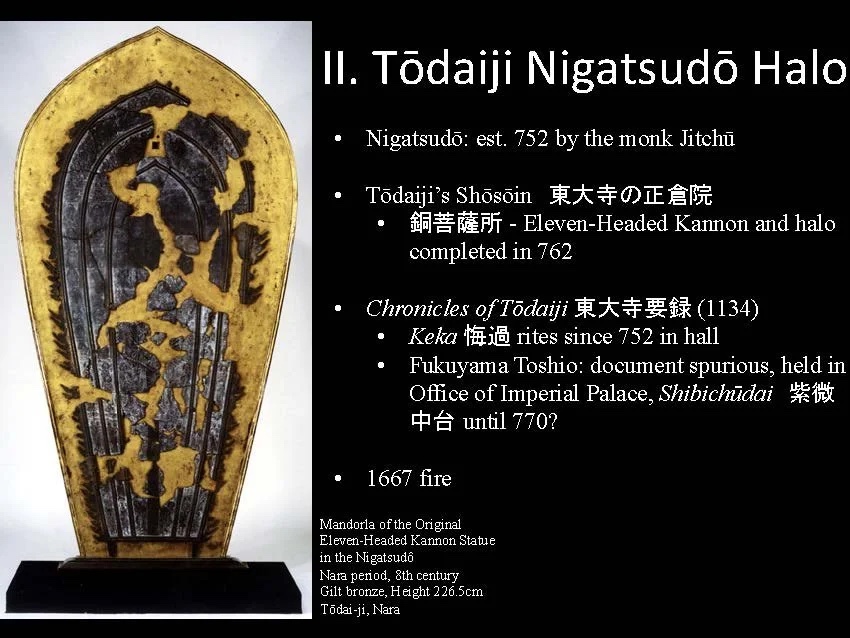
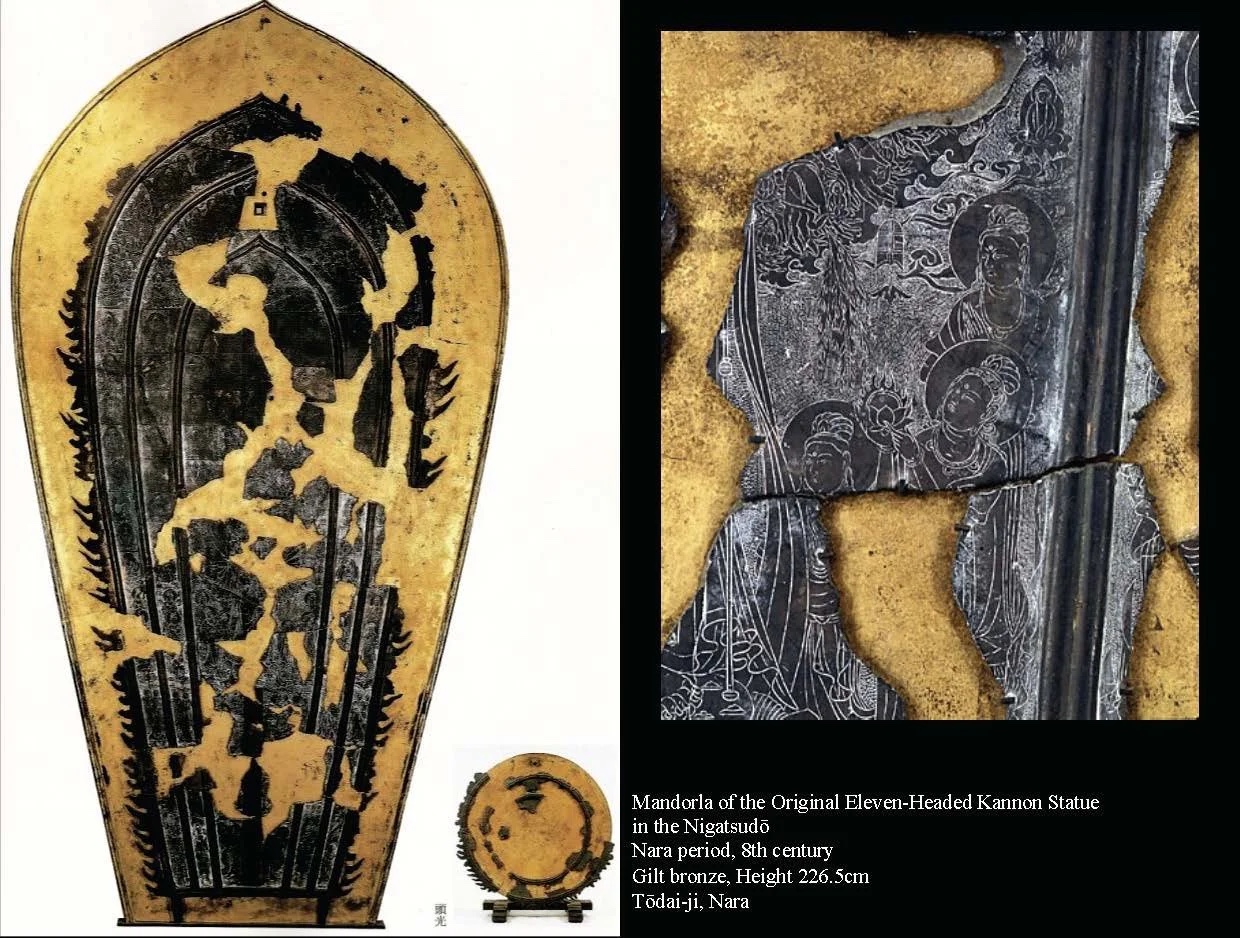
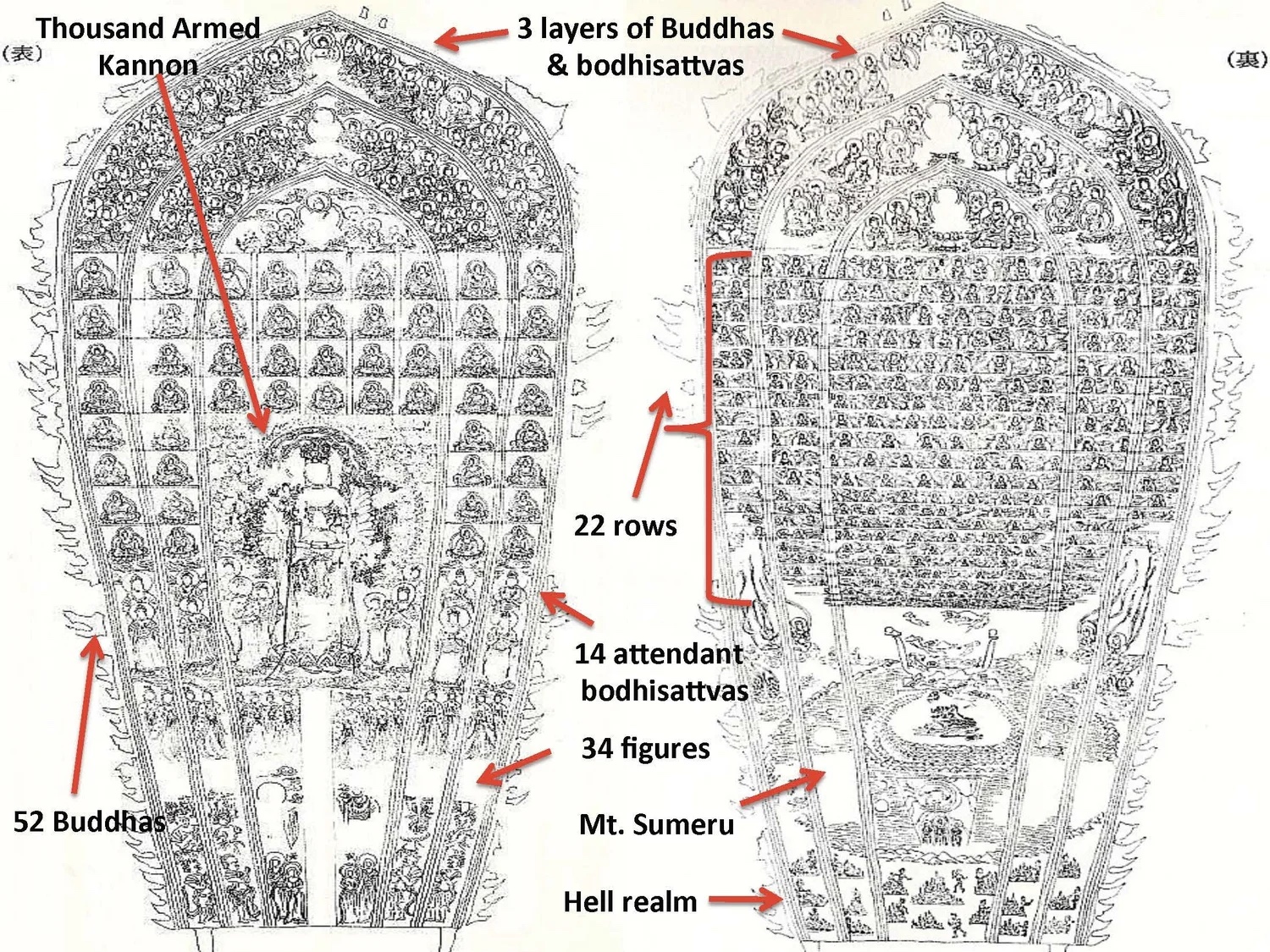
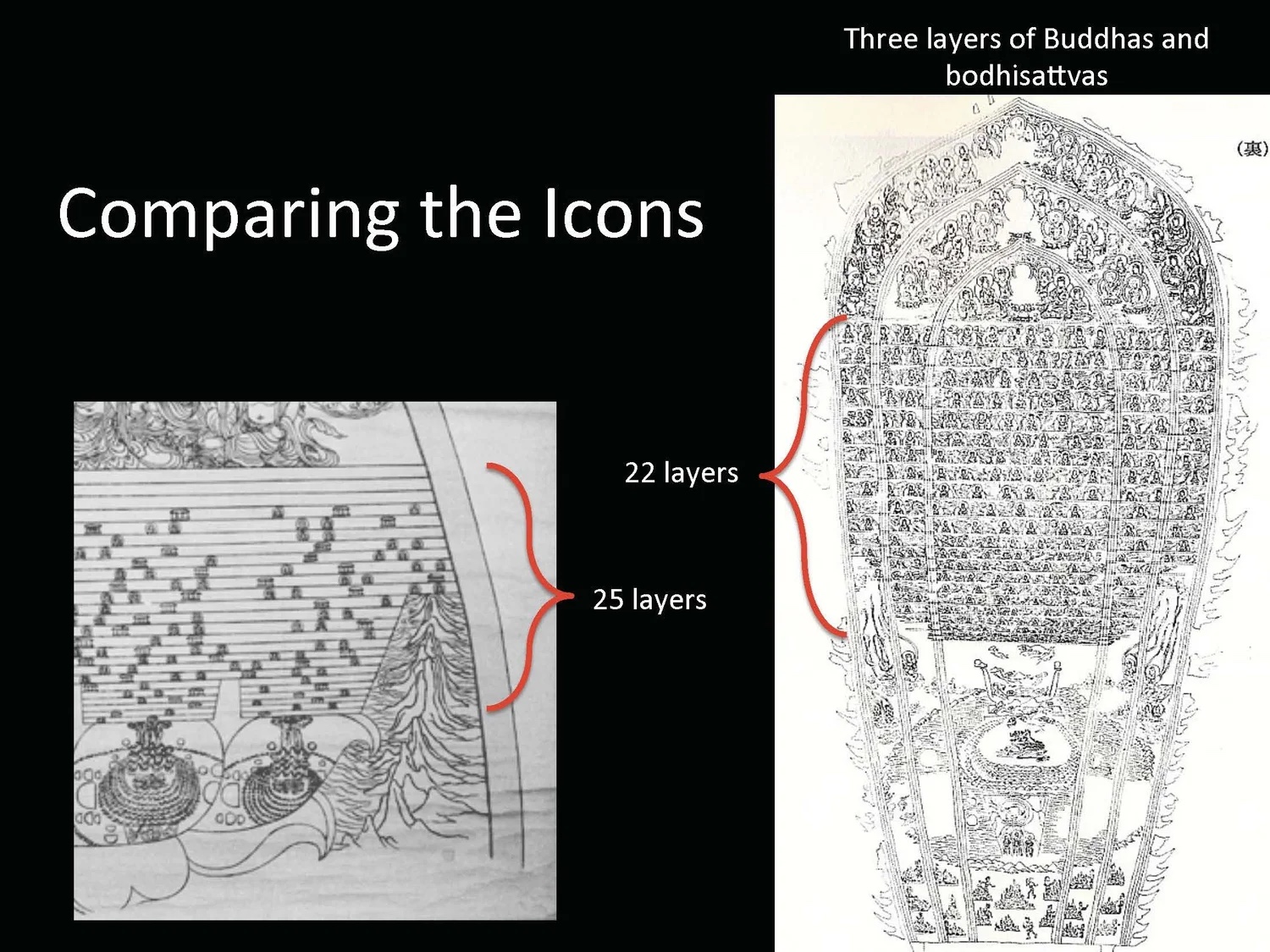
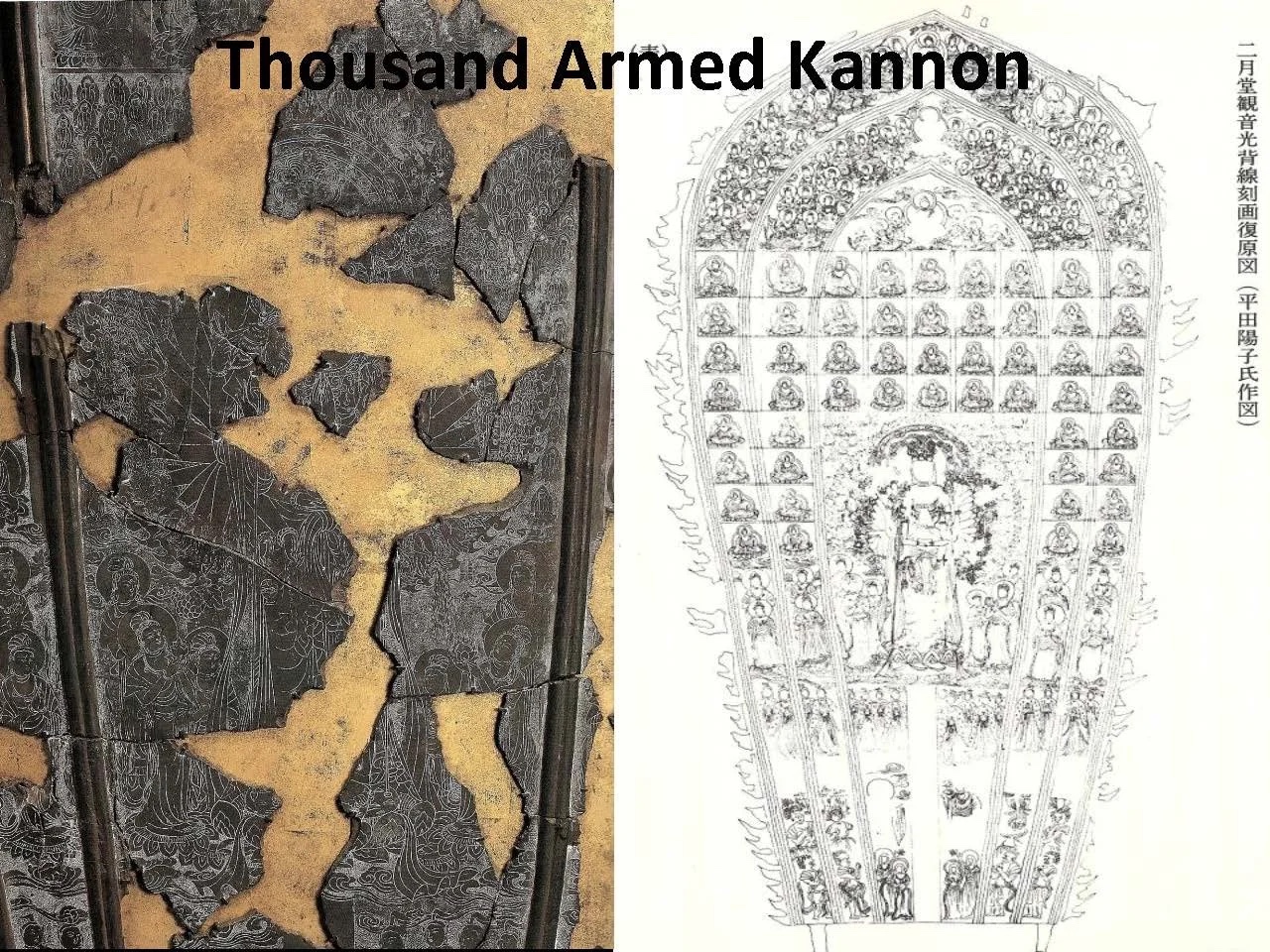
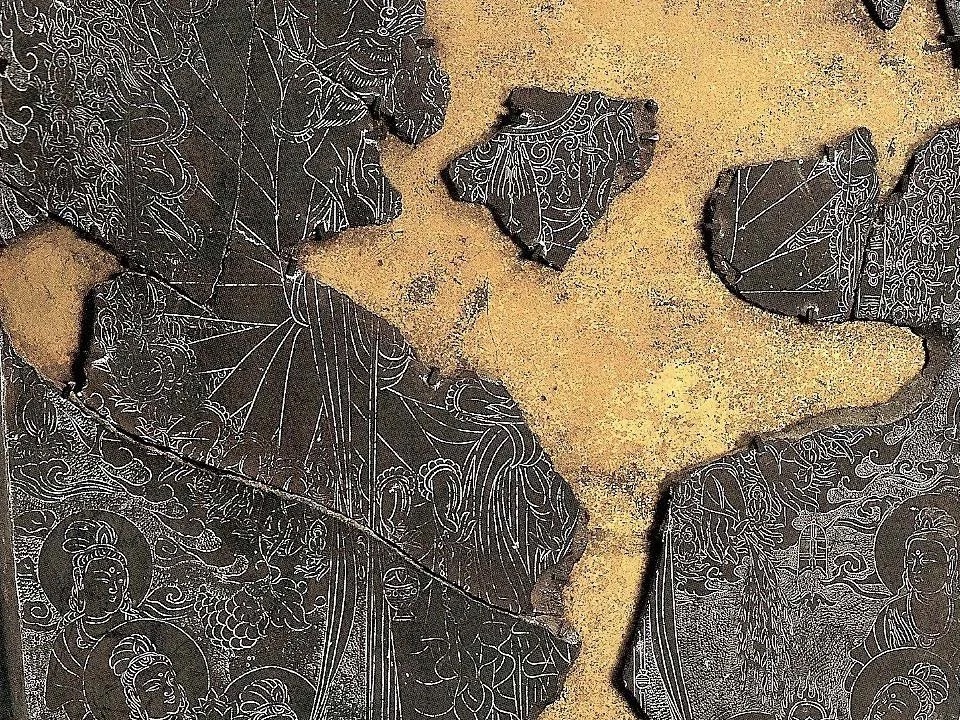
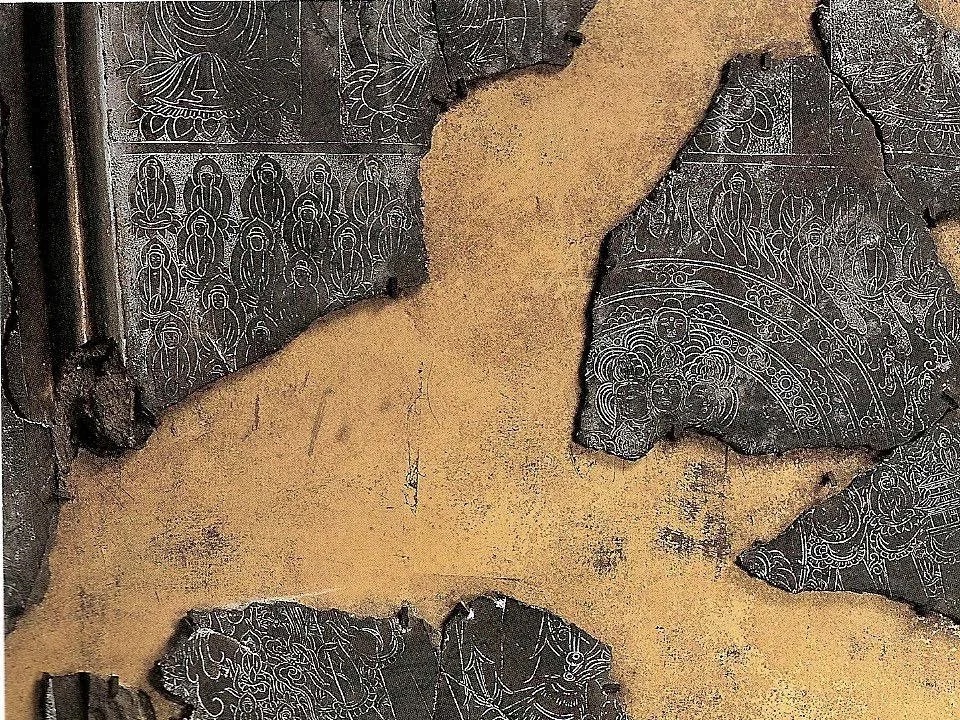
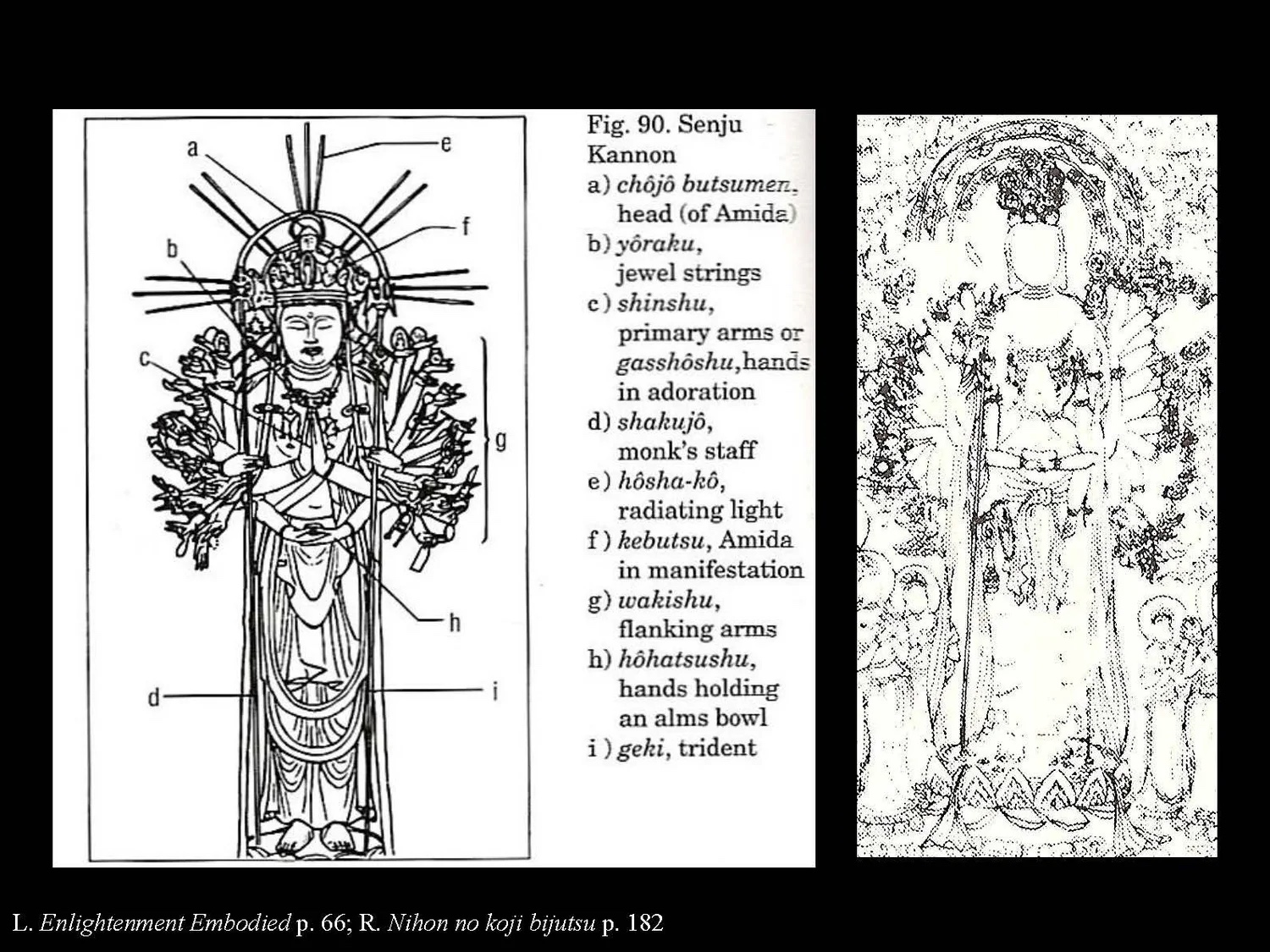
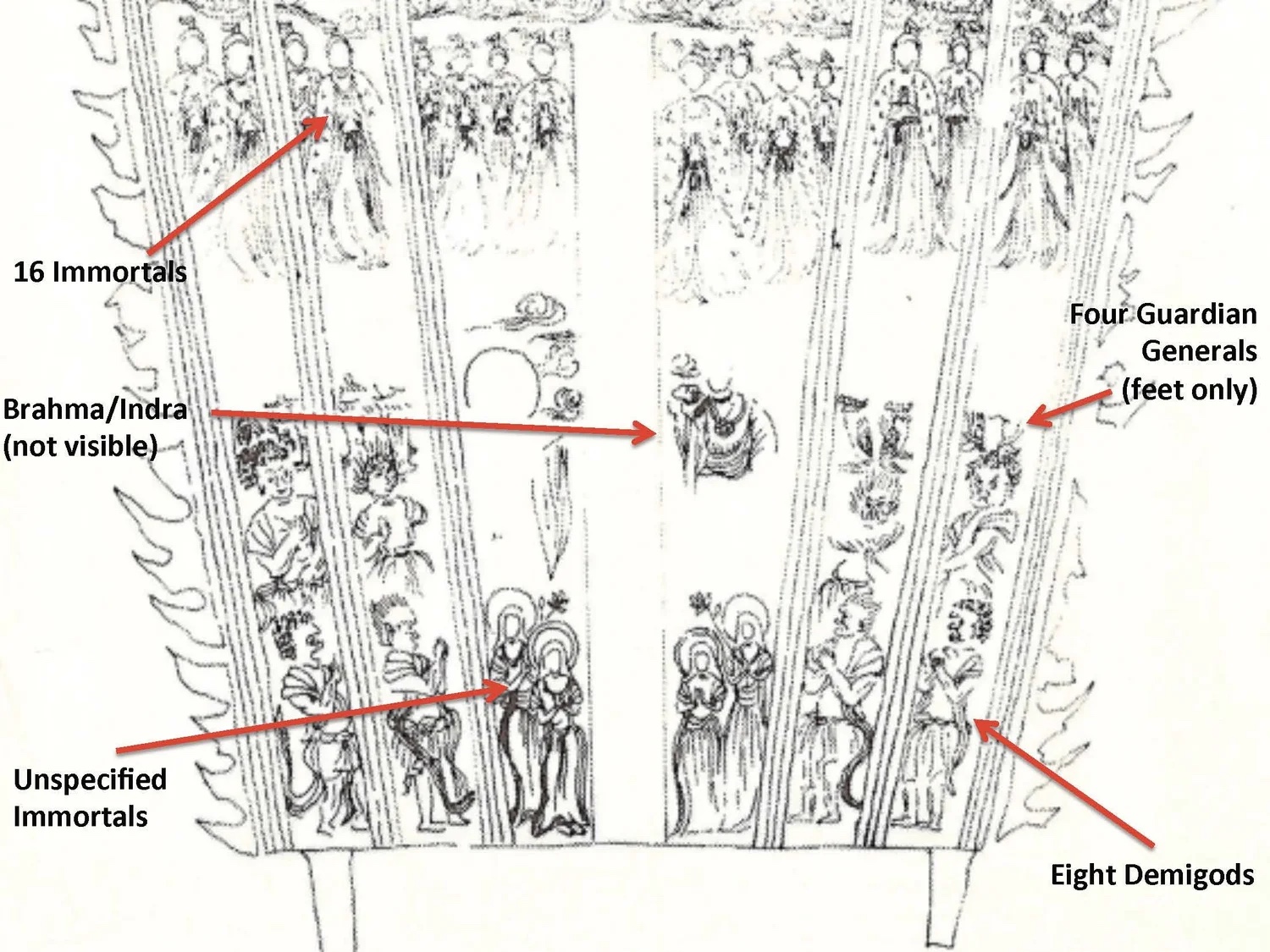
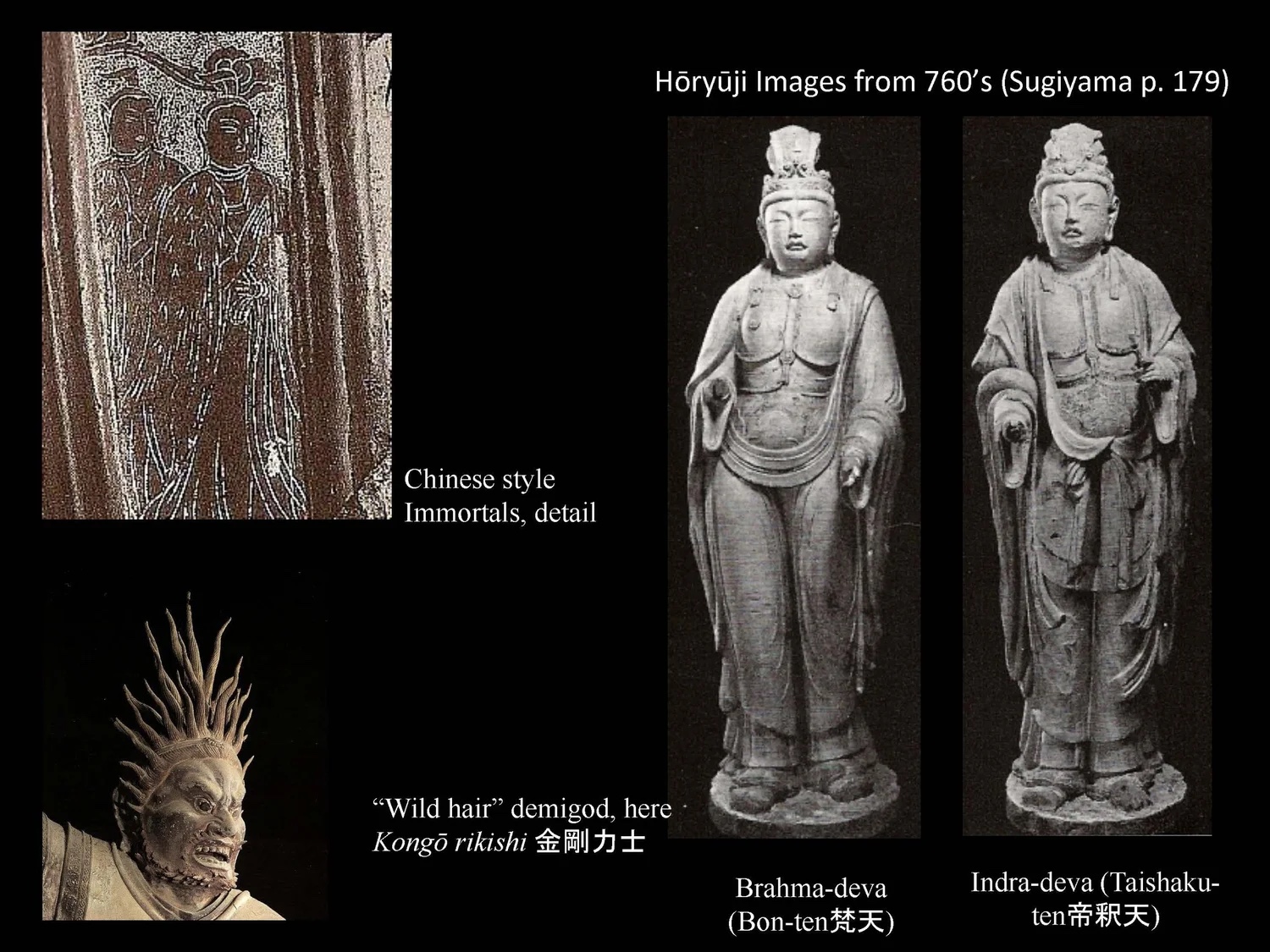
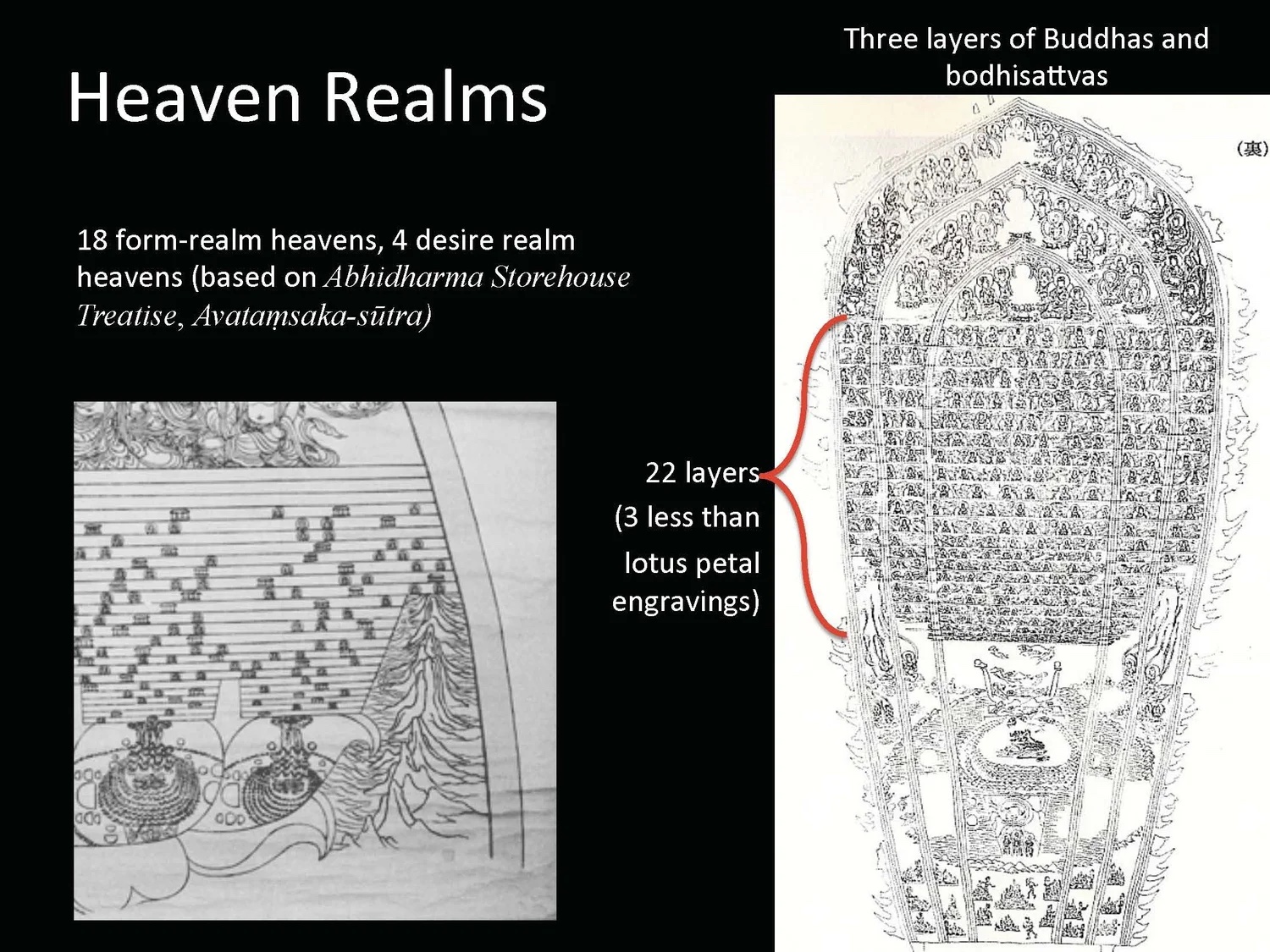
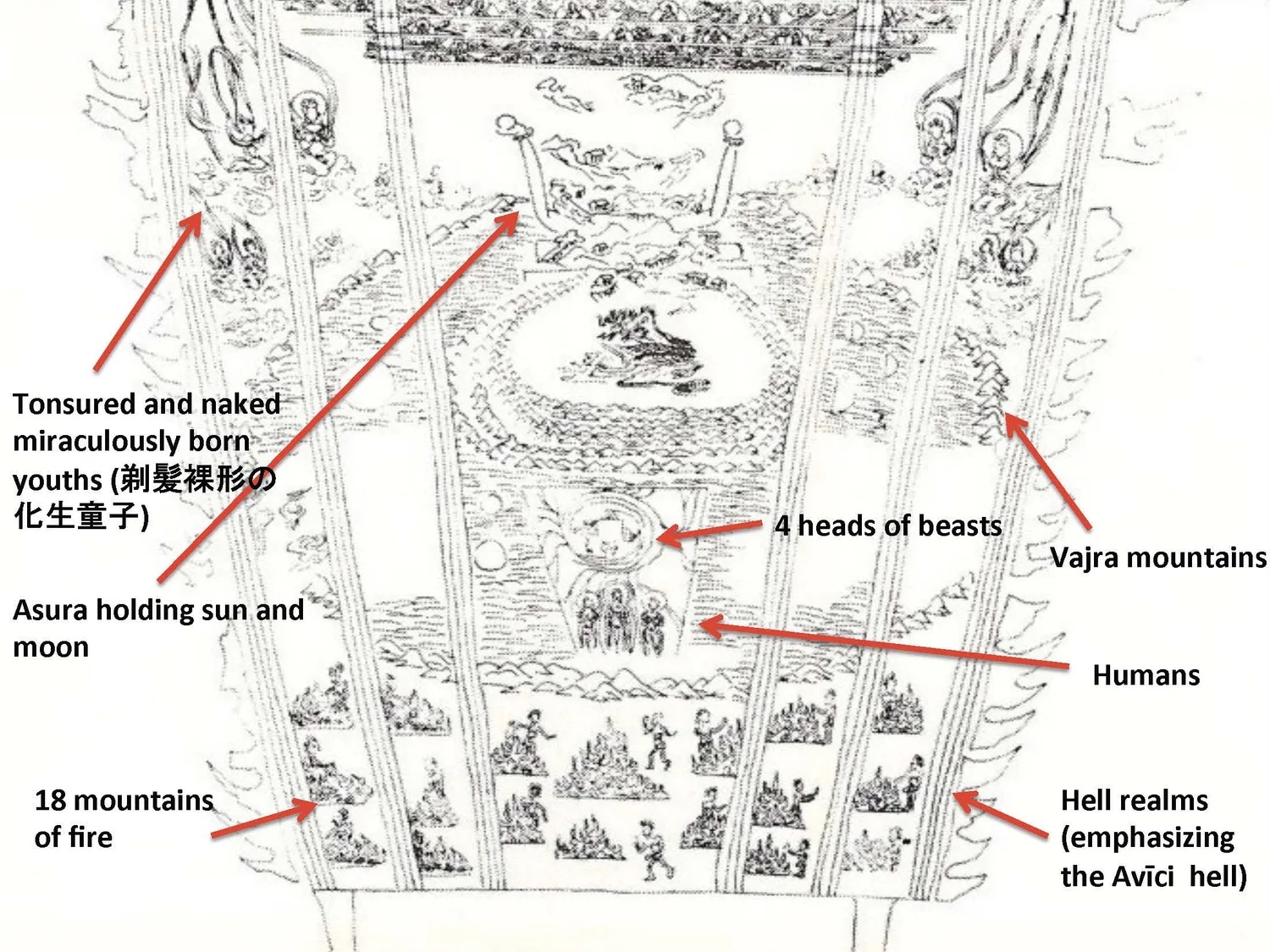
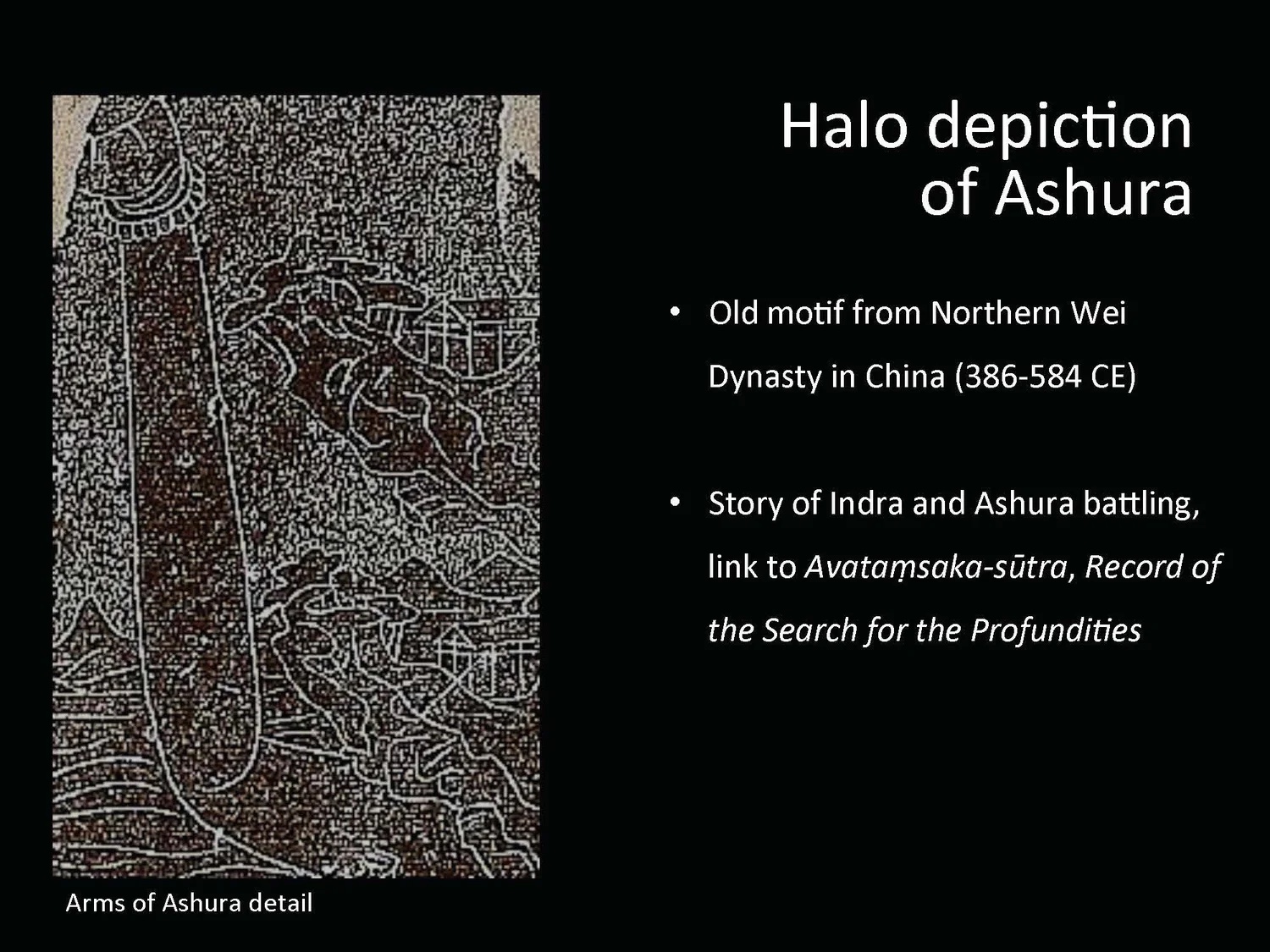
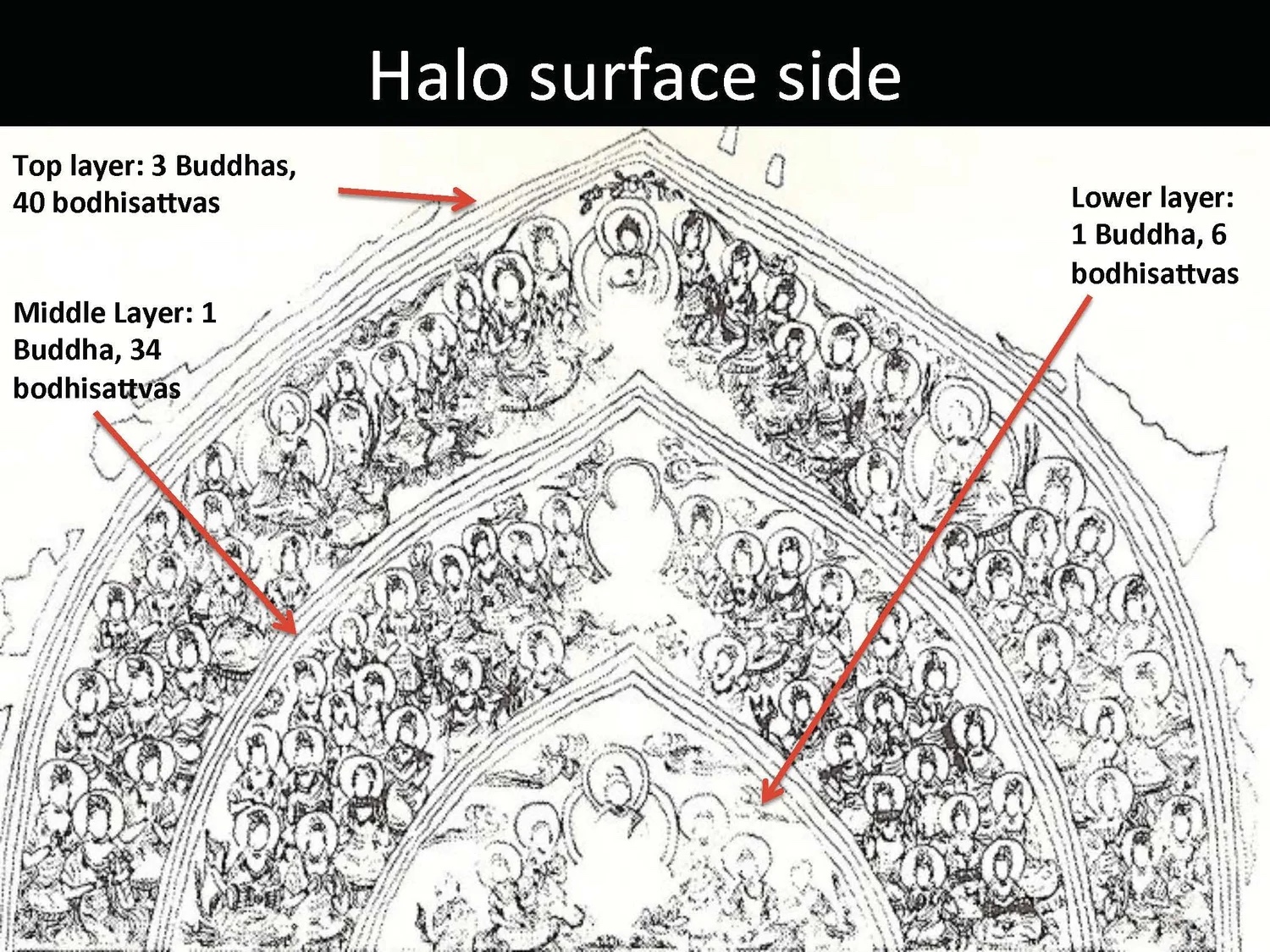
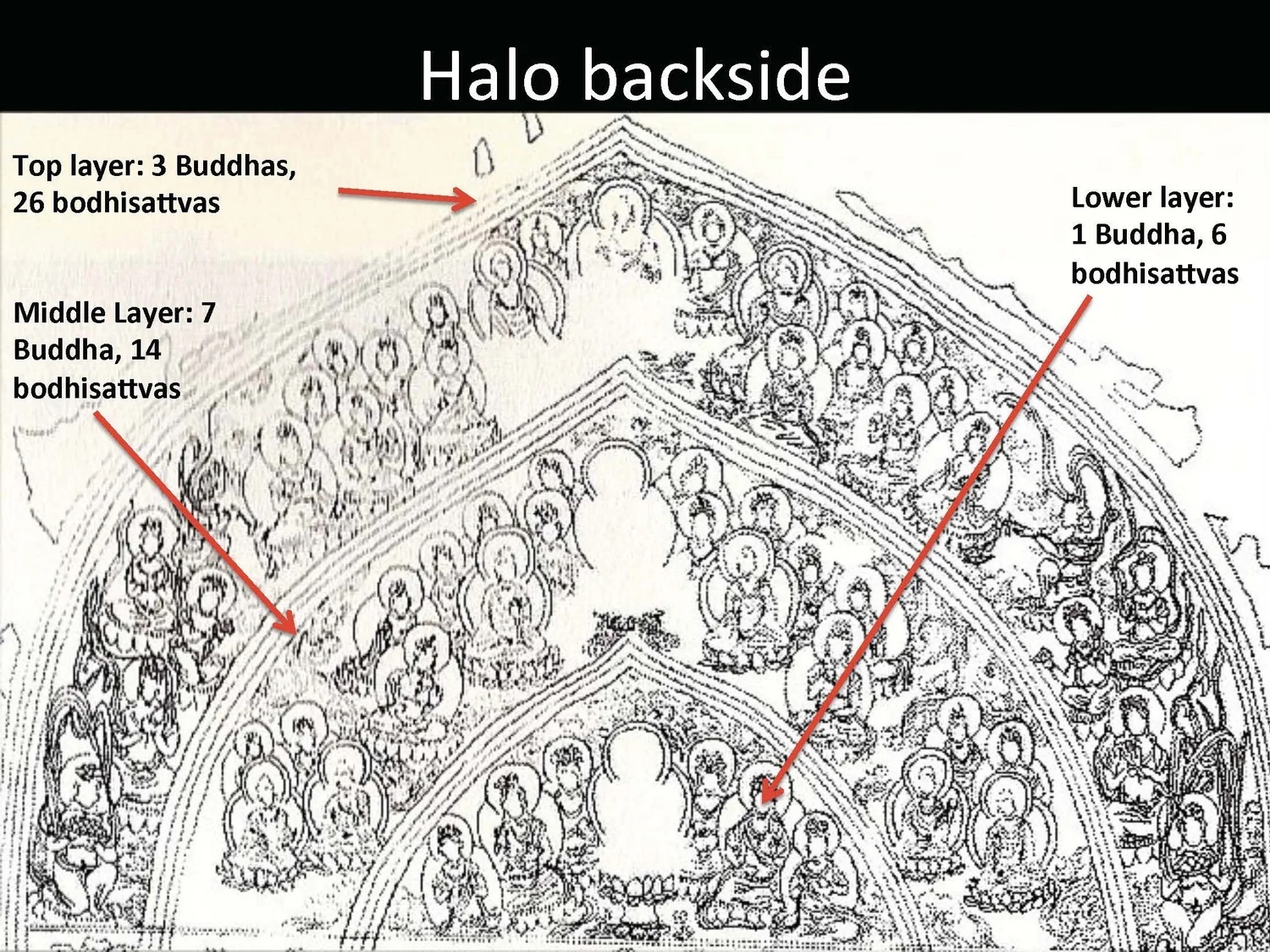
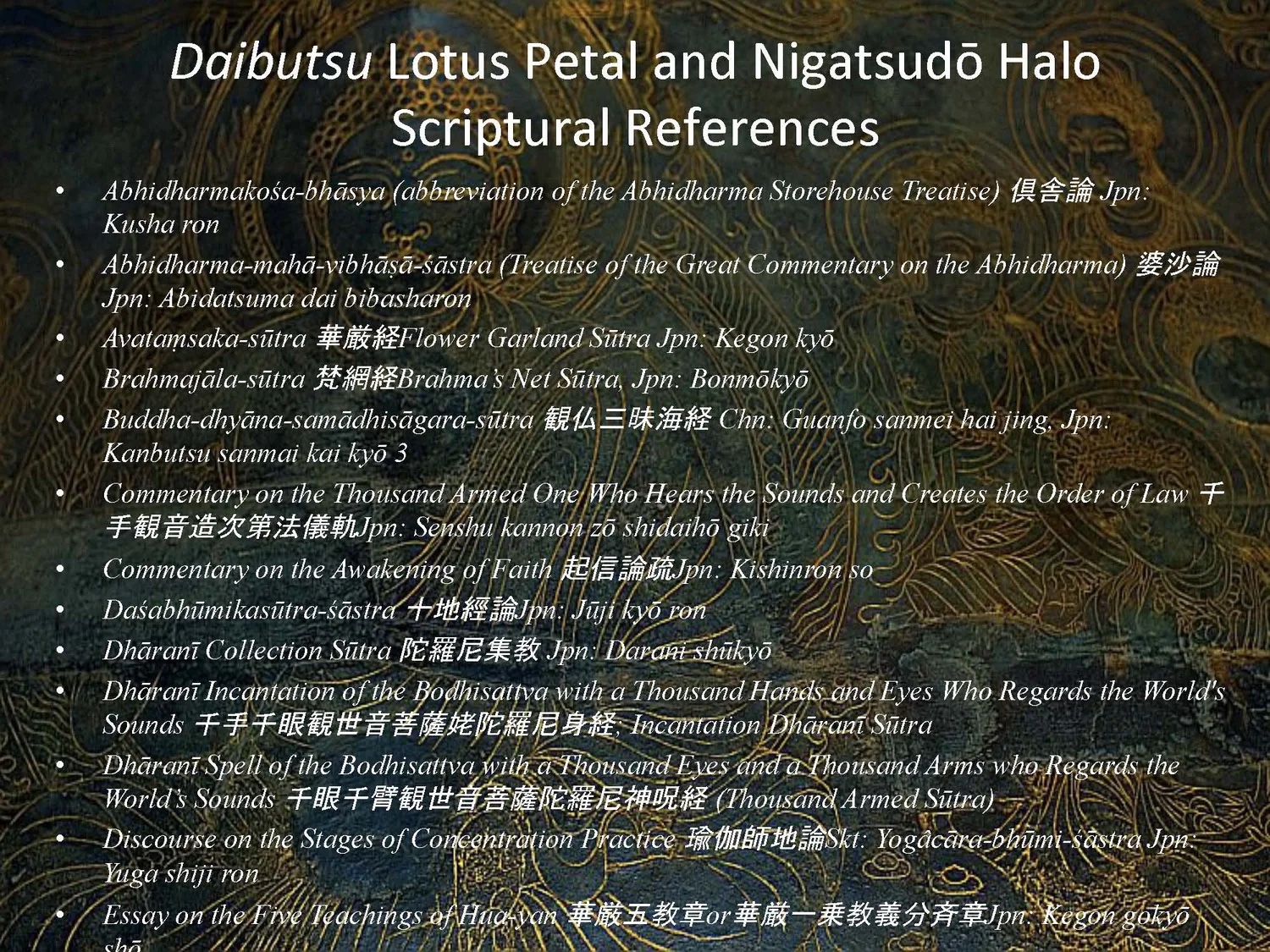
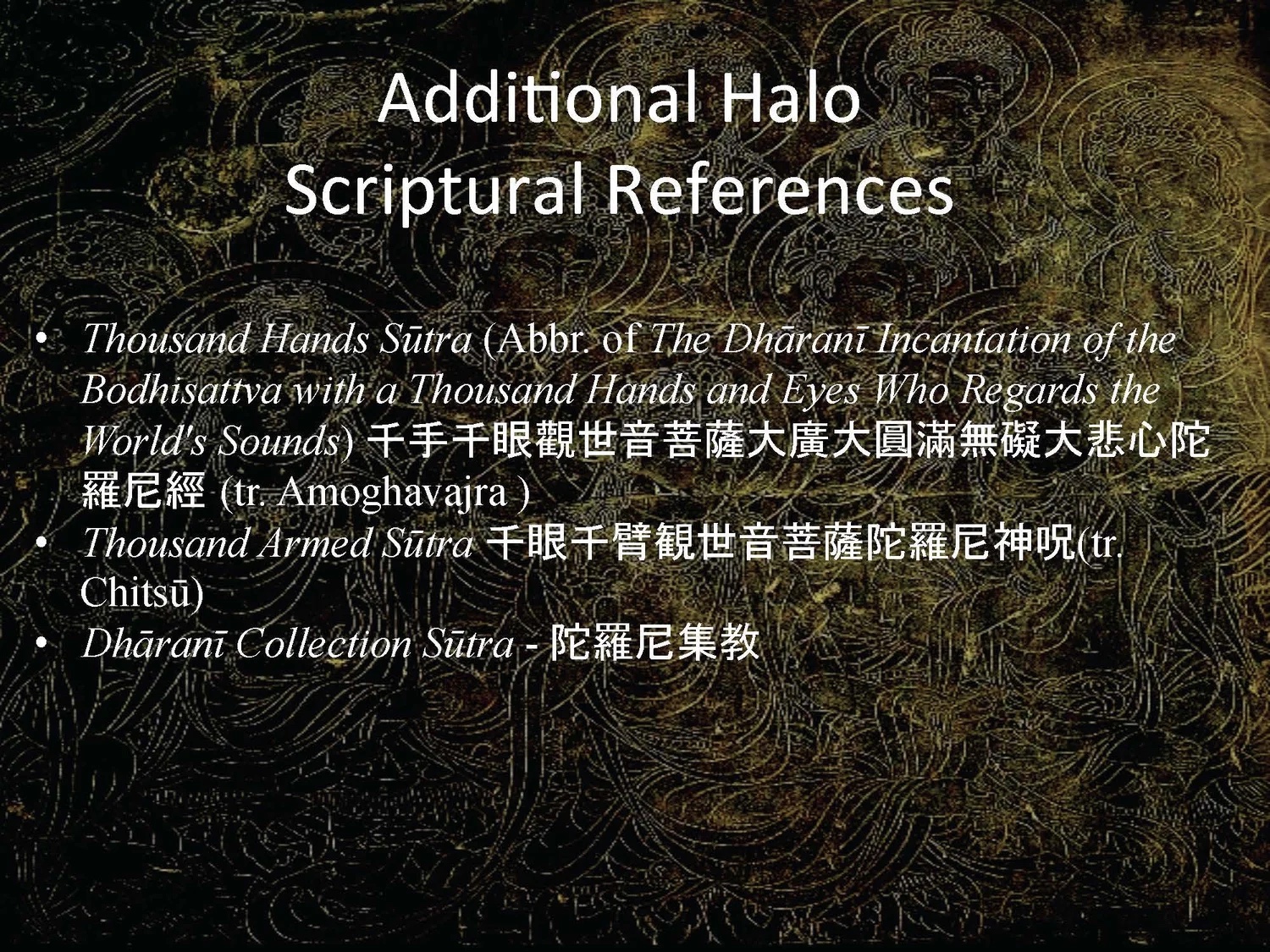
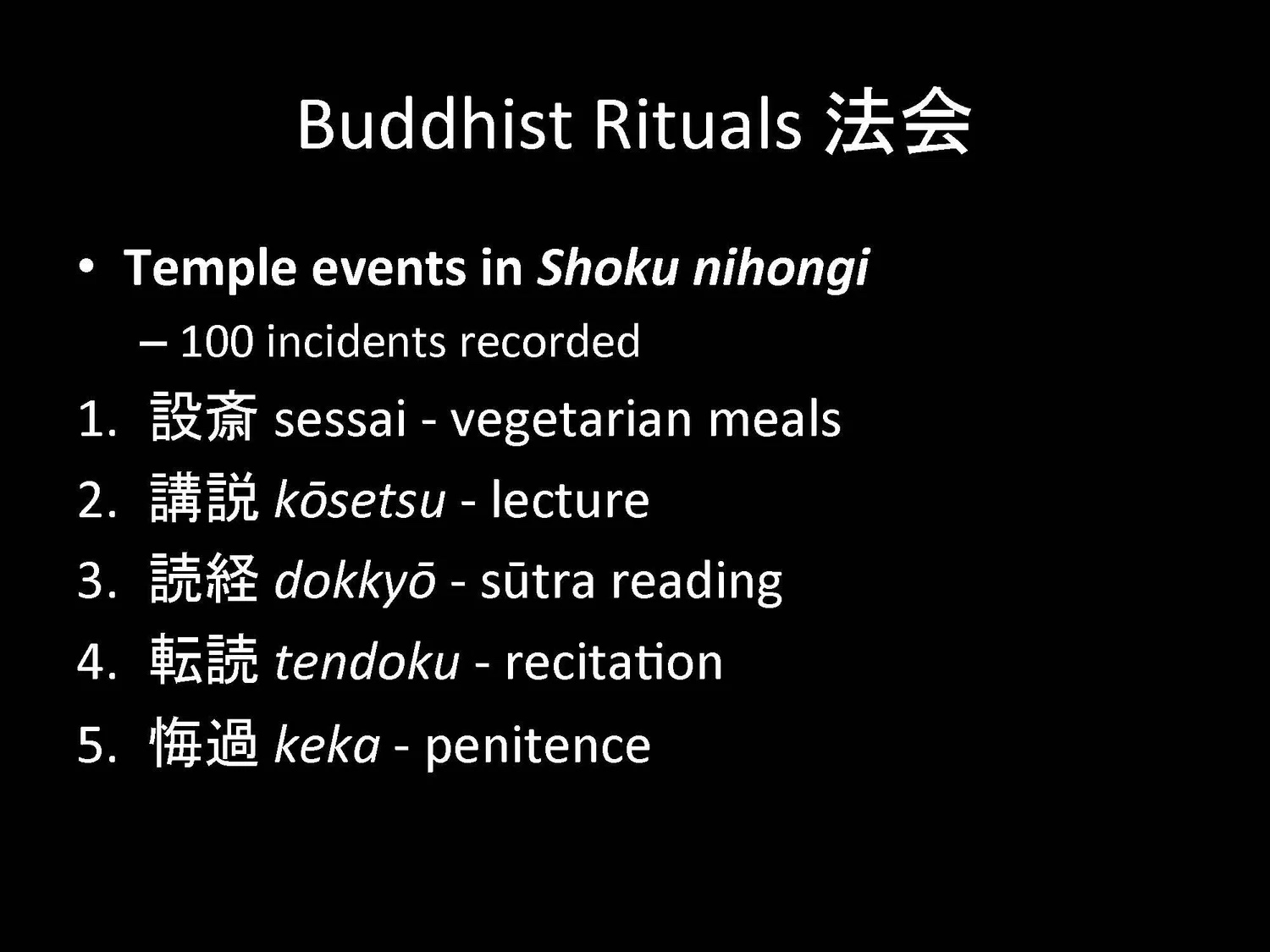
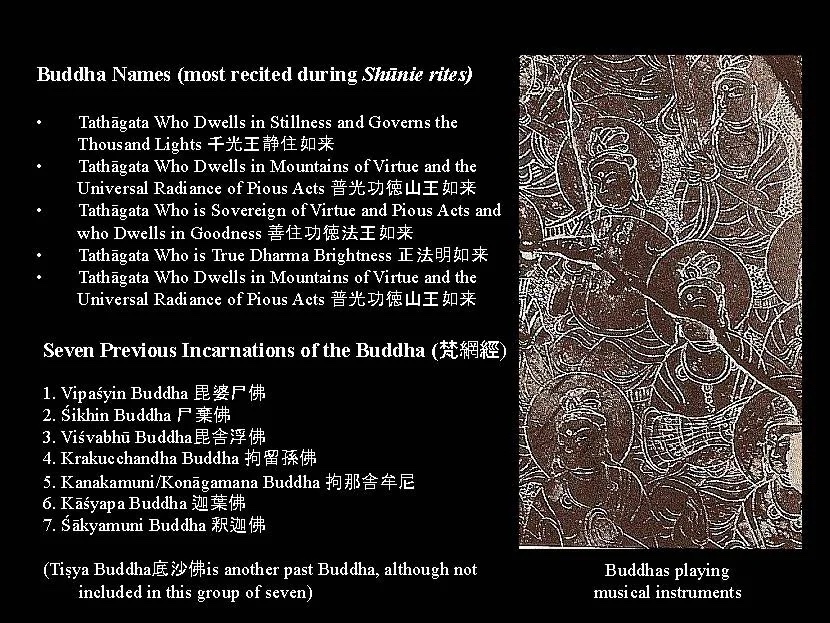
Title slide: Tōdaiji, Nigatsudō and Its Icons, Buddhist Cosmologies, Omizutori (Shunie) Rite, December 8, 2015. Slide: bird’s-eye rendering of the Tōdaiji compound. Slide: the Tōdaiji Daibutsu—dates. Slide: the Daibutsuden and Great Buddha. Slide: early photograph of the Great Buddha. Slide: annotated diagram of the Daibutsu lotus petal engraving. Slide: rubbing of an engraved lotus petal. Slide: painted Buddhist cosmology mural. Slide: Mt. Sumeru in the petal engraving. Slide: Mount Sumeru—Himalayan analogues. Slide: Mount Sumeru—etymology and mandala images. Slide: cross-section diagram of the Buddhist cosmos. Slide: Flower Garland Sūtra—the Lotus-Treasury World. Slide: Brahma’s Net Sūtra—trichiliocosm worlds. Slide: the lotus petal engraving diagram revisited. Slide: Matsumoto’s theory. Slide: petal rubbings compared with sūtra schemas. Slide: layered cosmology diagrams. Slide: annotated petal diagram with realm labels. Slide: Yoshimura/Inamoto theory. Slide: book diagram of the petal cosmology. Slide: breakdown of the layers. Slide: Śākyamuni and twenty-two bodhisattvas on Vulture Peak. Slide: pedestal and petal configuration. Slide: gilt engraving photograph. Slide: engraved bronze detail. Slide: Omizutori torches blaze at the Nigatsudō. Slide: the Nigatsudō in daylight. Slide: the Nigatsudō corridor. Slide: the Nigatsudō halo of Jitchū’s Shōkannon. Slide: halo fragments and reconstruction. Slide: annotated diagram of the Thousand-Armed Kannon halo. Slide: comparing the icons. Slide: Thousand-Armed Kannon halo fragments. Slide: halo engraving close-up. Slide: another halo fragment detail. Slide: iconographic studies of the Kannon. Slide: Hōryūji images and comparative statues. Slide: heaven realms diagram. Slide: halo diagram—asura, mountains, hells. Slide: the halo’s Ashura depiction. Slide: halo surface side, annotated. Slide: halo backside, annotated. Slide: scriptural references for petal and halo. Slide: additional halo scriptural references. Slide: Buddhist rituals (hōe) in the Shoku nihongi. Slide: buddha names recited during the Shuni-e. Slide: engraving detail with playing figure.