Academia
technology & society・religion・space・cultural heritage・gender
Asia・Japan・the world
bringing the world into view, amplifying global and local voices through research
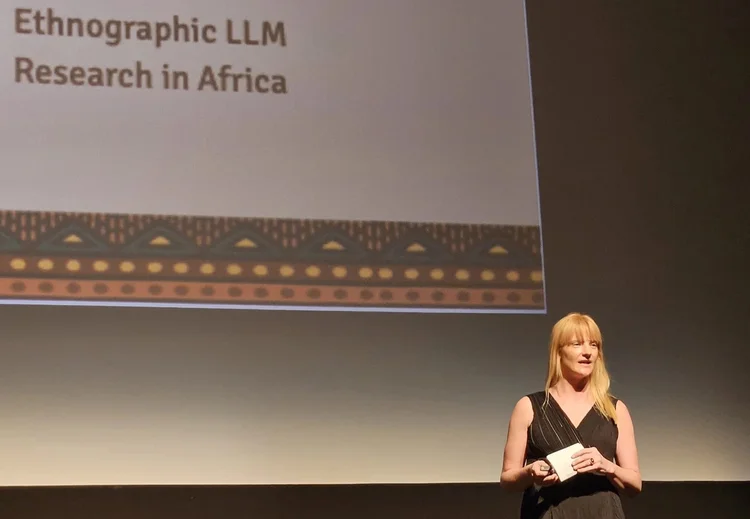
AI & Global Languages and Cultures
My current research examines how AI systems behave across languages and cultural contexts—what gets measured, what goes missing, and who decides. With collaborators across four continents, I study how and by whom AI systems are designed, evaluated, and deployed globally. My essays on philosophy and AI take up the philosophical assumptions baked into current technology systems and the world of possibilities at our avail.
Decolonizing LLMs → From Chaos to Innovation → Interactive AI & Cultural Complexity → Inclusive AI Lab → Philosophy × AI on Substack →
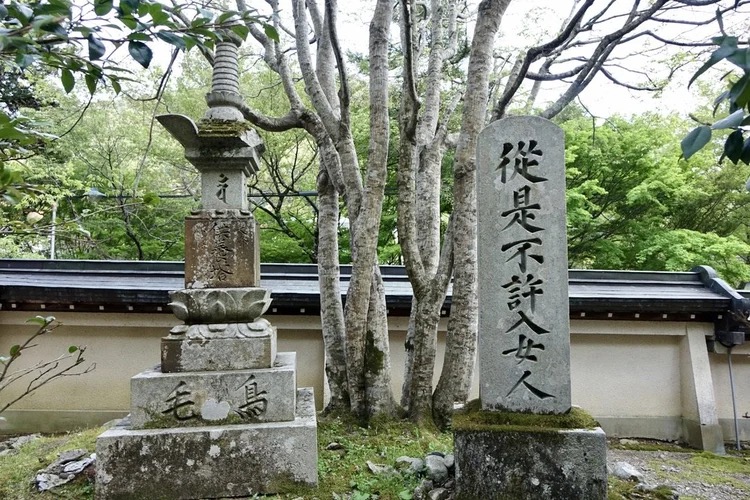
Gender Exclusion (aka The Female Taboo)
Who defines and maintains gender divisions, and to what ends? How do gendered exclusions change over time (or not)? These core questions have long motivated my research on gender exclusion in Japan, an active cultural debate and political issue today. By gender exclusion I primarily refer to the prohibition of women and non-male individuals from physical places and social spaces as a condition of religion and/or tradition.
Read my work →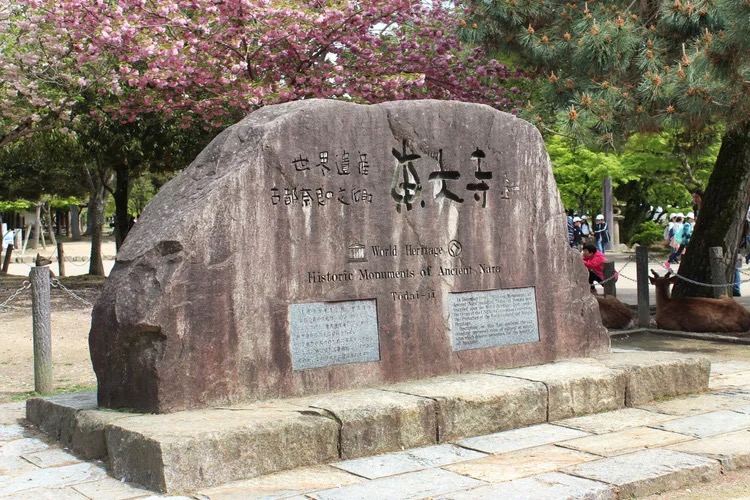
Cultural Heritage
How does (an idea of) the past inhabit the present? This area of my research probes the interplay between tradition, cultural heritage and religion. Specifically, I’m interested in the rise of “tradition” (dentō) within Japan’s experience of modernity, the postwar refashioning of religious sites and practices as cultural “assets” (bunkazai), and the allure of cultural heritage designations, especially UNESCO World Heritage (Sekai isan) recognition.
Read my work →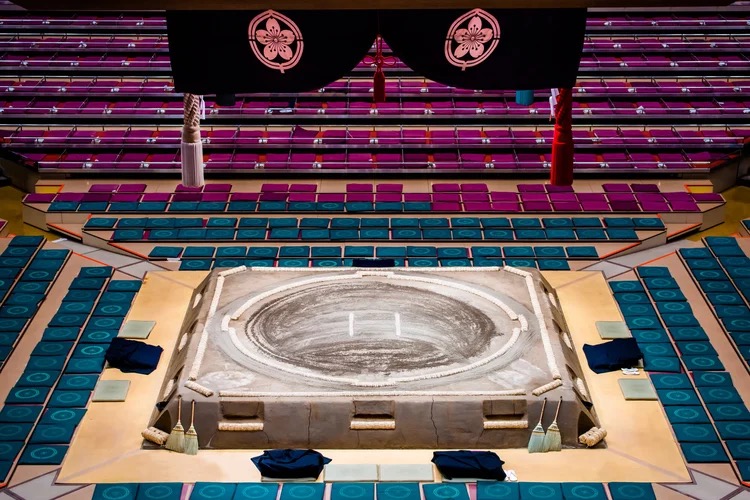
Japanese Sumo Wrestling
Few icons of Japanese culture are more widely recognized than the sumo wrestler. He sports a loin cloth and a slicked back topknot. His hulking body is poised to engage. And the sumo wrestler is always a man, in the popular imagination at least. What happens when we peer behind the larger-than-life icon and unpick the fantasies surrounding sumo?
Read my work →