Lindsey DeWitt Prat, PhD

← Teaching

Sacred Heritage in Japan (and Beyond)

Kyushu University · Fall 2018
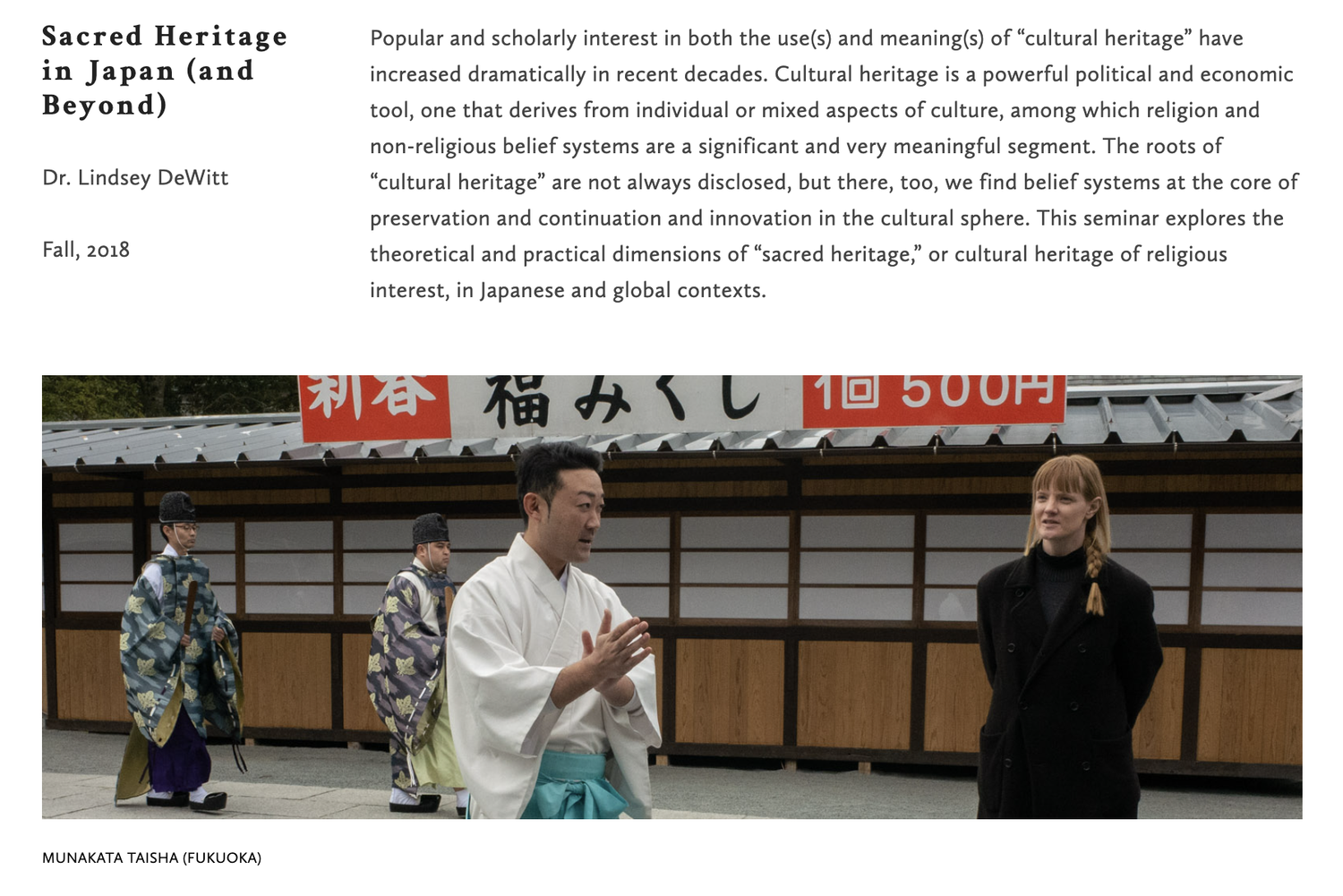
Course flyer for Sacred Heritage in Japan (and Beyond), with course description.

Check out the syllabus here and peruse scrollable slides (progressing to the right) from 3 class sessions below.

Class session one
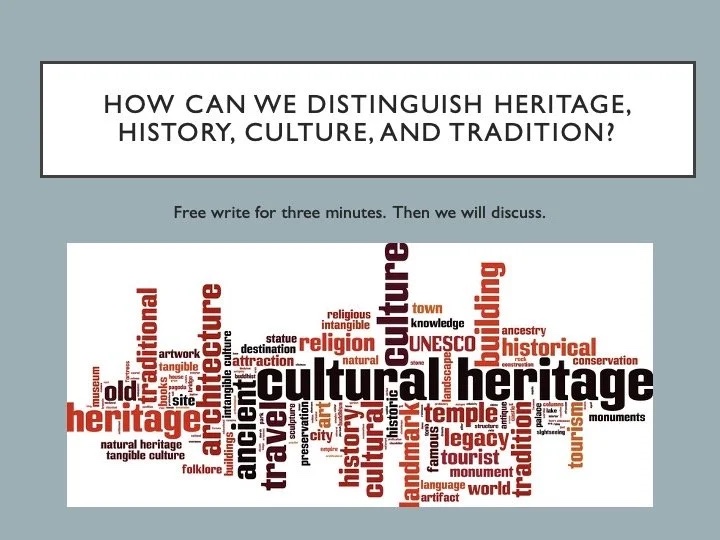
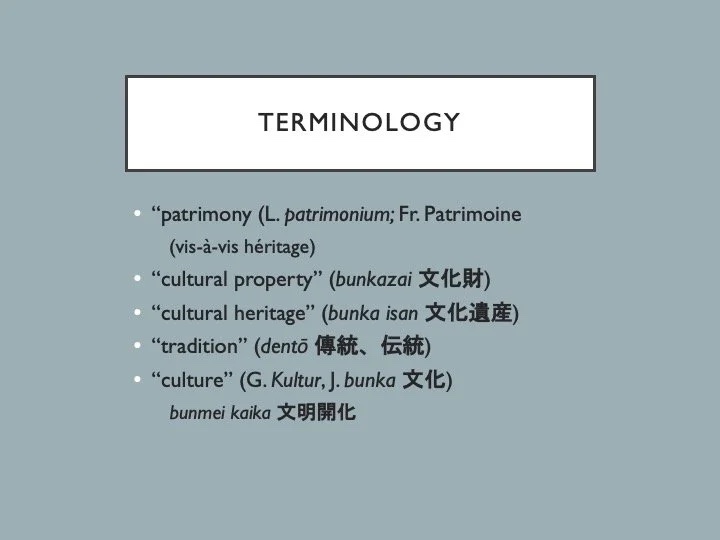
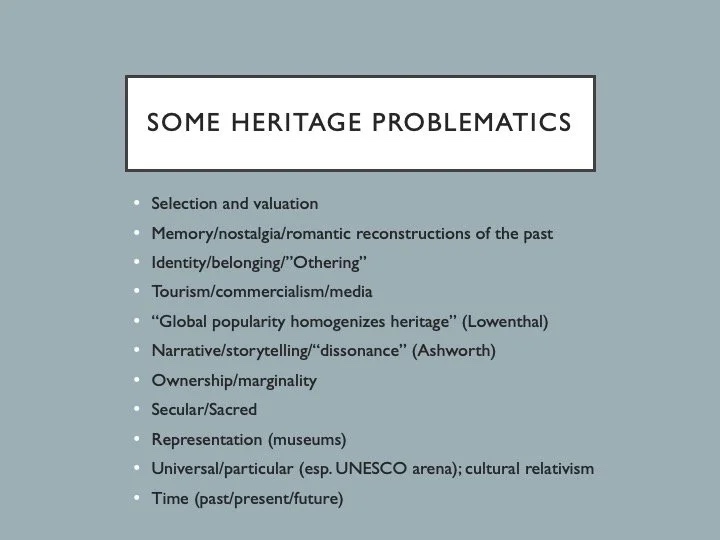
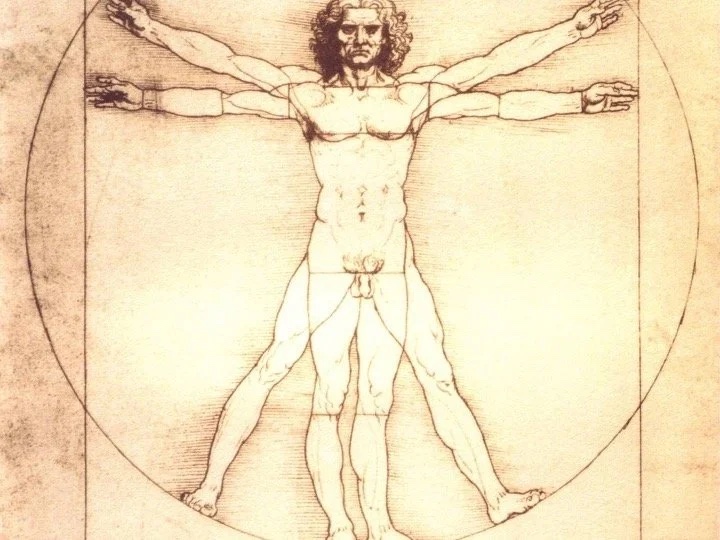
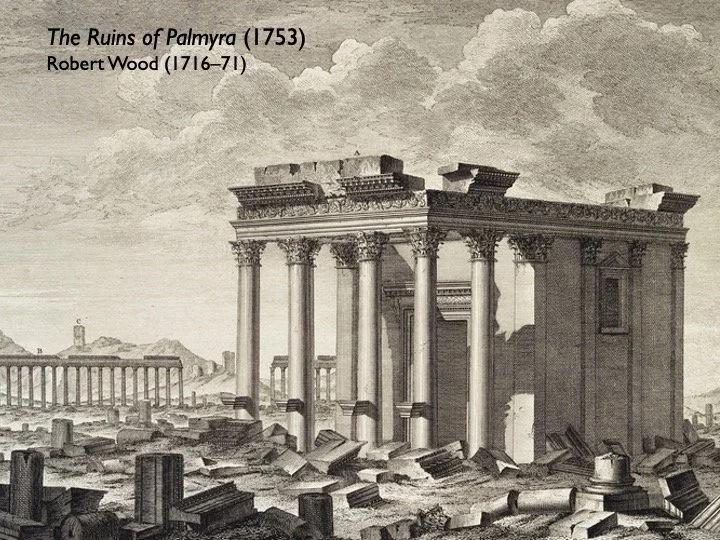
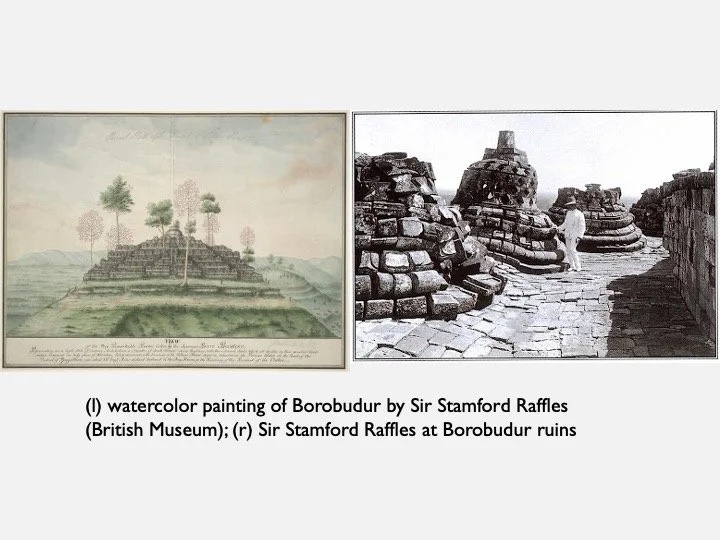
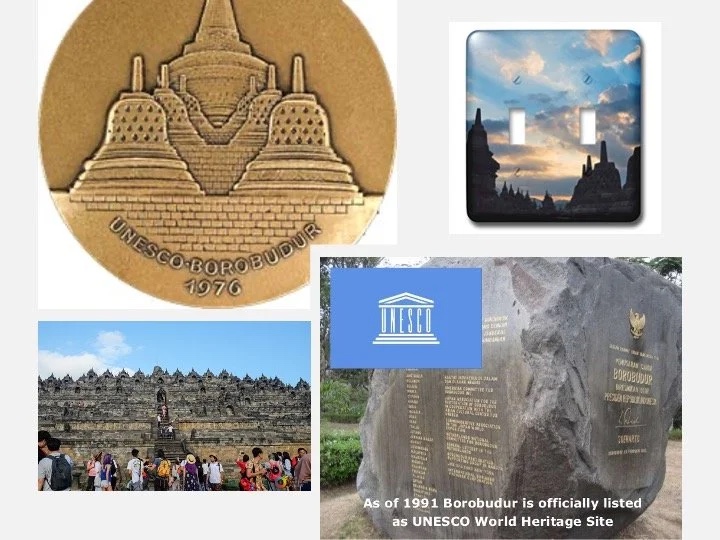
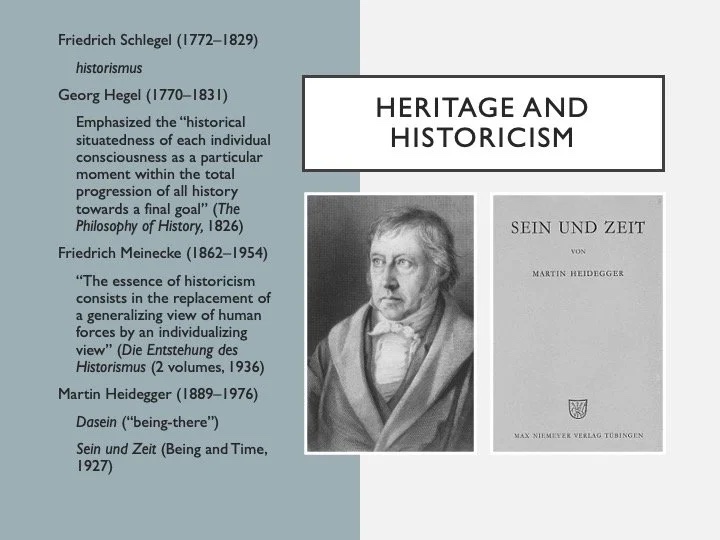
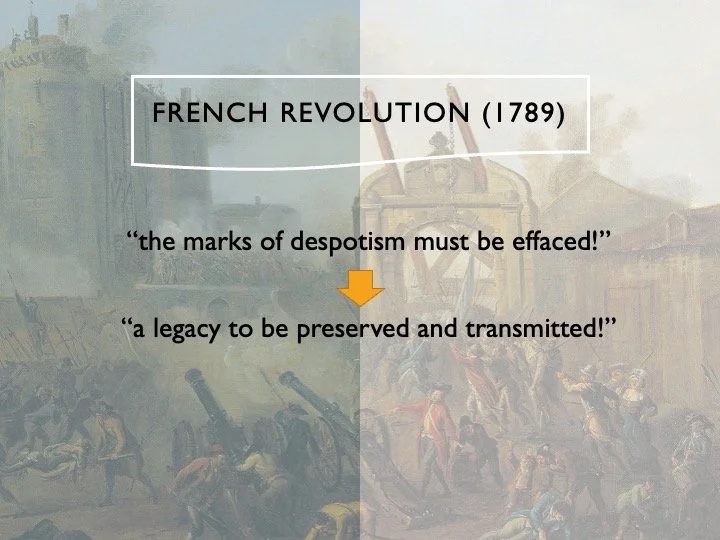
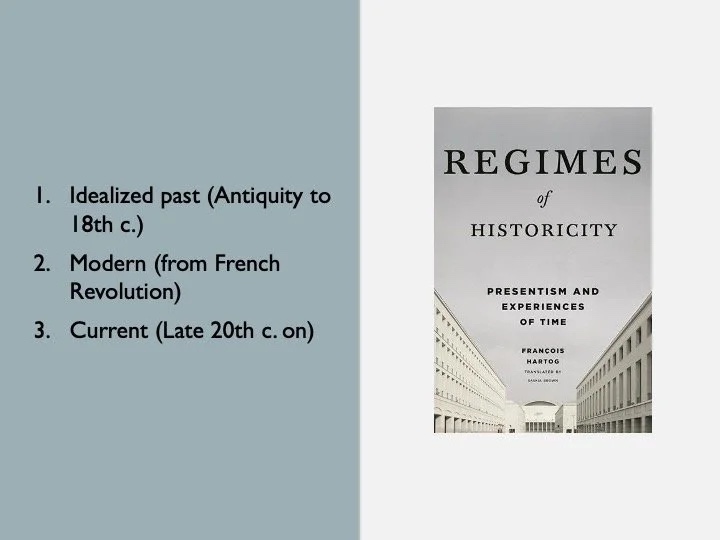
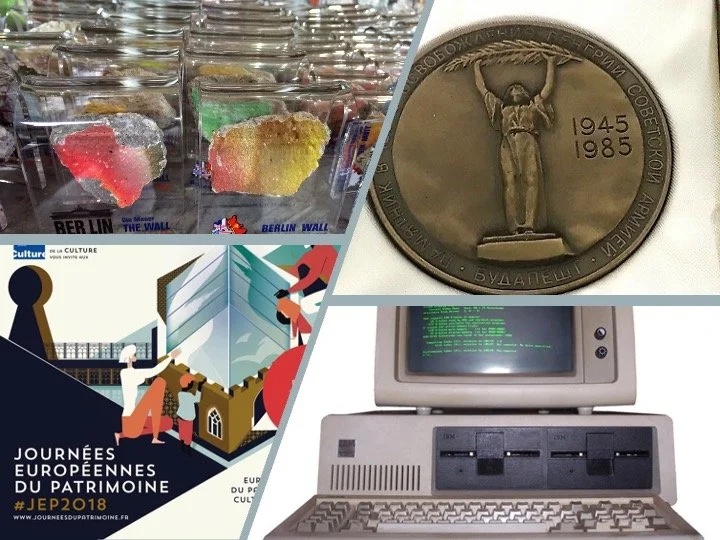
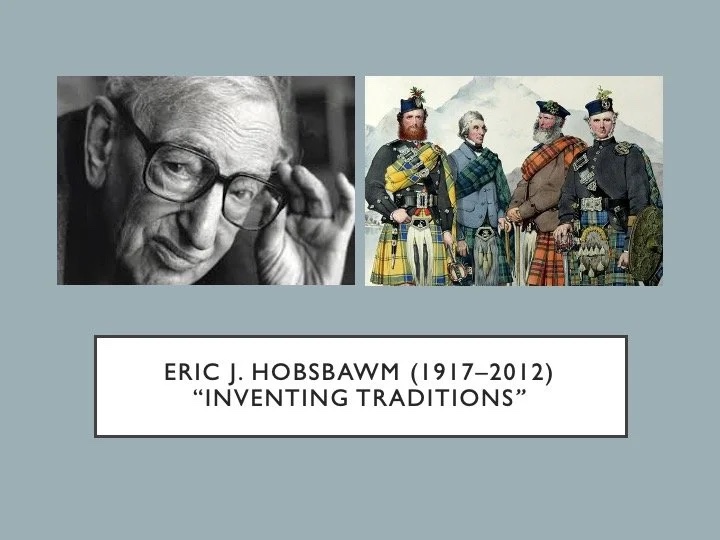
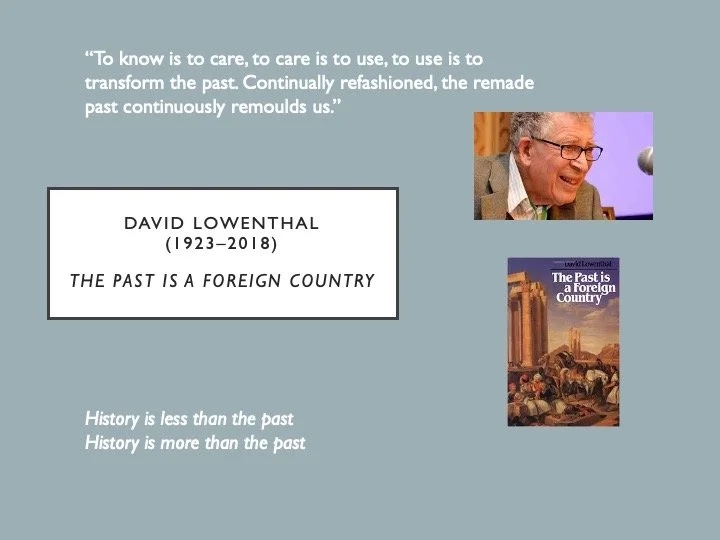
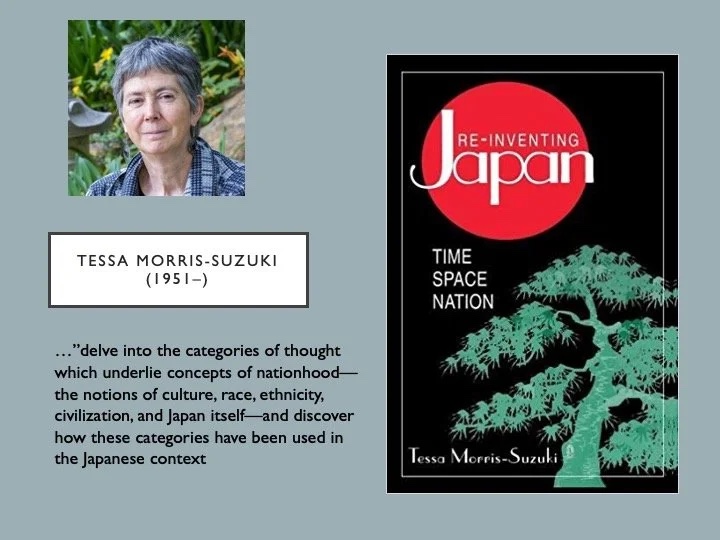
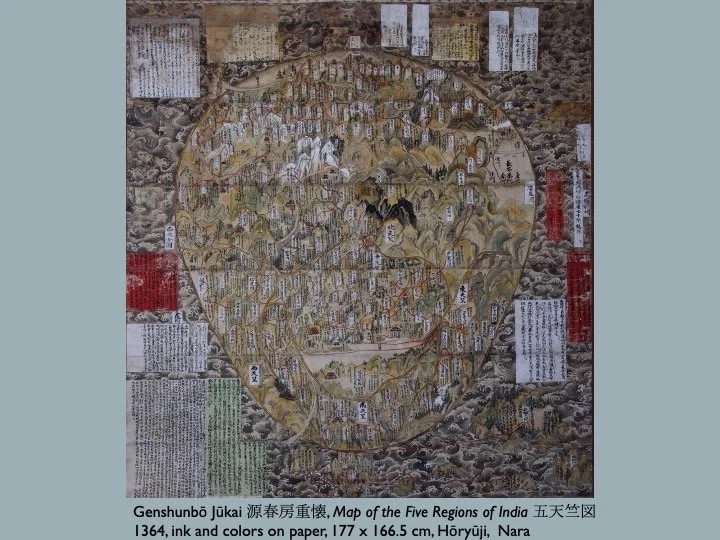
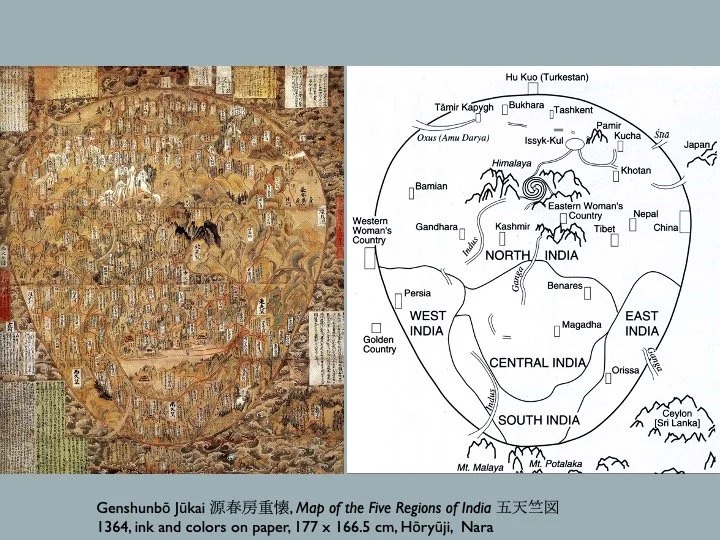
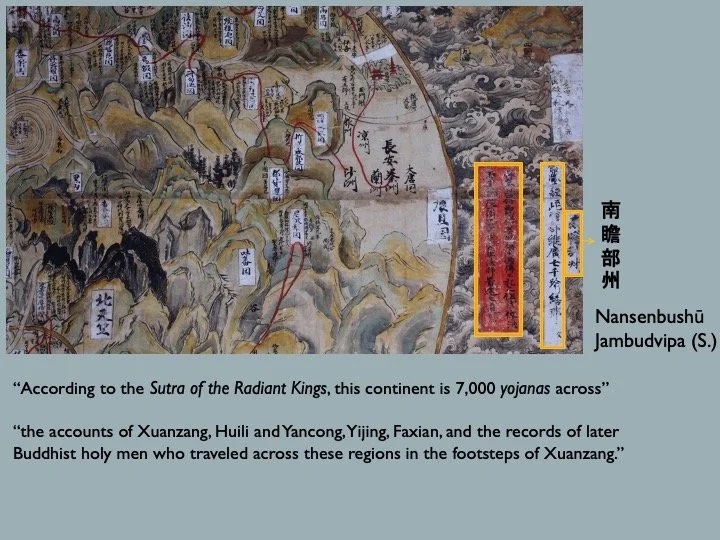
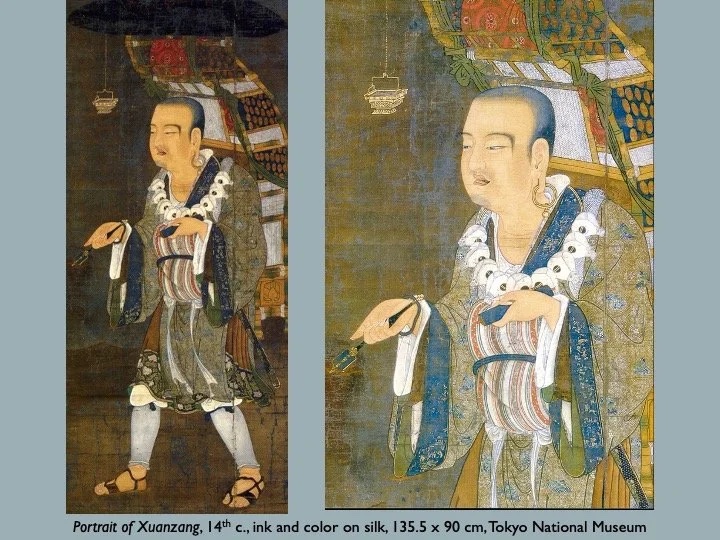
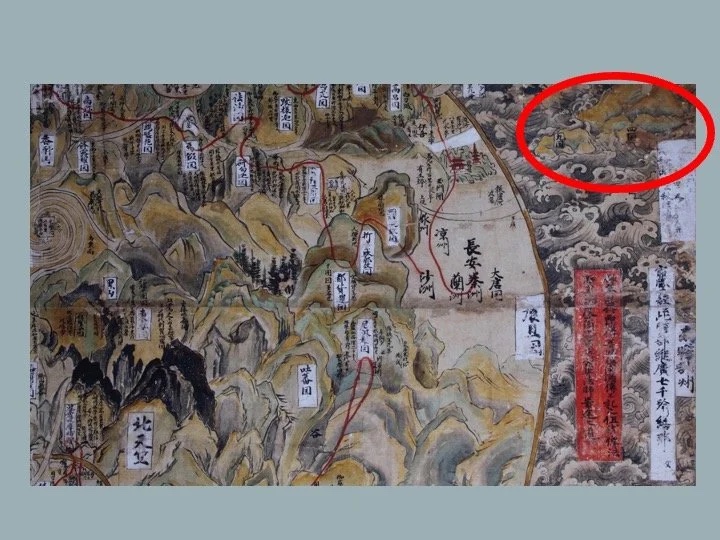
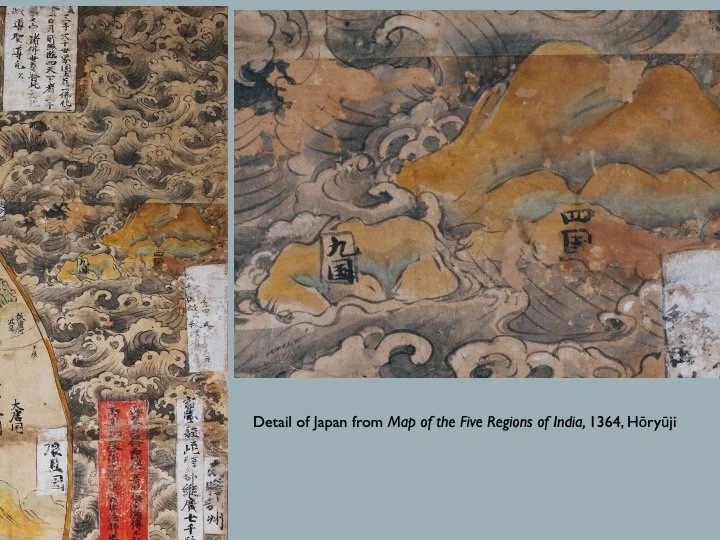
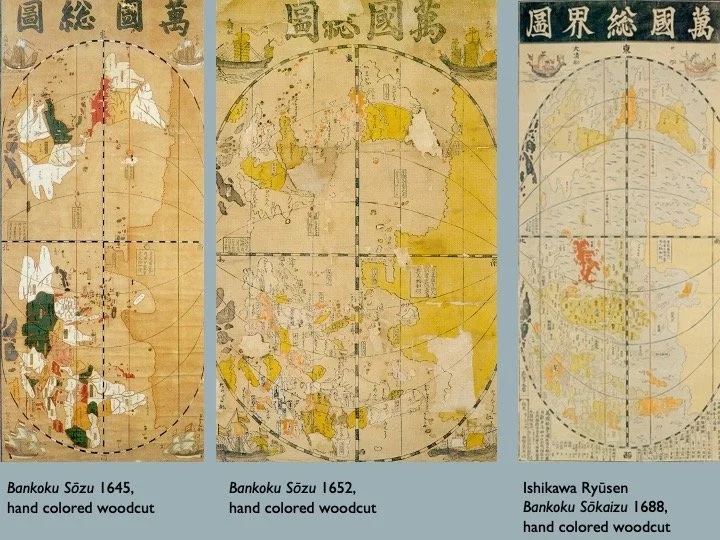
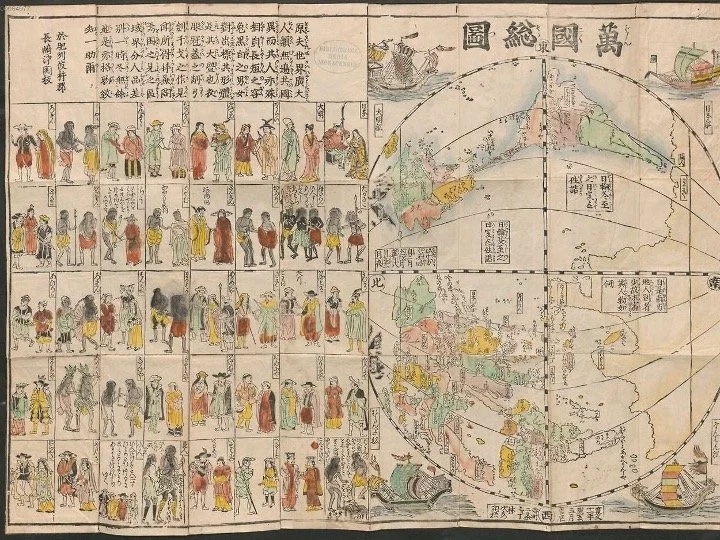
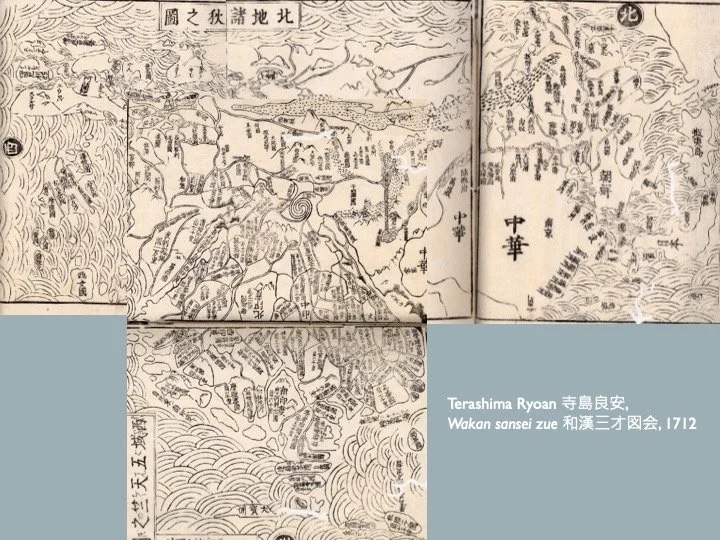
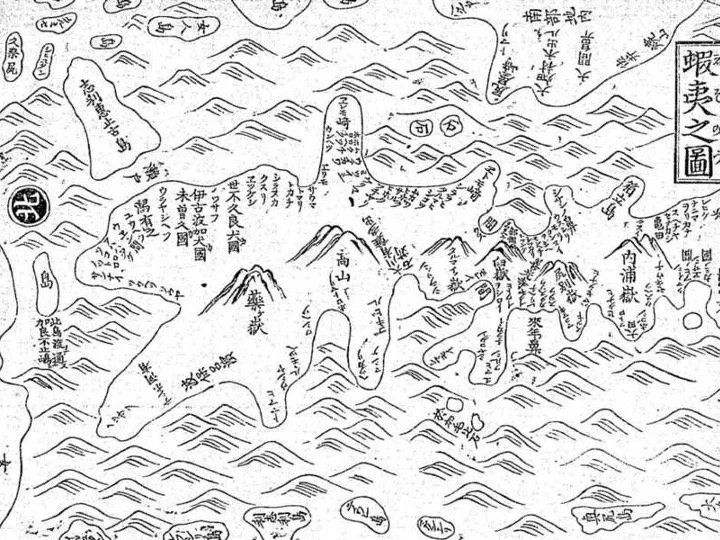
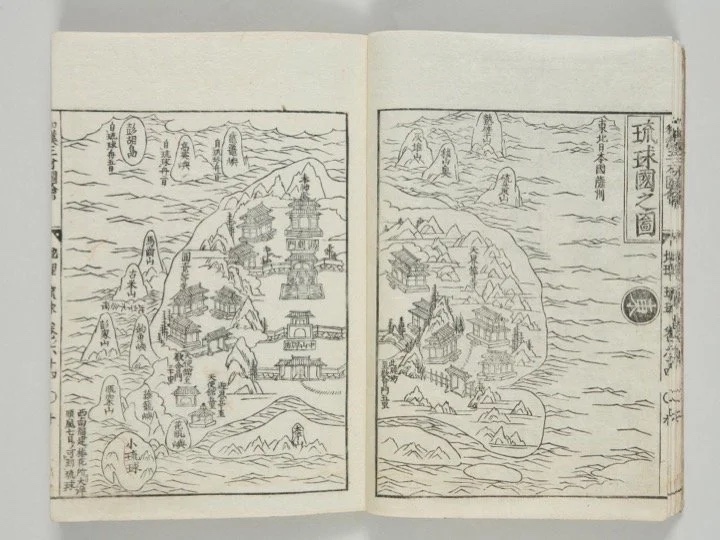
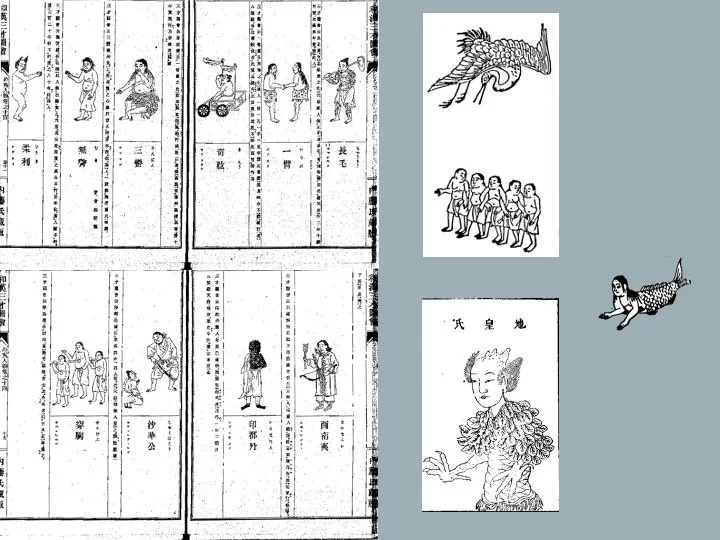
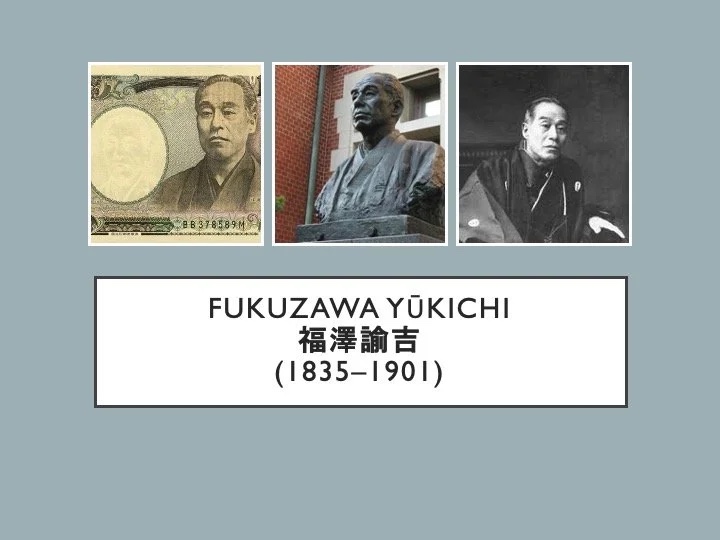
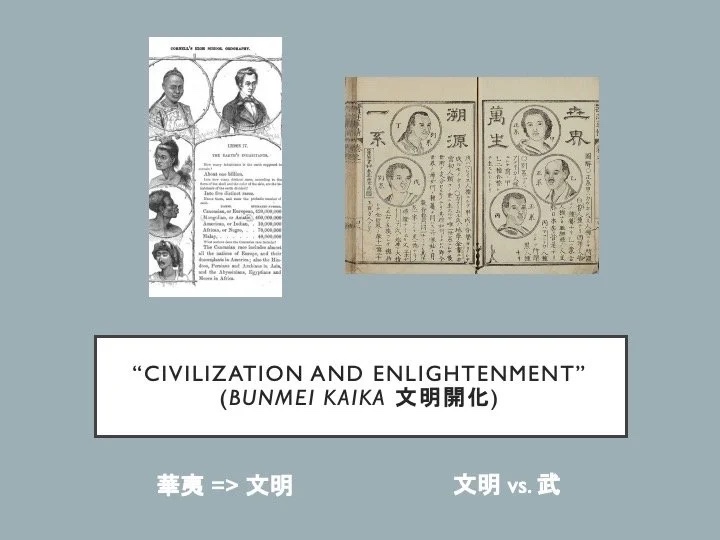
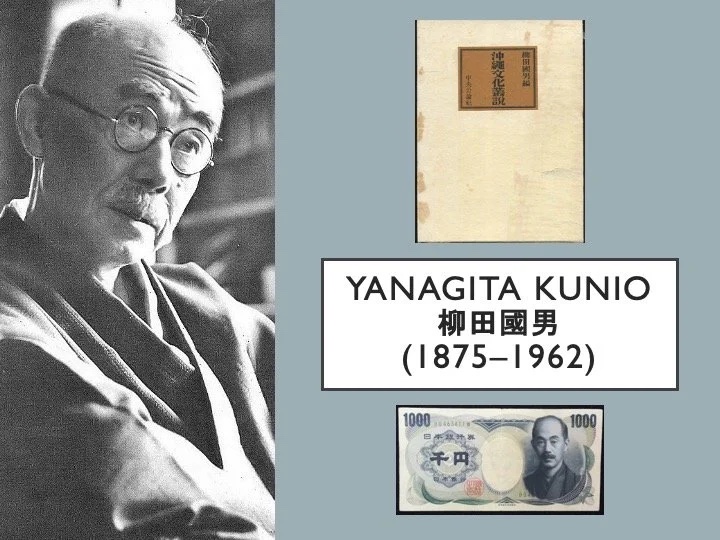
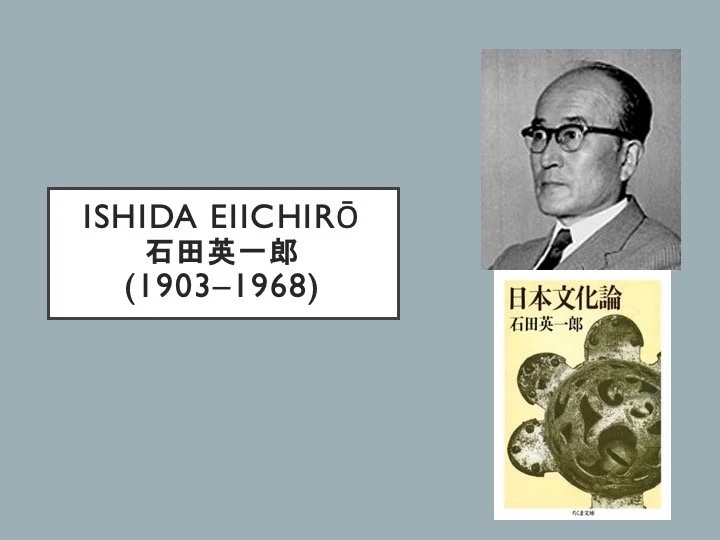
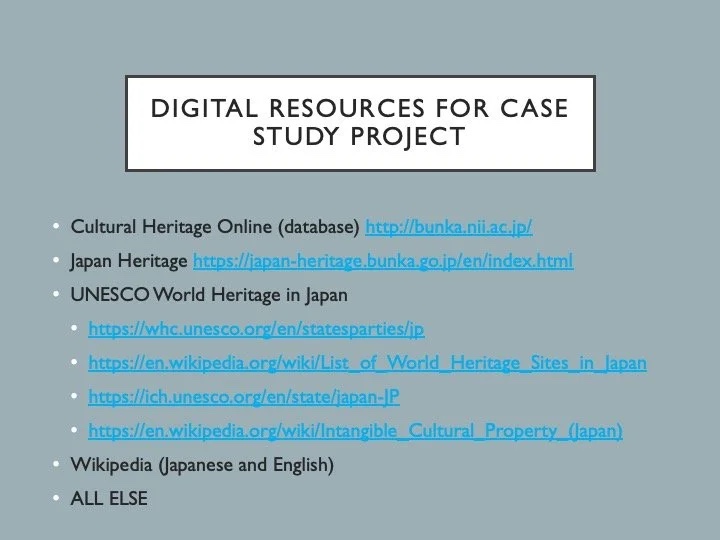
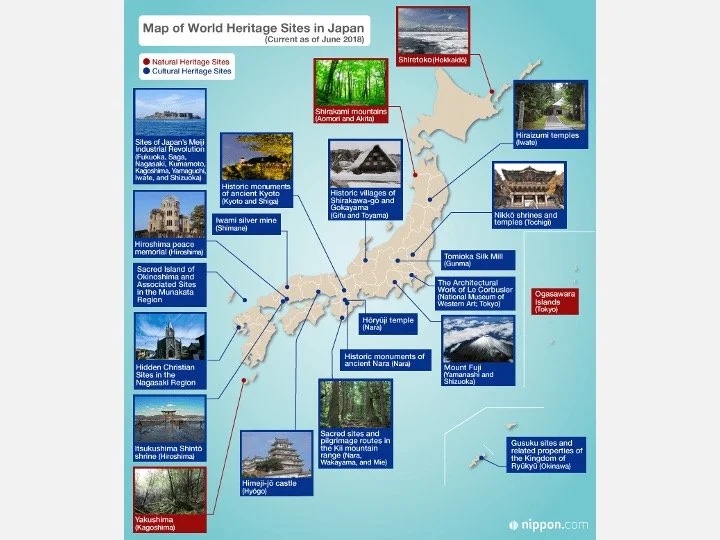
Title slide: Sacred Heritage in Japan (…and Beyond), Ghent University. Slide: how can we distinguish heritage, history, culture, and tradition? Word cloud. Slide: terminology—patrimony, cultural property, cultural heritage, tradition, culture. Slide: some heritage problematics. Slide: Leonardo’s Vitruvian Man. Slide: Robert Wood’s The Ruins of Palmyra (1753). Slide: Borobudur—Raffles watercolor and photographs of the ruins. Slide: Borobudur as UNESCO World Heritage Site. Slide: heritage and historicism—Schlegel, Hegel, Nietzsche, Heidegger. Slide: the French Revolution (1789) and heritage. Slide: Regimes of Historicity—idealized, modern, current. Slide: European heritage days collage. Slide: “Are You an Atheist, Agnostic or a Believer?” Slide: video link—the value of heritage. Slide: Eric J. Hobsbawm, “Inventing Traditions.” Slide: David Lowenthal, The Past Is a Foreign Country. Slide: Tessa Morris-Suzuki, Re-Inventing Japan. Slide: Gotenjiku zu, Map of the Five Regions of India, Hōryūji. Slide: the same map with a schematic overlay of its world regions. Slide: Jambudvīpa detail with Xuanzang quotation. Slide: portrait of Xuanzang, Tokyo National Museum. Slide: map detail with a region circled. Slide: detail of Japan from the Map of the Five Regions of India, 1364. Slide: two Bankoku sōzu world maps, hand-colored woodblock. Slide: woodblock chart of the peoples of the world. Slide: Nansenbushū woodblock world map, 1710. Slide: woodblock map detail. Slide: an Edo-period atlas open to a map page. Slide: printed book illustrations. Slide: Fukuzawa Yūkichi (1835–1901). Slide: “civilization and enlightenment” (bunmei kaika). Slide: Yanagita Kunio (1875–1962). Slide: Ishida Eiichirō (1903–1968). Slide: book covers—Mirror of Modernity and Japan Review. Slide: digital resources for the case study project.

Class session two
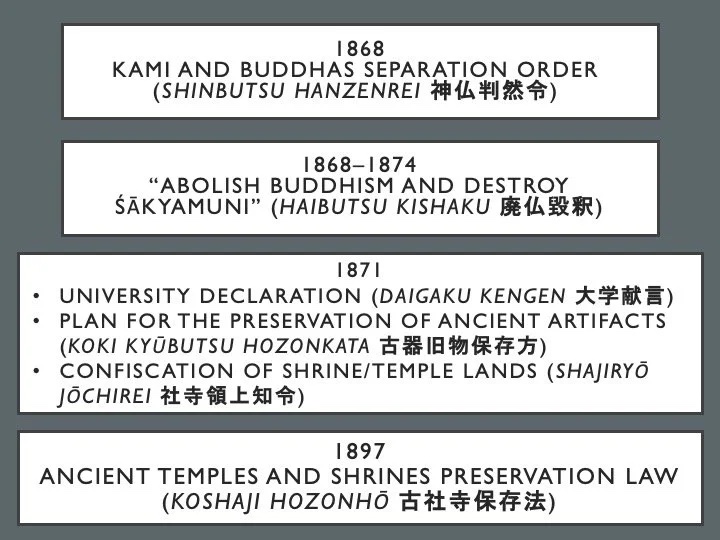
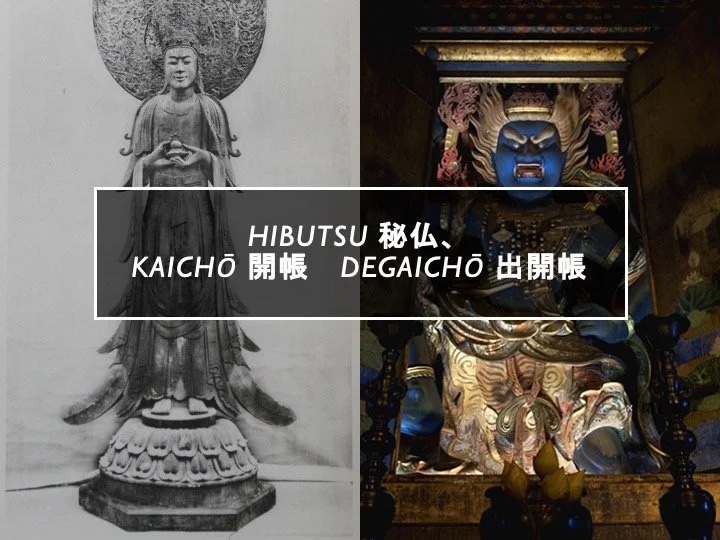
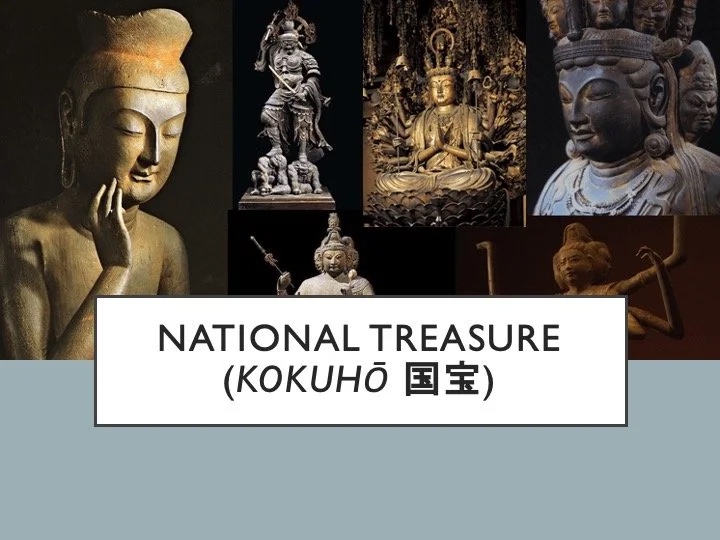
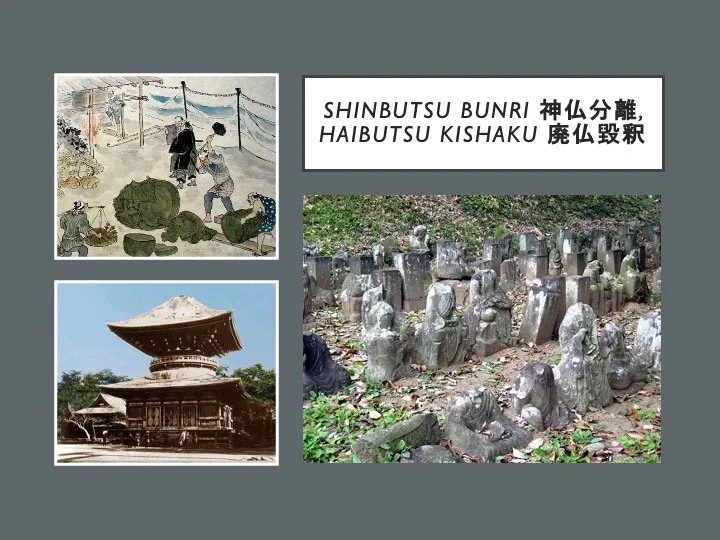
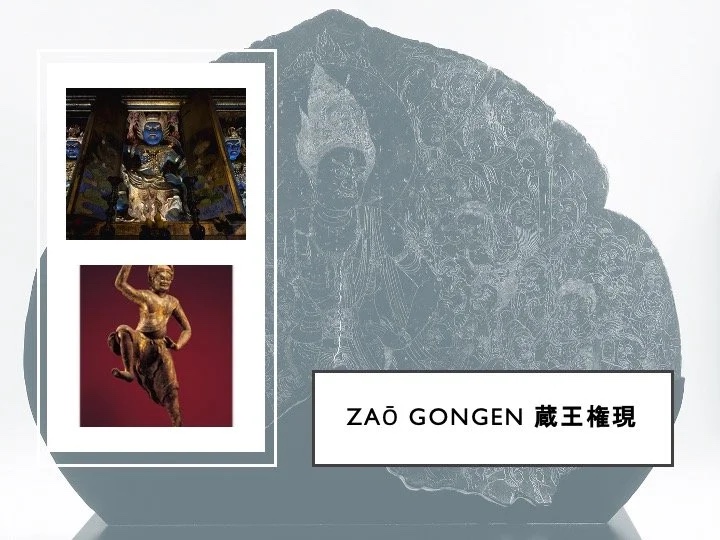
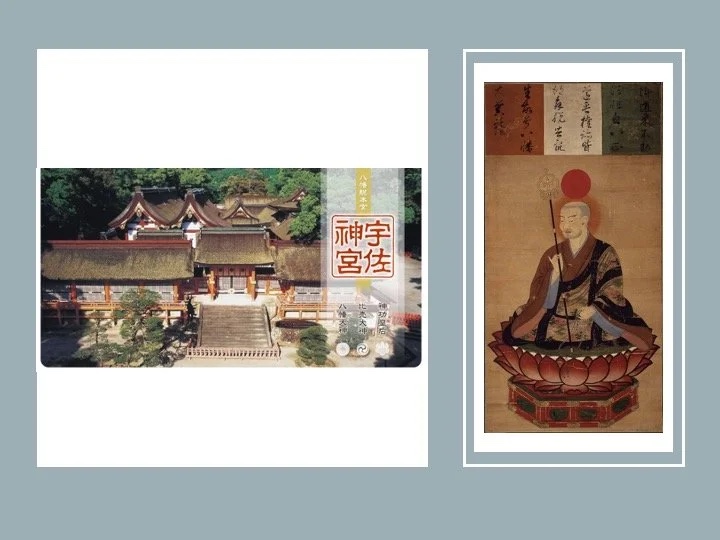
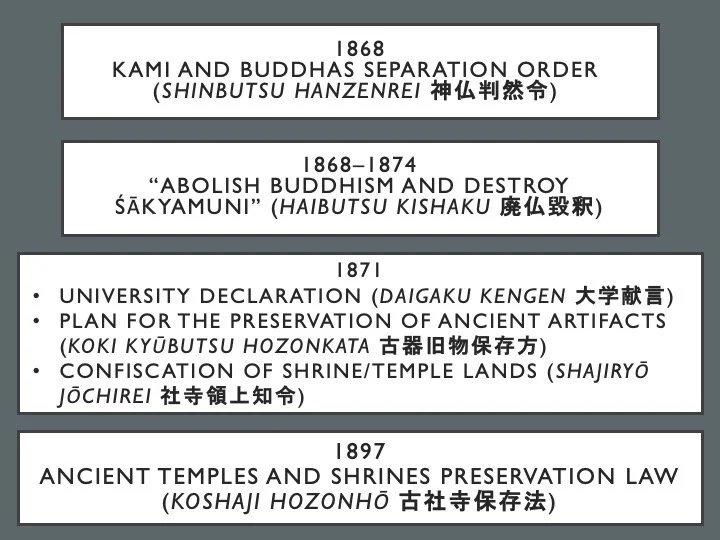
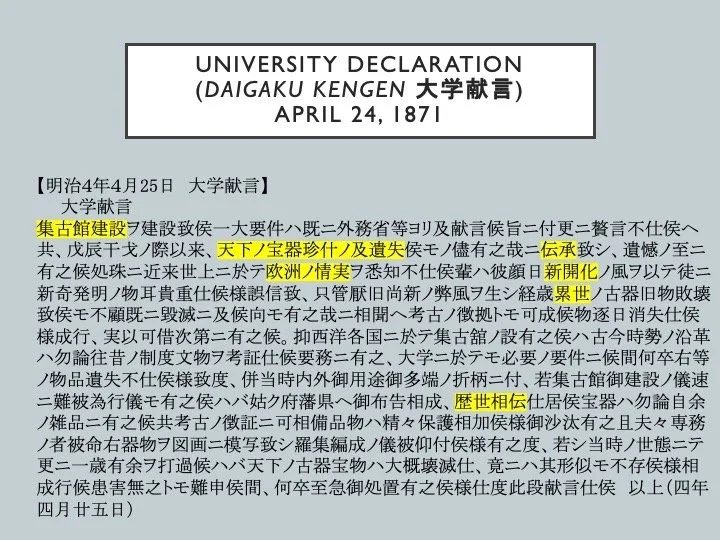
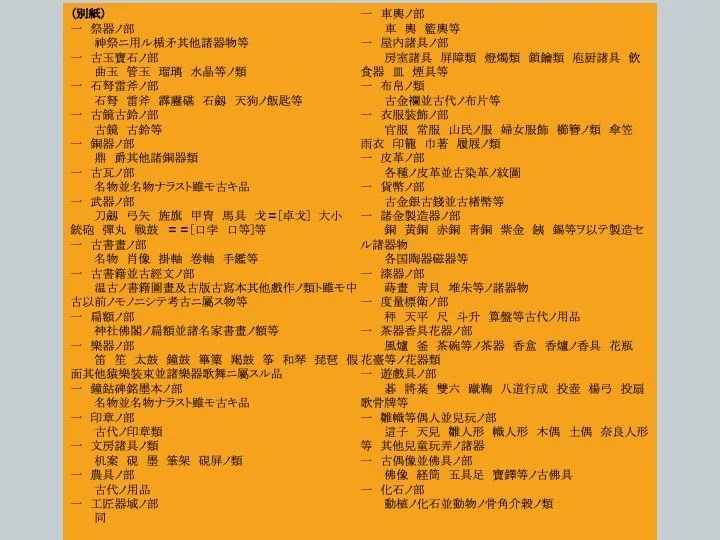
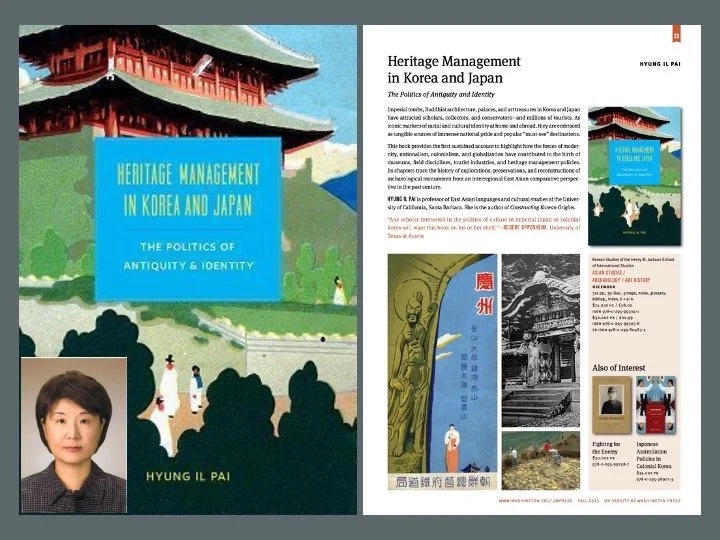
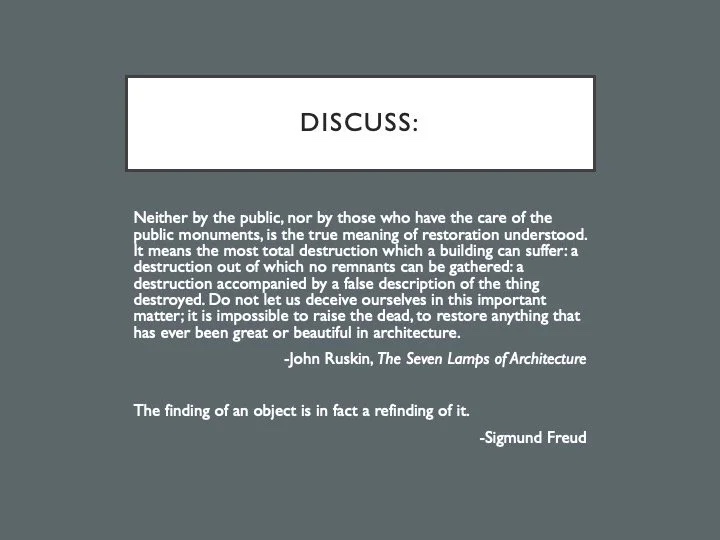
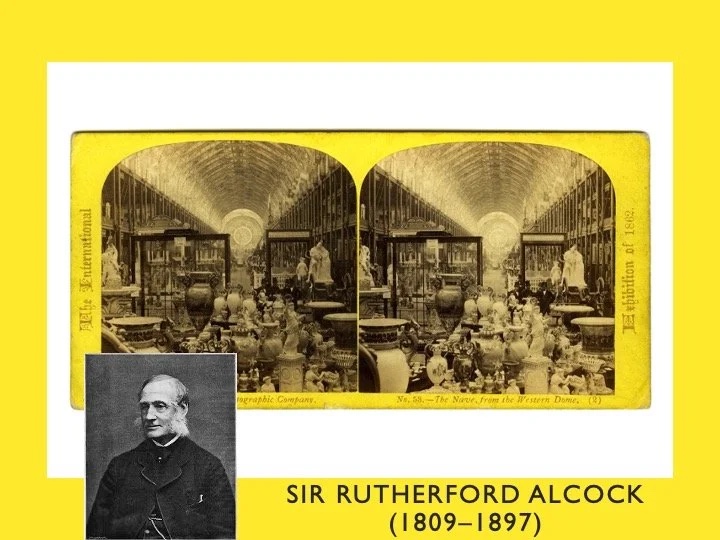
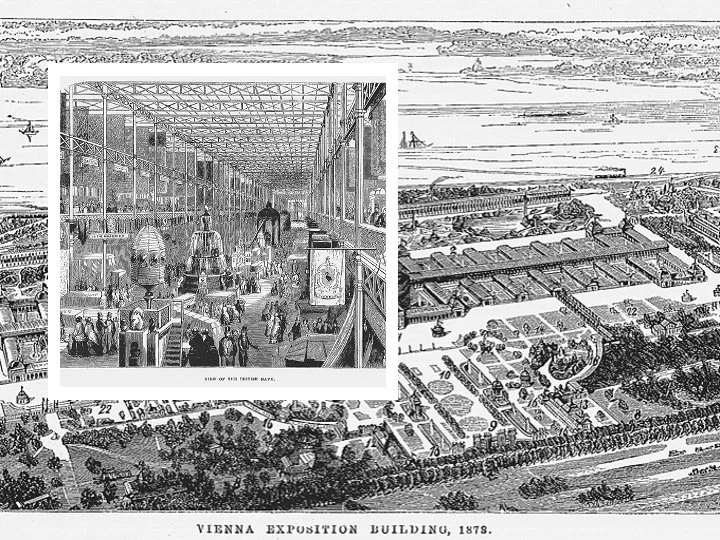
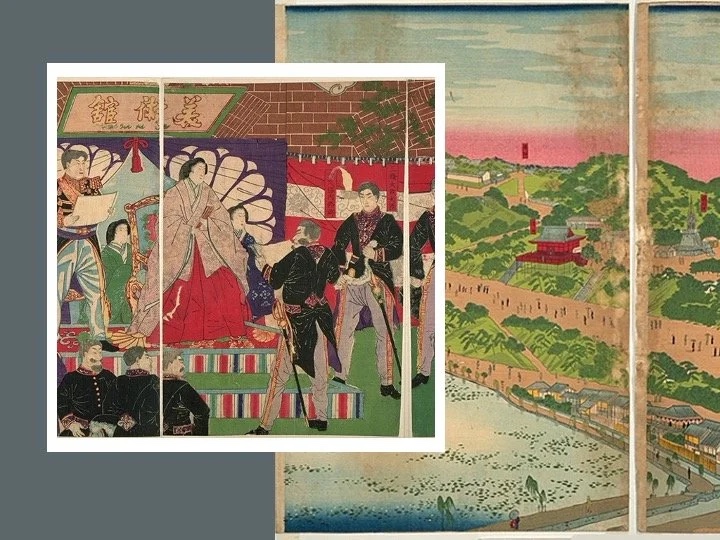
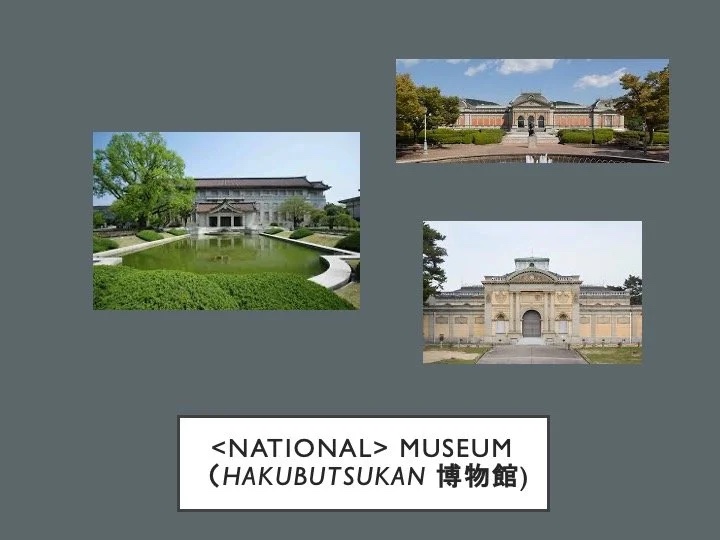
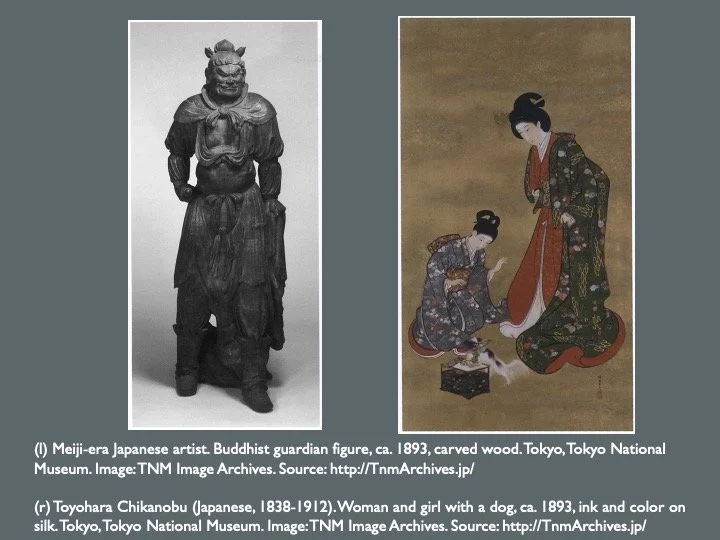
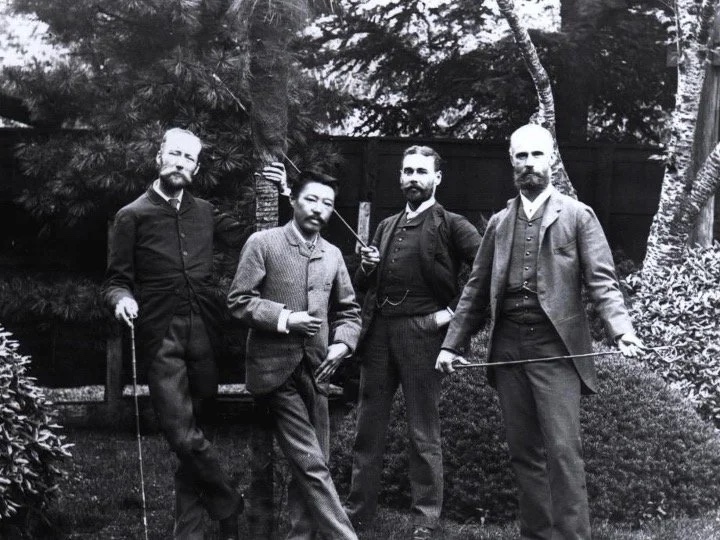
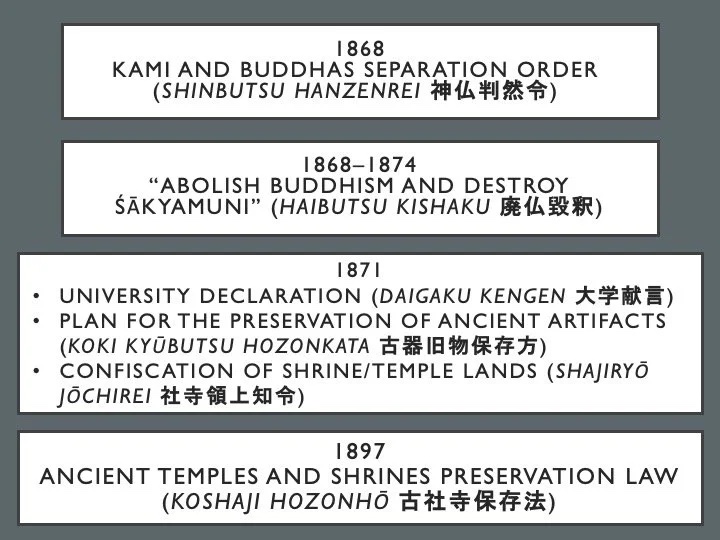
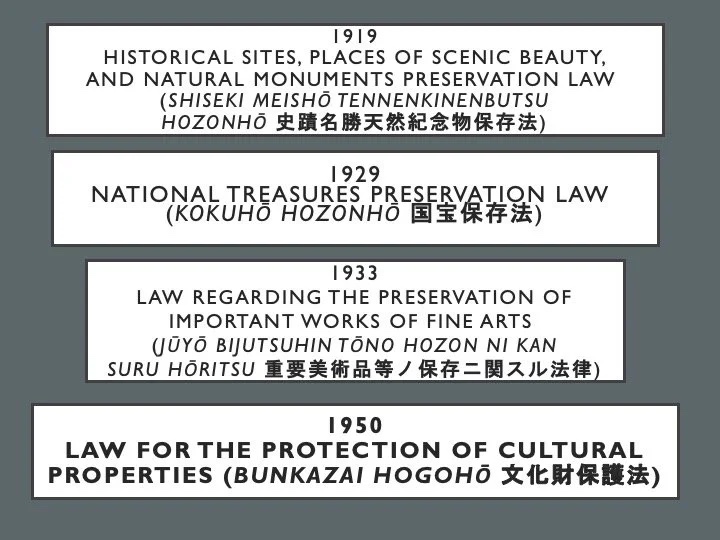
Title slide of the second class session. Slide: 1868–1897 timeline, from the separation of kami and buddhas to the Ancient Temples and Shrines Preservation Law. Slide: hidden buddhas (hibutsu) and their unveiling (kaichō). Slide: National Treasure (kokuhō) statues. Slide: shinbutsu bunri and haibutsu kishaku. Slide: Zaō Gongen. Slide: shrine and temple photographs with deity images. Slide: the 1868–1897 timeline revisited. Slide: the University Declaration (Daigaku kengen), April 24, 1871. Slide: Japanese document text. Slide: Heritage Management in Korea and Japan. Slide: discussion quotations from Ruskin and Freud. Slide: Sir Rutherford Alcock (1809–1897). Slide: engraving of the 1873 Vienna Exposition. Slide: woodblock print of an exposition. Slide: the national museum (hakubutsukan). Slide: Meiji-era guardian figure and painting, Tokyo National Museum. Slide: in-class presentation of supplemental readings. Slide: photograph of a Meiji-era survey team in a forest. Slide: the 1868–1897 timeline once more. Slide: preservation laws, 1919–1950.

Class session three
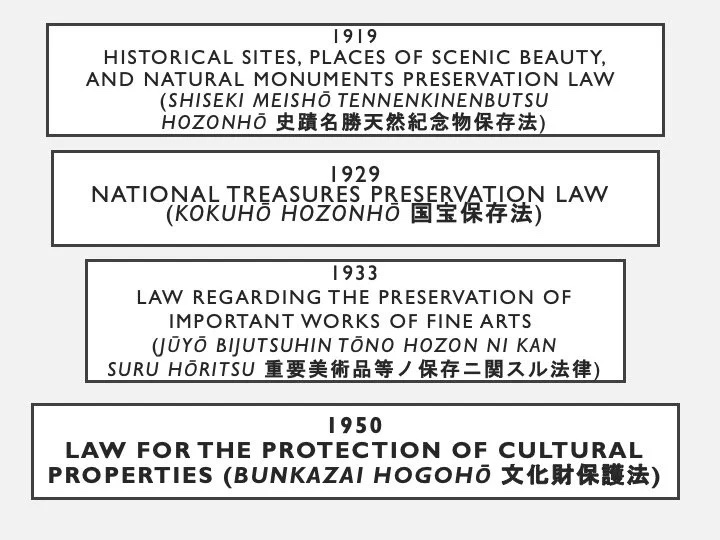
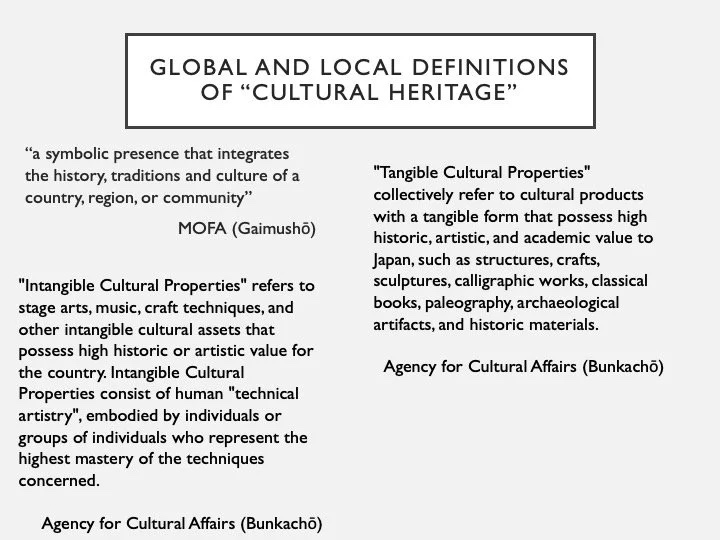
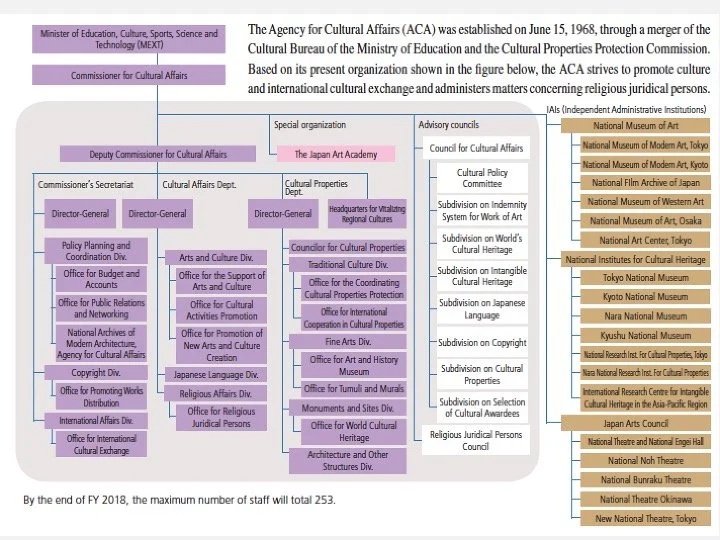
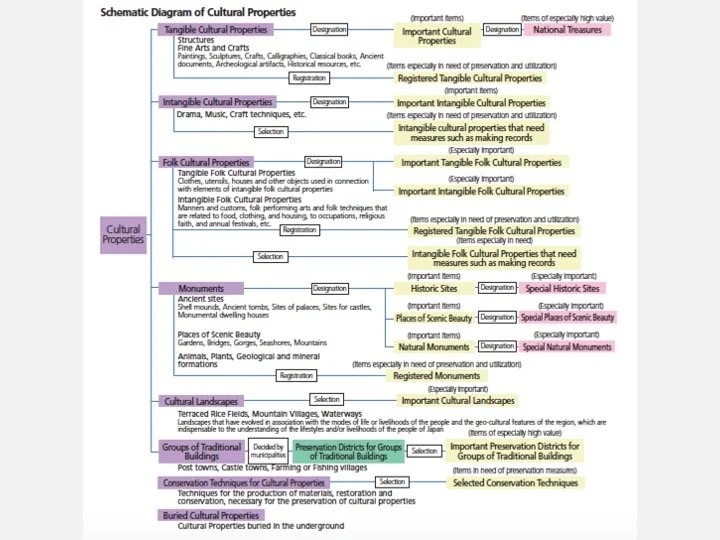
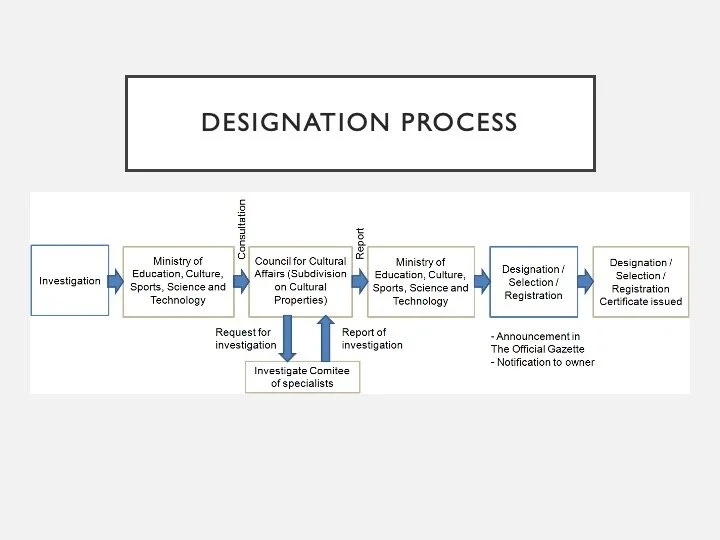
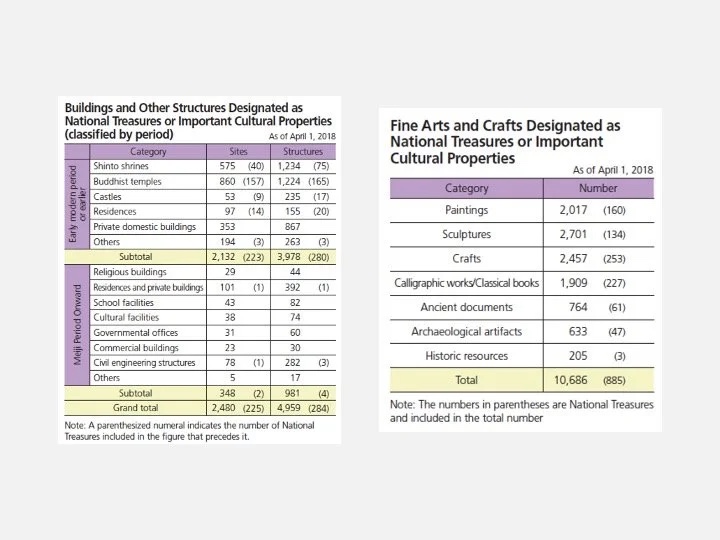
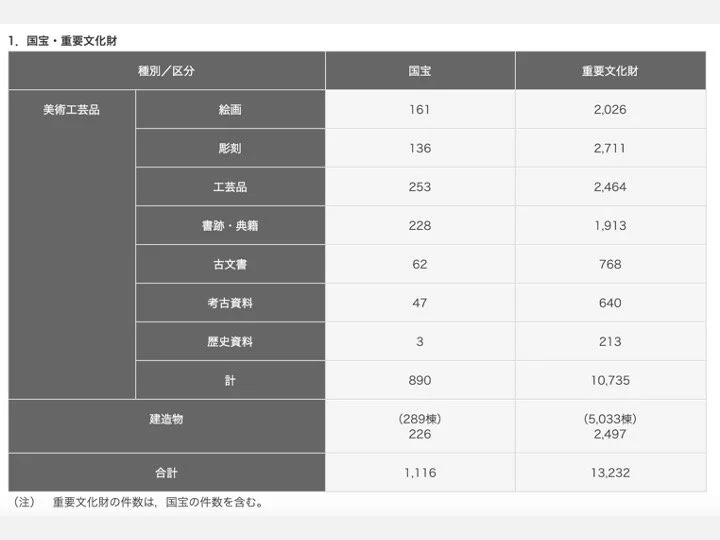
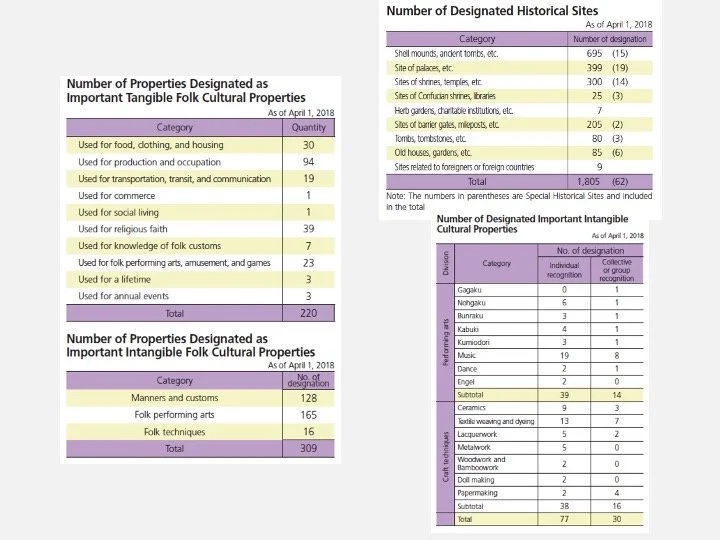
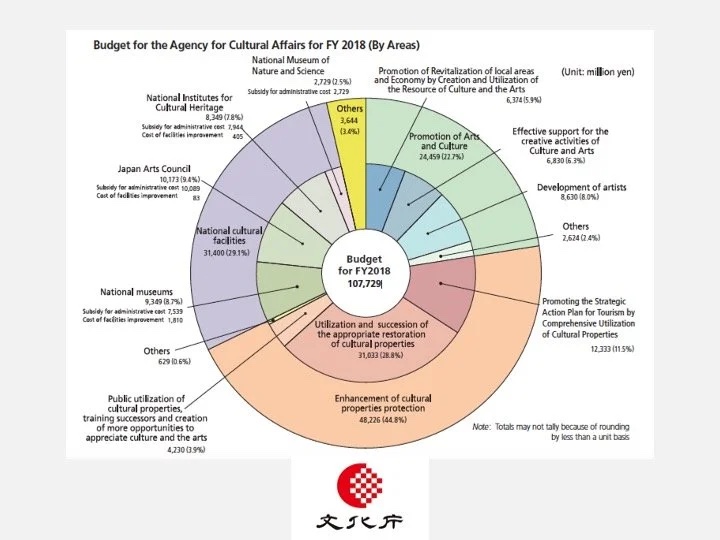
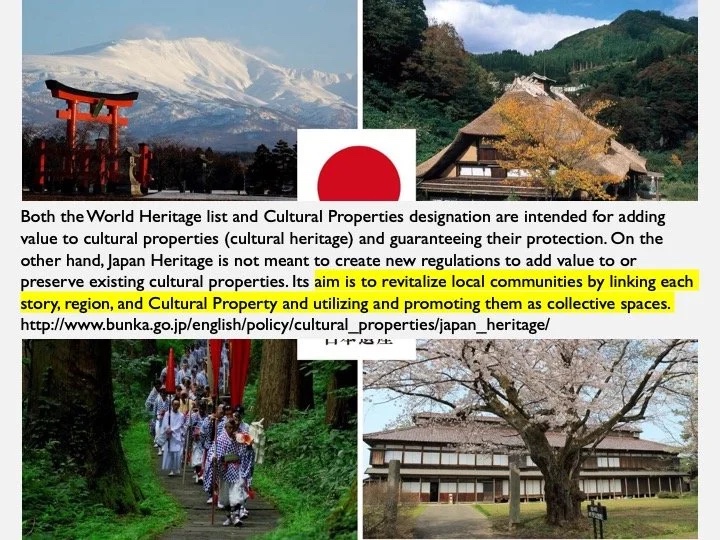
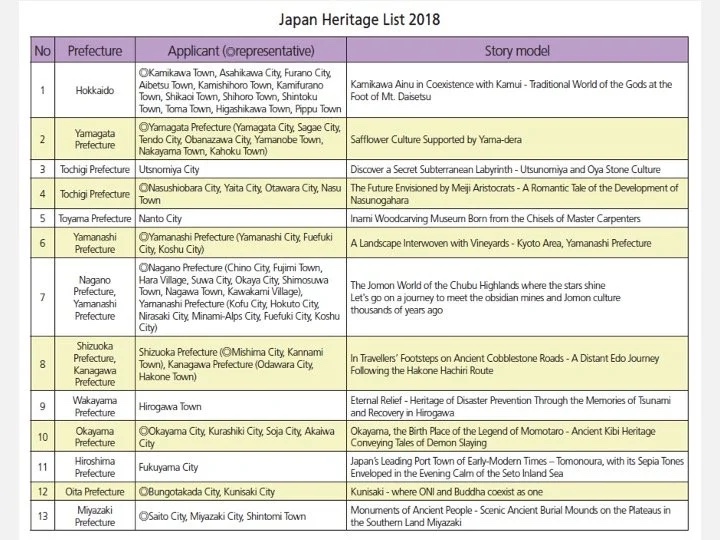
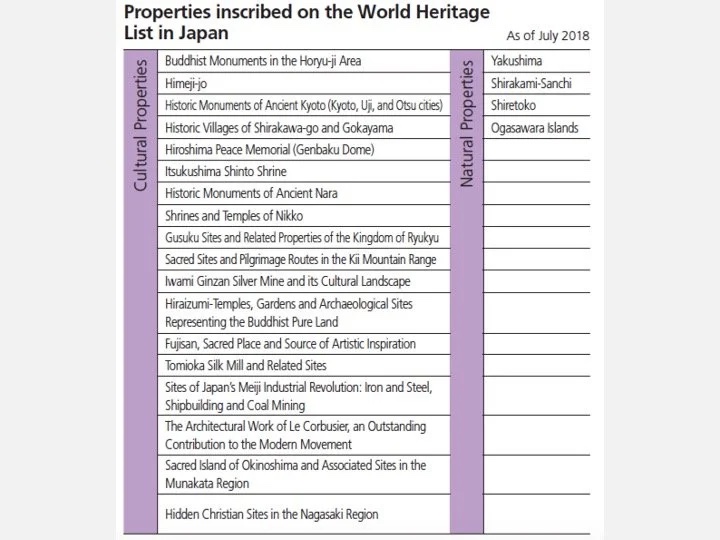
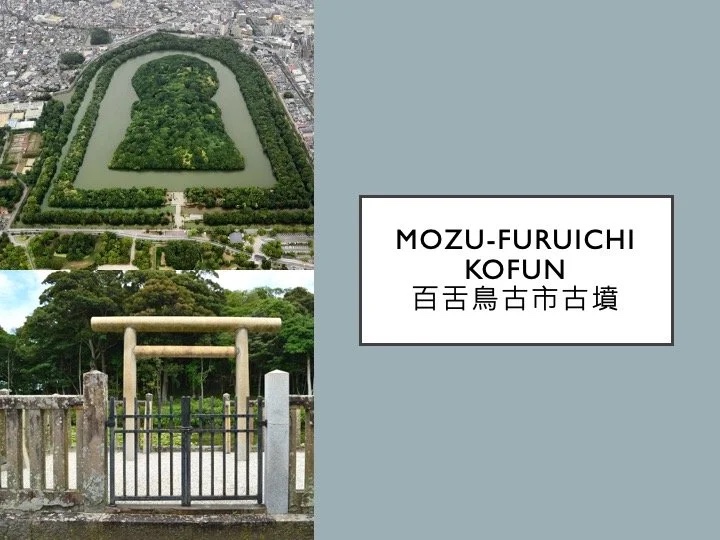
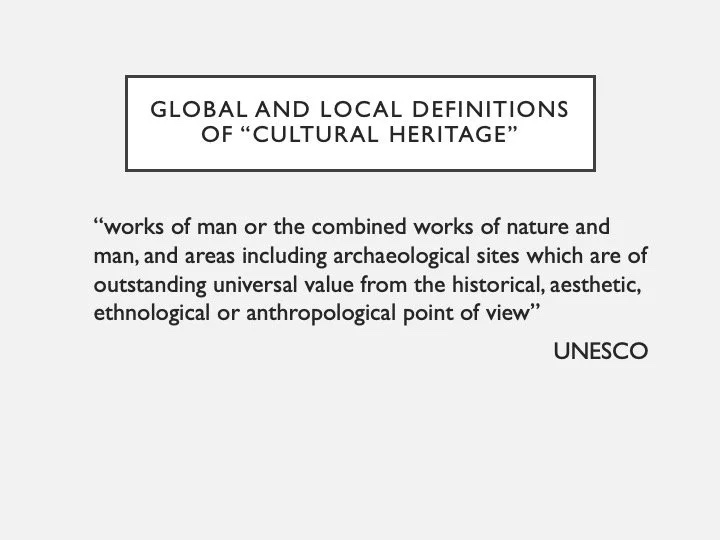
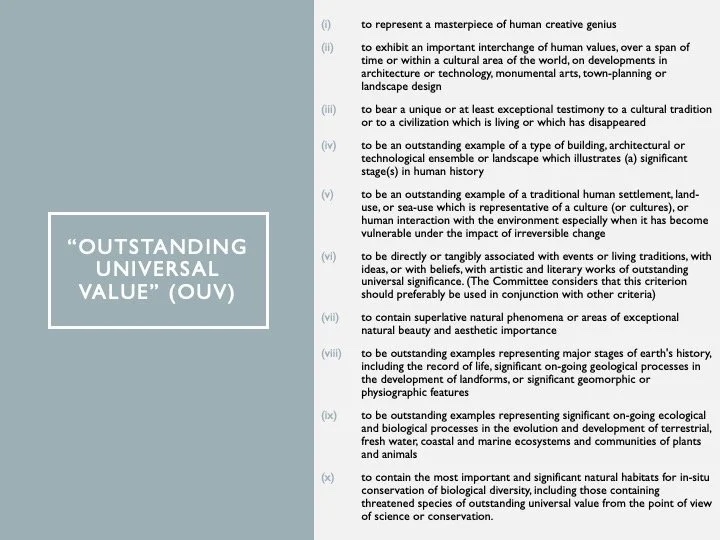
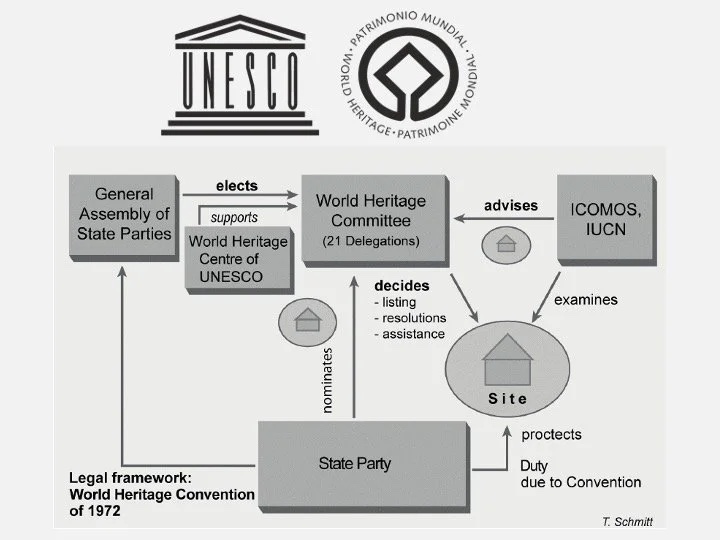
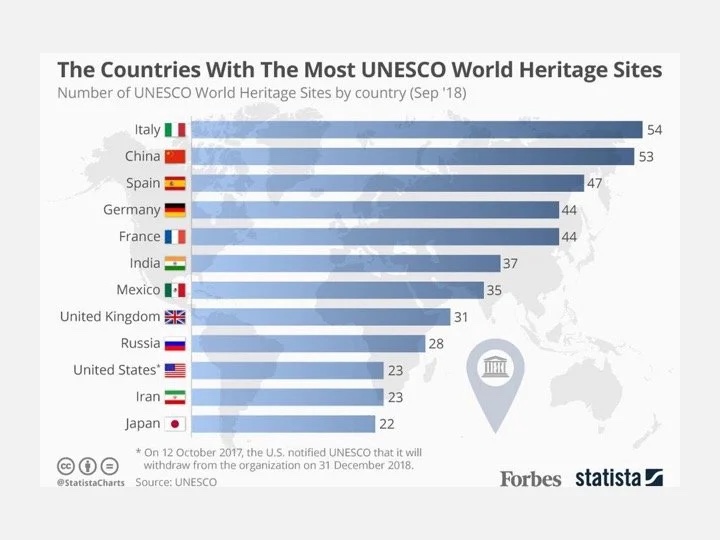
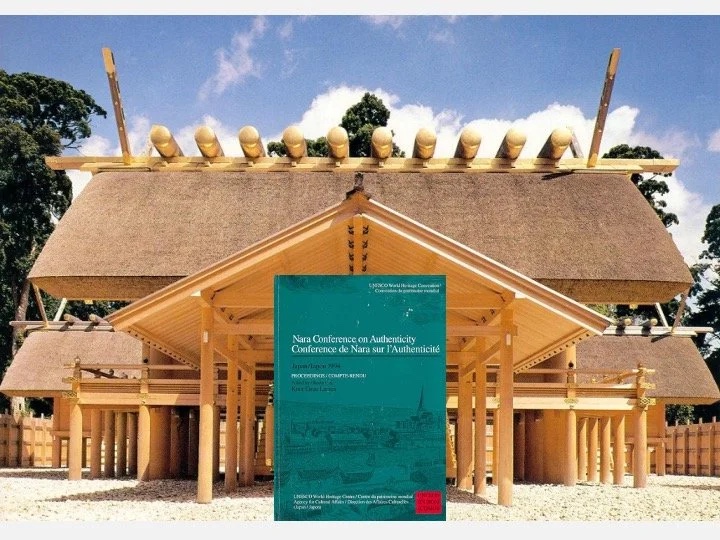
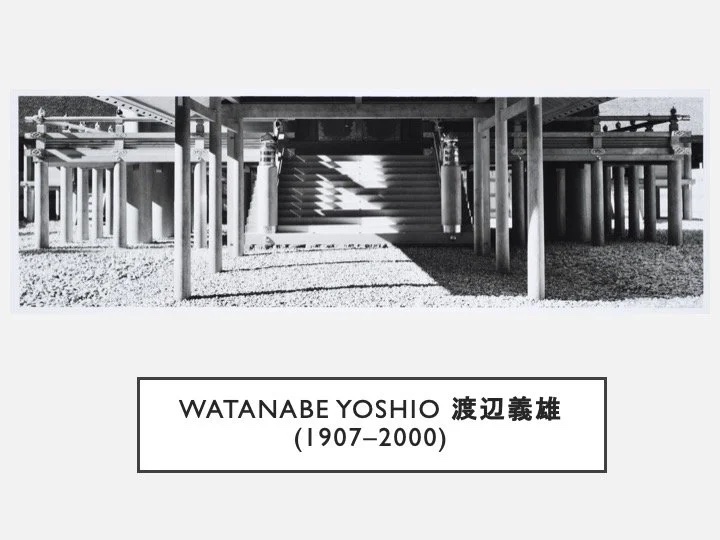
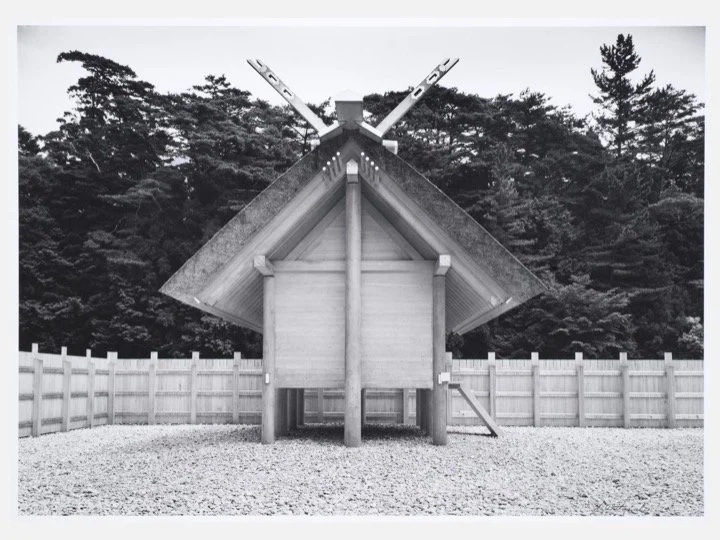
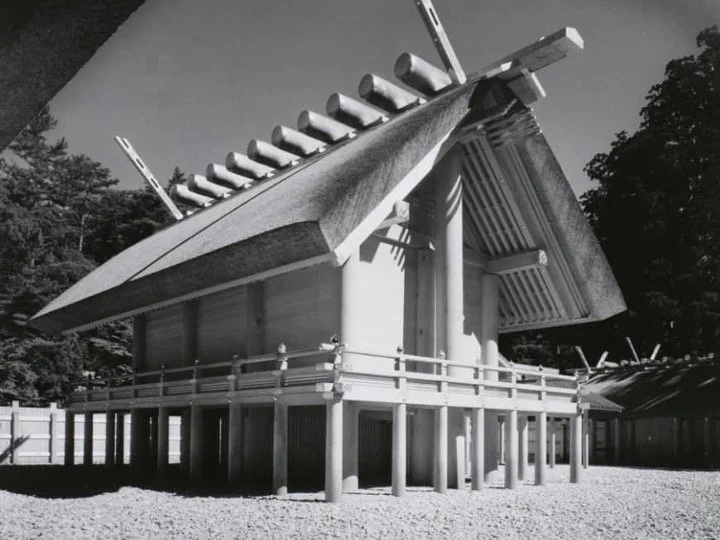
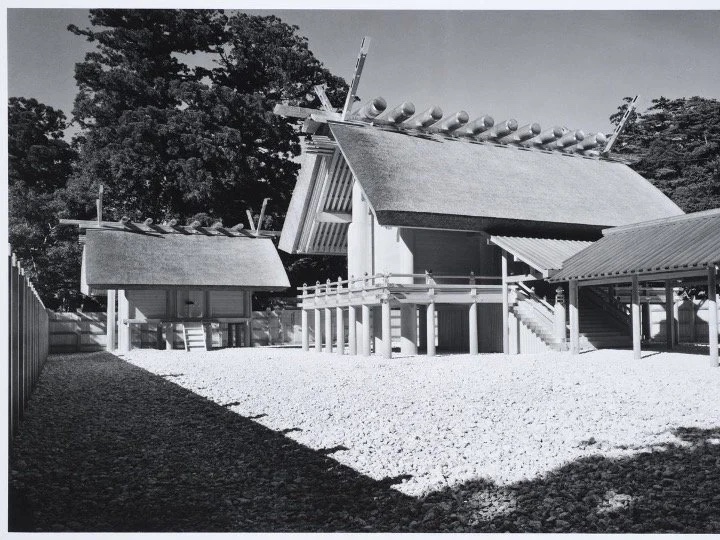
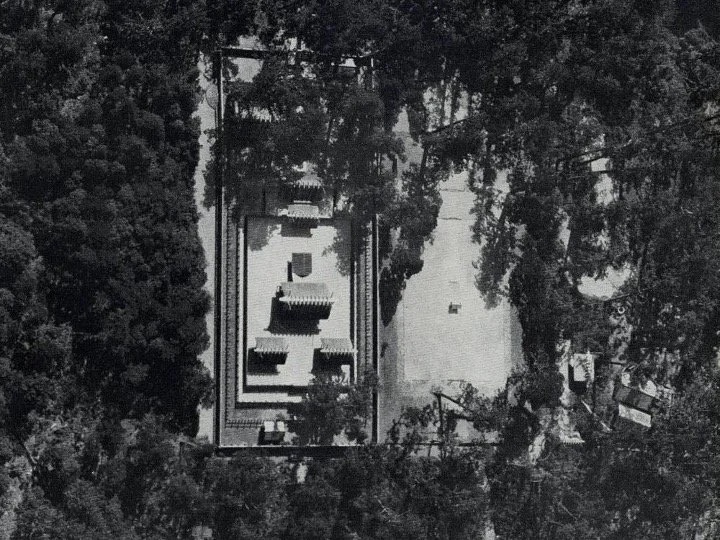
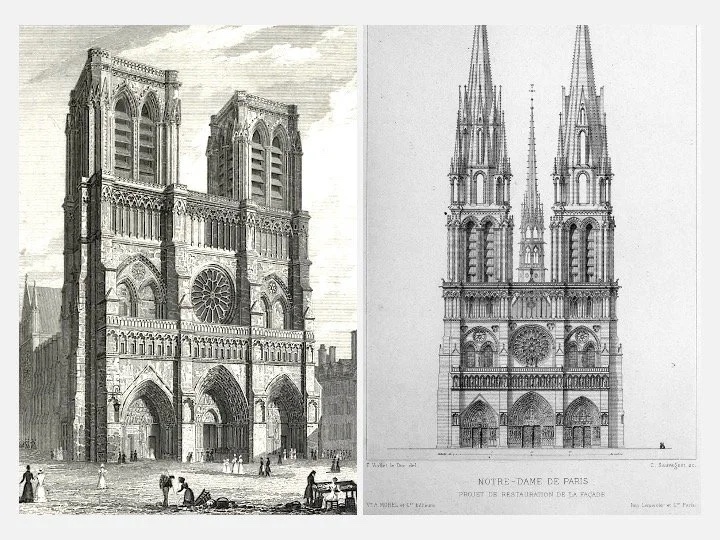
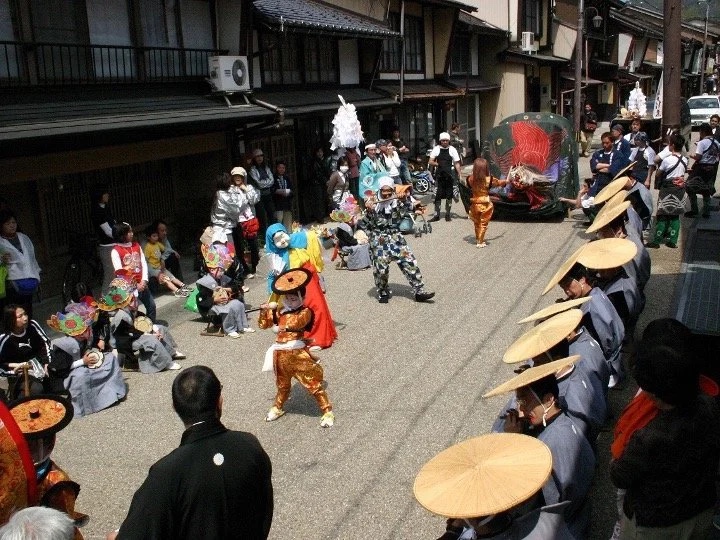
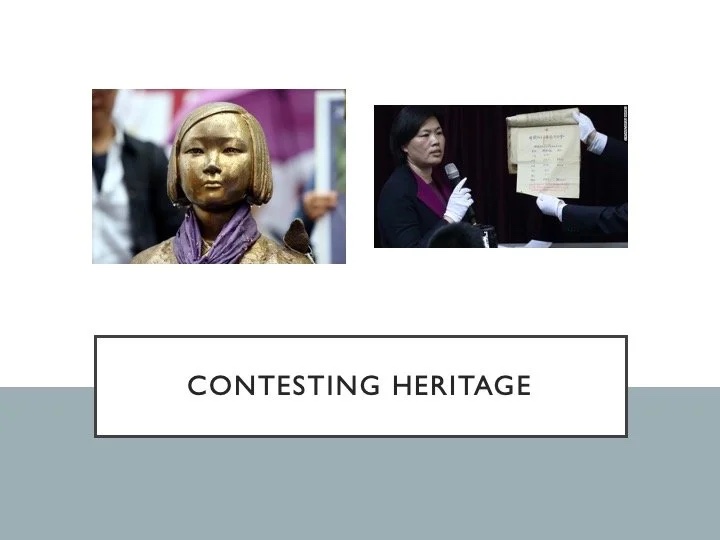
Title slide of the third class session. Slide: preservation laws timeline. Slide: global and local definitions of “cultural heritage.” Slide: chart of cultural property categories. Slide: schematic diagram of Japan’s cultural properties system. Slide: the designation process. Slide: tables of designated buildings and fine arts. Slide: designation statistics table. Slide: designated historic sites tables. Slide: Agency for Cultural Affairs budget chart. Slide: World Heritage and Japan Heritage compared. Slide: Japan Heritage list, 2018. Slide: map of World Heritage sites in Japan. Slide: properties inscribed on the World Heritage list. Slide: the Mozu-Furuichi kofun cluster. Slide: UNESCO’s definition of cultural heritage. Slide: “Outstanding Universal Value.” Slide: World Heritage designation process diagram. Slide: countries with the most UNESCO World Heritage sites. Slide: thatched shrine architecture. Slide: Watanabe Yoshio (1907–2000). Slide: Watanabe Yoshio photograph of Ise Grand Shrine. Slide: Ise Grand Shrine, photographed by Watanabe Yoshio. Slide: Ise shrine buildings in black and white. Slide: aerial photograph of Ise amid forest. Slide: Notre-Dame engravings. Slide: street festival performance. Slide: contesting heritage—comfort woman memorial statues.
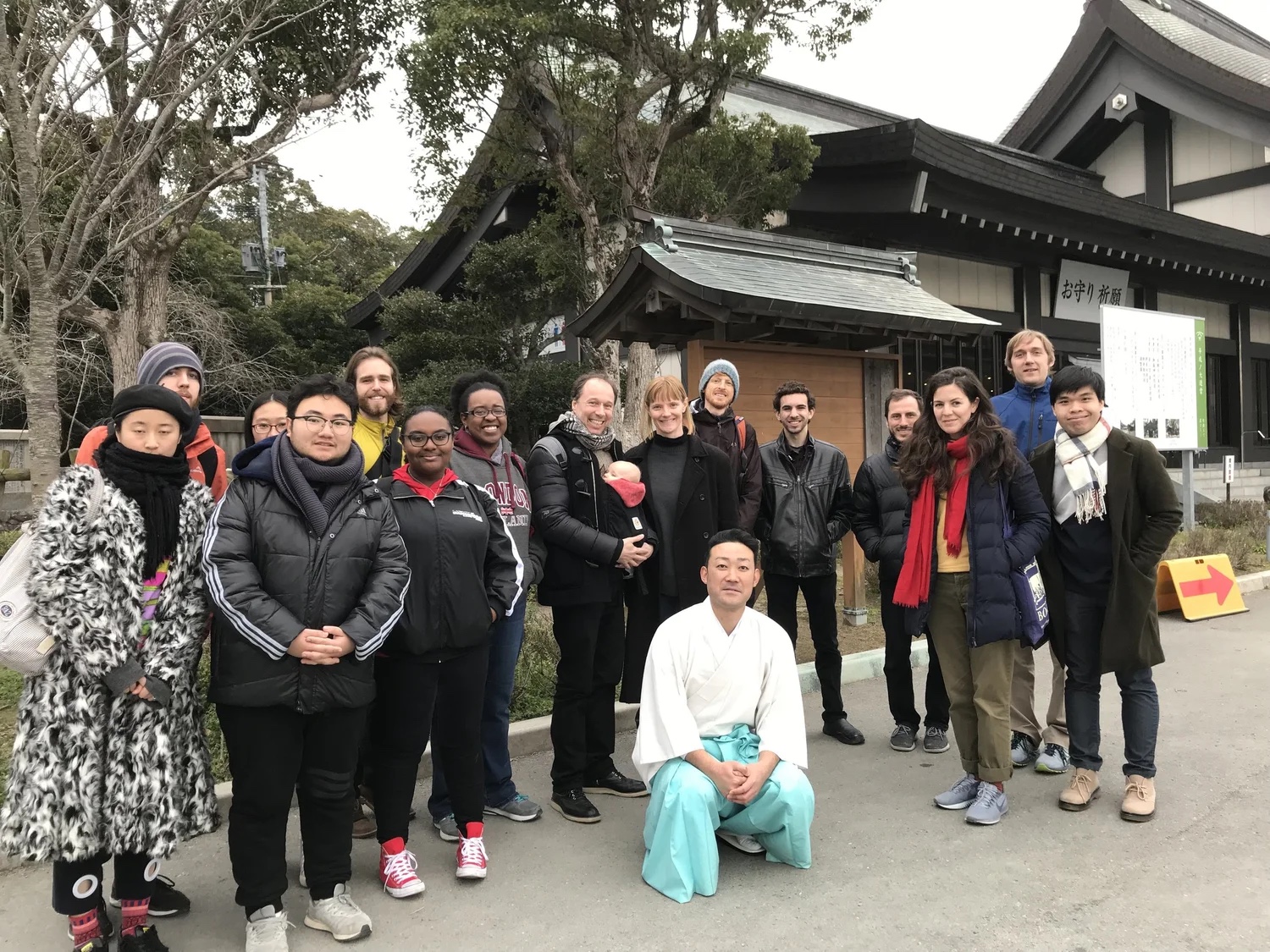
Course group photo outside a temple gate.